WASHINGTON (AP) - The Supreme Court has given the Trump administration the green light to continue with border wall construction in the Big Bend region of Texas. This decision represents a setback for bipartisan opponents, who have been vocal in their criticism of the border wall project, labeling it a waste of taxpayer money and a threat to the unique ecological landscape of the area.
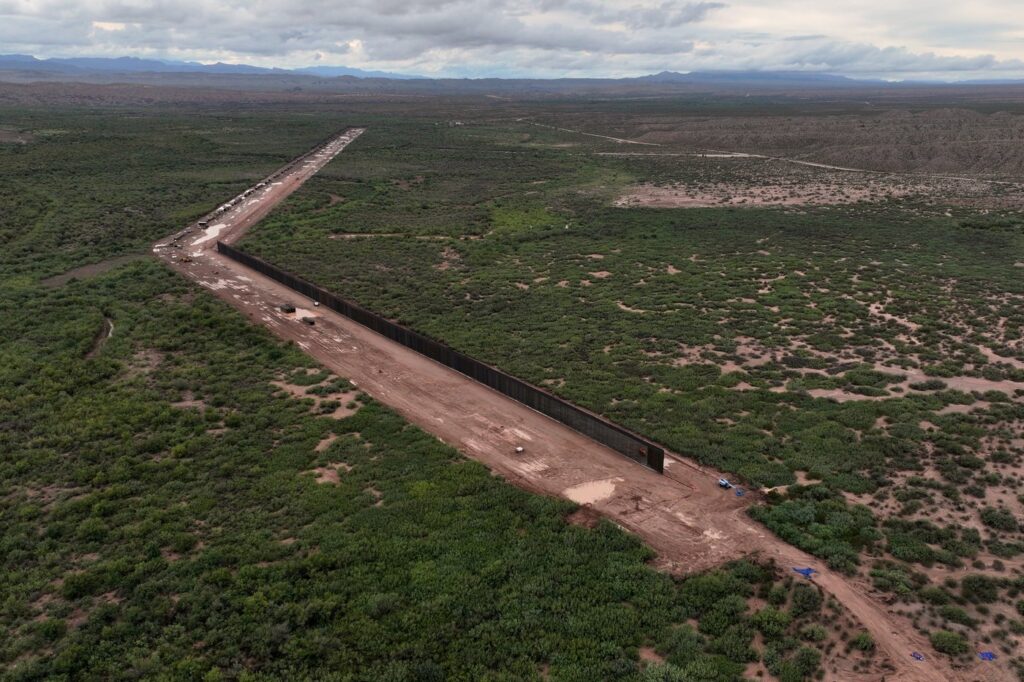
The border wall is a defining initiative of President Donald Trump, who has consistently pledged to secure the United States-Mexico border with a continuous structure stretching from the Pacific Ocean to the Gulf of Mexico. In a significant move last summer, Congress allocated $46 billion to fund the border wall project, leading Customs and Border Protection to escalate their efforts, erecting approximately 12 miles of border barriers each week across the entire southern border.
In their pursuit of rapid construction, the federal government has implemented extensive waivers aimed at bypassing environmental regulations that historically hinder large-scale projects. The Big Bend region in Texas stands out as a focal point for bipartisan opposition, where local stakeholders decry the plan to erect 30-foot-tall steel walls, vehicle barriers, and new roadways. Critics argue the project neglects the area's historically low rates of illegal immigration and threatens the local economy and way of life, suggesting that modern surveillance technologies like drones could serve as a more effective and less invasive alternative.
A Texas judge ruled in favor of the opponents, asserting that Congress had not explicitly authorized the broad waivers employed for the construction in an area known for its minimal migrant apprehensions. She issued an order to halt all construction-related activities in the region, which includes part of Big Bend National Park, as well as state and privately owned lands along the border.
In response to this ruling, the Trump administration quickly filed an emergency appeal, emphasizing the ongoing issues associated with illegal border crossings and drug seizures in the Big Bend area. Federal attorneys warned that if a gap in the wall were to exist, it could lead to an influx of traffic, exacerbating the existing challenges.
The Supreme Court ultimately sided with the government, determining that legal constraints limit judges' authority to interfere when construction of border barriers is deemed necessary by the federal government. The Court's majority decided to pause the lower court's ruling, with Justice Ketanji Brown Jackson dissenting in this decision.