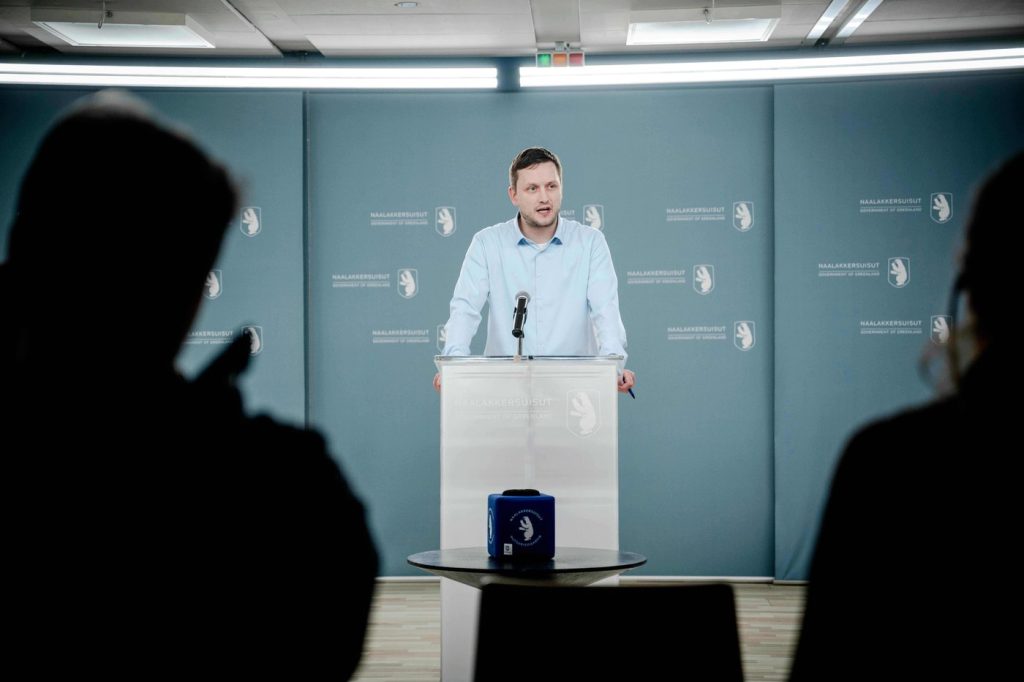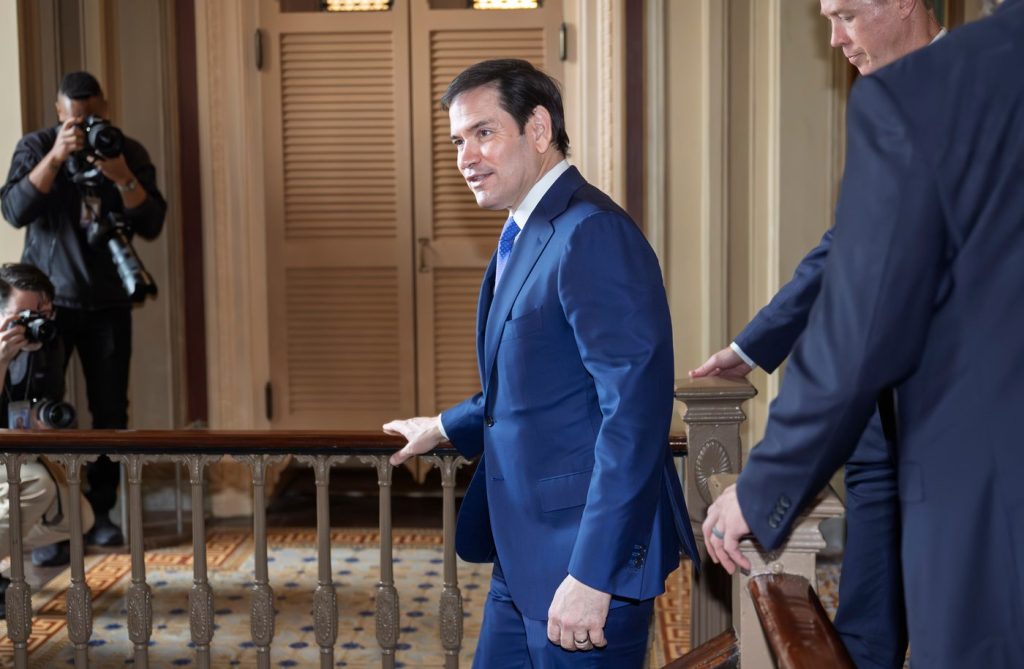
U.S. Secretary of State Marco Rubio announced plans to meet with Danish officials next week, following the Trump administration's reaffirmation of its interest in acquiring Greenland, an island that is a self-governing territory of Denmark. This move comes amidst heightened concerns about rising threats from China and Russia in the Arctic region, which President Donald Trump believes necessitates U.S. control over Greenland.
The Danish Foreign Minister, Lars Løkke Rasmussen, along with Greenland’s official, Vivian Motzfeldt, had previously requested a meeting with Rubio, which was finally granted after prior attempts were unsuccessful. During a classified briefing on Capitol Hill, Rubio conveyed the Republican administration's intention to eventually purchase Greenland, distinguishing this approach from any military action. Reports indicate that Rubio mentioned Trump's longstanding desire to acquire the island, suggesting that such discussions are not new to U.S. presidential administrations.
In a show of solidarity, leaders from France, Germany, Italy, Poland, Spain, and the United Kingdom echoed Danish Prime Minister Mette Frederiksen's sentiments, declaring that Greenland "belongs to its people." Frederiksen further warned that a U.S. acquisition would signal the end of NATO, reflecting widespread unease among European allies regarding the Trump administration's assertive rhetoric about Greenland.
Maria Martisiute, a defense analyst, pointed out that the Nordics do not issue such statements lightly and emphasized that Trump’s comments could be perceived as threatening to a NATO ally. Rubio, while attending a classified briefing with Congress, avoided elaborating on the potential military options regarding Greenland, reiterating that discussions will occur in his upcoming meeting with Danish officials. He did mention that every president has the authority to address national security risks with military force if deemed necessary.
White House press secretary Karoline Leavitt acknowledged that while military action remains an option for acquiring Greenland, diplomacy is the preferred approach. Some Republican senators recognized the strategic value of Greenland but refrained from endorsing military acquisition. Kansas Senator Roger Marshall expressed hope for a negotiated deal, while North Dakota Senator John Hoeven characterized concerns over military options as "misconstrued." Conversely, Alaska Senator Lisa Murkowski criticized the rhetoric surrounding the acquisition of Greenland, whether by purchase or force, deeming it unsettling.
Democratic Senator Jeanne Shaheen of New Hampshire and Republican Senator Thom Tillis of North Carolina, co-chairs of the bipartisan Senate NATO Observer Group, emphasized the importance of honoring treaty obligations to Denmark. They argued that suggesting coercion against a NATO ally undermines the principles of self-determination that the alliance is built upon.
Thomas Crosbie, an associate professor at the Royal Danish Defense College, argued that an American takeover would not enhance U.S. national security, asserting that the U.S. already benefits from its partnership with Denmark and Greenland. He criticized the idea of direct military takeover, suggesting it would erode global rule of law and international norms.
Denmark's parliament has allowed for U.S. military bases on Danish soil, broadening a previous military agreement made in 2023 with the Biden administration. However, Danish officials have warned that such agreements could be terminated if the U.S. attempts to annex Greenland. Currently, the U.S. Department of Defense operates the Pituffik Space Base in northwestern Greenland, where troops could be mobilized in the event of military action.
Crosbie emphasized that any attempt to claim Greenland through military means would not be necessary, suggesting that existing U.S. military presence in the region could achieve the same ends without armed conflict. He cautioned that the implications of an American annexation would go beyond military concerns, potentially altering international relations and perceptions of global authority.