Before the recent wave of anti-government protests in Iran began, Shadi Dashmiz maintained daily communication with her 70-year-old father through calls, texts, and pictures. However, she suddenly lost contact when the Iranian government disabled internet service and blocked international landline calls, severing her connection to him.
For nearly a week, Dashmiz was left in the dark about her father's circumstances until Tuesday morning when some individuals in Iran found ways to make international calls. Her father managed to reach out, allowing them to reconnect after a long absence. "I felt both happiness and sadness at the same time," Dashmiz expressed following their conversation. "Happiness because, you know, I heard their voices after so long, and sadness because I didn’t think that he or I deserved to be waiting for this long just for a simple phone call in the 21st century."
Dashmiz's concerns extend beyond her father; her mother, a Canadian permanent resident, was planning to visit Iran. This has led Dashmiz to contemplate the potential risks involved. "That’s another terrifying thing that I’m just thinking about every single day… Should I let her go back? And what will happen if she’s there? I’m going to lose contact again with her, just like with my father," she said.
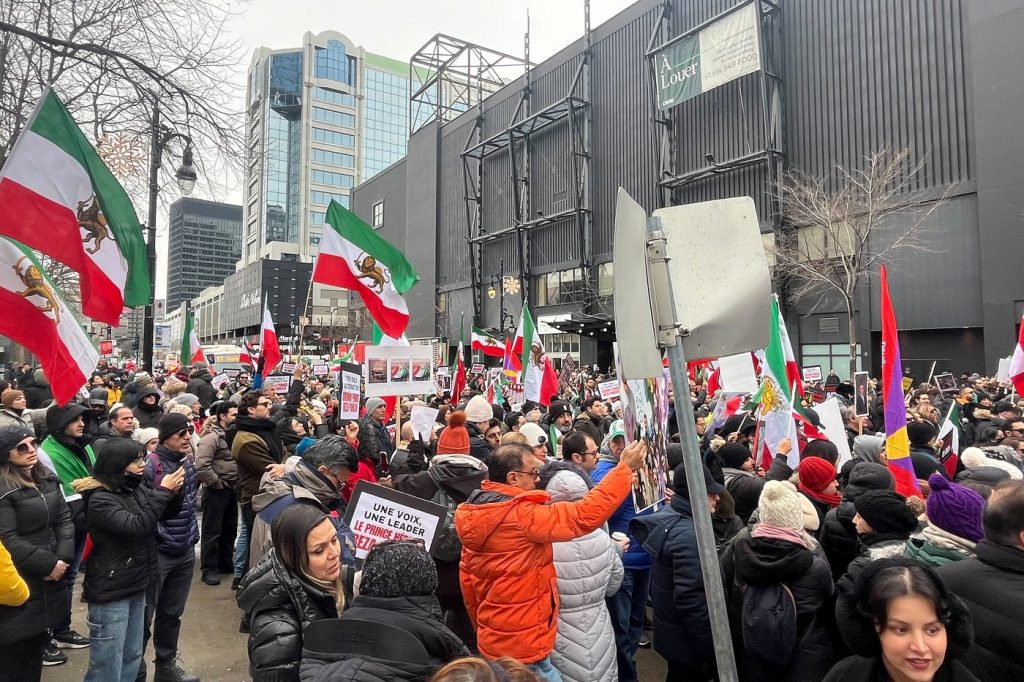
The protests, which began over two weeks ago as a reaction to surging living costs, have escalated across the country despite a severe and violent government crackdown. Canada has publicly condemned Iran for the treatment of its citizens during the protests and commended the bravery of the demonstrators.
While Iran reportedly eased some communication restrictions on Tuesday, not all families have been fortunate enough to reconnect. Aitak Sorahi, who hasn’t heard from her family in a week, is still waiting for the opportunity to speak with her father. Although her sister-in-law received a call from Iran confirming that their family is safe, Sorahi remains anxious about the wellbeing of her relatives. Living in York Region north of Toronto, she is relying on "medication, talking with friends, sharing the pain, sharing whatever we have heard" to cope with the uncertainty.
Foad Farhani, another Iranian Canadian residing in Toronto, has also been unable to contact his elderly parents. He suspects that the Iranian government is temporarily opening international lines to monitor communications before reapplying restrictions based on what is being discussed. "Depending on what they see, they would open up for the rest of the population or actually shut it down again," he explained.
Farhani shared that a co-worker managed to contact her sister in Iran, and he provided her with his parents’ contact information to facilitate communication. The Iranian government claims that internet access was cut to prevent protesters from receiving commands from abroad, a statement that Farhani contests. "I think the main intention of shutting down the internet is just to not allow people to organize and also to actually understand what is really happening," he asserted. "So, they are sitting at home, they don’t have any access to any social media; they only have news on the television which is broadcast by the government, so they think that everything is good."