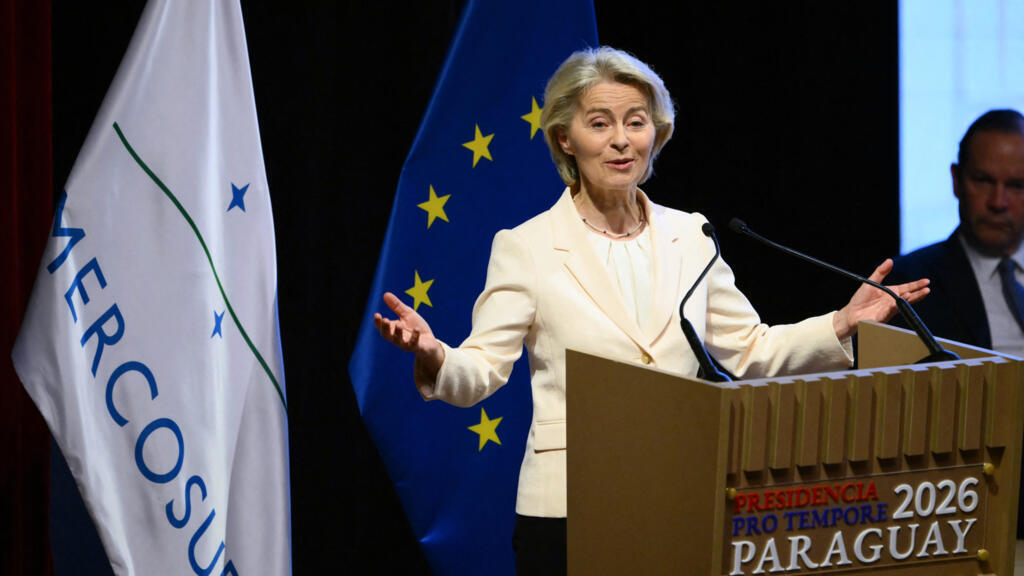
The European Union (EU) and the Mercosur bloc, which includes key South American countries, have reached a landmark agreement by signing a free trade deal on Saturday. This monumental deal marks the culmination of a lengthy negotiation process that has spanned over a quarter of a century. The trade agreement is set to create one of the world's largest free-trade areas, connecting over 770 million consumers across both regions and promoting economic cooperation.
Despite the potential benefits of the agreement, opposition from certain EU member states persists. Notably, France has voiced strong concerns regarding the impact of the trade deal on its agricultural sector. The country’s influential agricultural lobby fears that the influx of South American agricultural products could undermine local farmers' livelihoods. This opposition highlights the ongoing tensions within the EU regarding trade policies that may favor global markets over local agricultural interests.
The deal includes various provisions aimed at reducing tariffs and facilitating trade between the EU and Mercosur countries, which comprise Argentina, Brazil, Paraguay, and Uruguay. By cutting tariffs and simplifying customs procedures, the agreement is expected to enhance trade in goods and services, bolster investment, and create significant economic opportunities for both regions.
Furthermore, environmental standards and sustainable development are critical components of the agreement. The EU has insisted on high environmental standards, emphasizing the importance of responsible and sustainable agricultural practices. This aspect of the agreement aims to address concerns related to deforestation and climate change, particularly in the Amazon rainforest, which has become a focal point of environmental protection efforts globally.
However, the future implementation of the trade deal remains uncertain as domestic pressures continue to mount. French President Emmanuel Macron has reiterated his commitment to protecting French farmers, indicating a possibility of continued resistance to the agreement within the French government. Other EU member states may also join the opposition, further complicating the ratification process.
The implications of this trade deal extend beyond economic benefits. It also represents a strategic political alliance between Europe and South America, potentially reshaping the balance of power in global trade. The EU seeks to strengthen ties with Mercosur countries amidst increasing competition from other major economies, notably China and the United States.
As the agricultural lobby ramps up its campaign against the trade deal, it underscores the challenges of achieving a consensus within the EU. Farmers worry that lower-priced imports from South America could undercut local prices, leading to reduced sales and diminished profitability. This sentiment reflects broader concerns about globalization and its impact on local economies, particularly in sensitive sectors like agriculture.
Moreover, the debate surrounding this trade agreement raises questions about the effectiveness of the EU’s Common Agricultural Policy (CAP) in protecting local agricultural interests while pursuing free trade. The negotiation process raises critical issues about how the EU can balance the goals of trade expansion with the need to maintain robust protections for its farmers.
In conclusion, the signing of the EU-Mercosur free trade deal is a significant milestone after decades of negotiations, yet it also highlights the complexities of international trade relations. The opposition from France and potential challenges from other member states could hinder the agreement's ratification and full implementation. As discussions continue, both regions will need to navigate the intricate dynamics of economics, politics, and environmental stewardship to realize the potential benefits of this landmark agreement.