Portugal's Upcoming Presidential Election: A Test for the Far Right
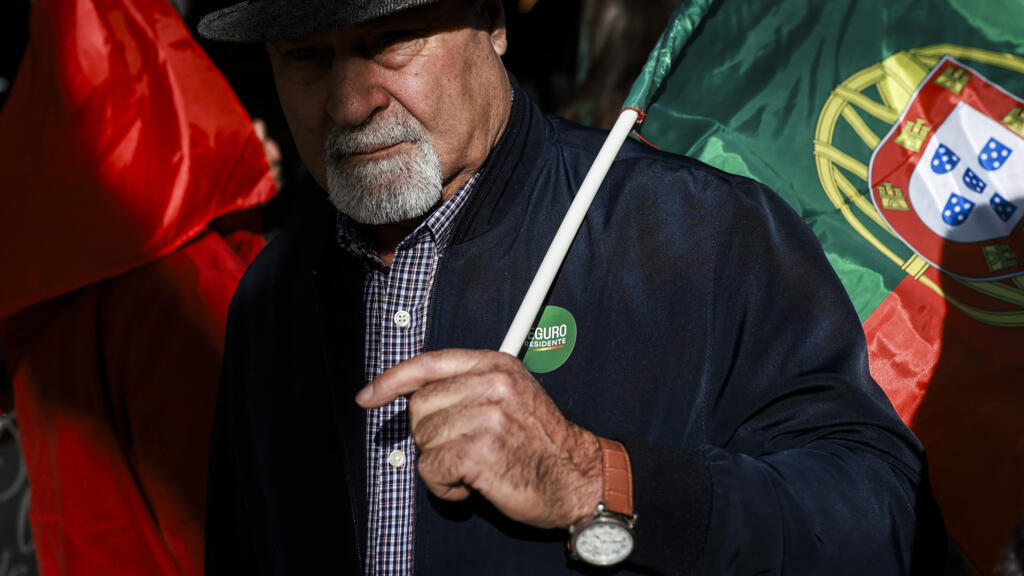
On Sunday, Portuguese voters are set to participate in a significant presidential election, which has garnered much attention due to the rising influence of the far-right party, Chega. The party's leader, André Ventura, is poised to potentially secure a place in the run-off ballot for the first time. This pivotal moment in Portuguese politics comes as the country navigates shifting political landscapes and an increasingly polarized electorate.
Recent opinion polls indicate that Ventura may be leading the pack in the first round of voting. His ascent reflects a broader trend in Europe, where far-right parties have gained traction in recent years, capitalizing on economic discontent, immigration issues, and public safety concerns. Ventura's Chega party has made headlines for its controversial stances and rhetoric, appealing to a segment of voters seeking alternatives to traditional political parties, which they view as ineffective or out of touch with the realities facing the nation.
Despite the promising polling numbers for Ventura, experts predict that should he advance to the run-off scheduled for February, he would likely face formidable opposition. Analysts suggest that Ventura would struggle against any of the other major candidates, which could include representatives from Portugal's mainstream political parties. This perceived vulnerability highlights the complexities of the electoral landscape in Portugal, where political allegiances are being tested, and voter sentiment may shift rapidly in response to campaign dynamics.
The election is more than just a contest for the presidency; it poses critical questions about the direction of Portugal's political future. The far-right's potential involvement in the final stages of the electoral process is emblematic of a broader European trend, where populism and nationalist ideologies are increasingly taking hold in national discourses. For many voters, the choice comes down to concerns about national identity, economic stability, and the management of social issues such as immigration and public safety.
As Portugal approaches this election, the stakes are high for both Ventura and the broader political spectrum. The outcome could signal a new era of far-right influence in a country that has historically embraced more centrist or left-leaning policies. Furthermore, this election serves as a litmus test not only for the Portuguese electorate but also for the continent, as other nations observe how far-right parties navigate the complexities of mainstream politics.
In conclusion, the presidential election in Portugal on Sunday stands as a pivotal moment in the nation's political history. The potential for André Ventura to secure a spot in the run-off could change the dialogue around far-right politics in the country. As voters head to the polls, they will be casting their votes in a context that is reflective of deeper societal changes and the ongoing debate about national values, governance, and the future direction of Portugal.