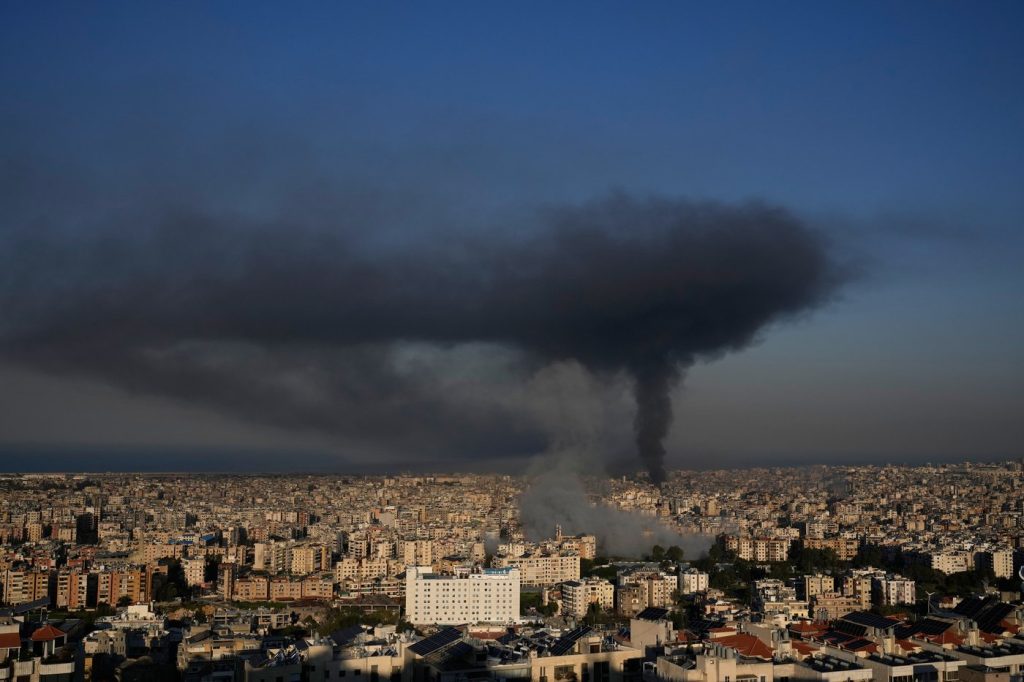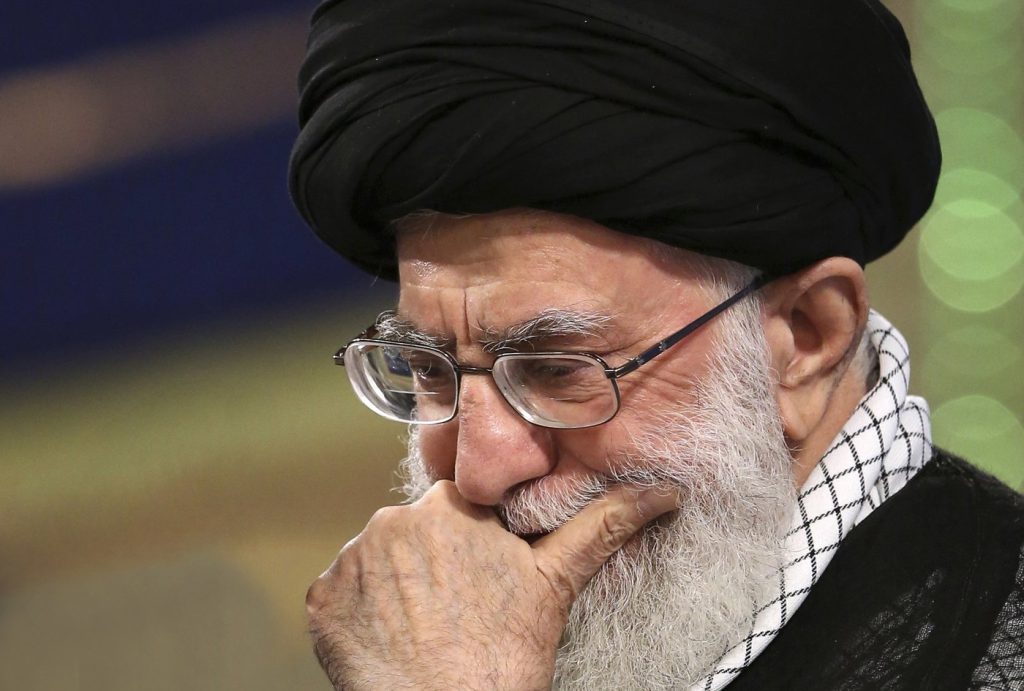
The recent airstrikes conducted by the United States and Israel in the Middle East have dramatically escalated tensions, particularly following the assassination of Iran's Supreme Leader Ayatollah Ali Khamenei. The implications of this event are profound, as discussions around a post-Khamenei Iran have ignited a mixture of hope and skepticism among millions of citizens and political observers. This precarious situation, however, indicates that a complete overhaul of the Iranian regime may be further off than U.S. President Donald Trump has suggested.
In a recent episode of The Big Story podcast, host Caryn Ceolin welcomed two experts to delve deep into the multifaceted ramifications of this crisis. Thomas Juneau, a professor at the University of Ottawa's Graduate School of Public and International Affairs, brought his expertise to explore the political implications of Khamenei's death. Meanwhile, Nader Hashemi, an associate professor specializing in Middle East and Islamic politics at Georgetown University, offered insights into the regional and global reactions to the airstrikes and their potential fallout.
The global community's response to the U.S.-Israel military action has been mixed. Many countries expressed outrage over the assassination of Khamenei, viewing it as an act of aggression that could destabilize the already volatile region. Some nations have voiced their concern over the potential for escalated military conflict, fearing it could lead to widespread chaos not only in Iran but across neighboring states as well.
Additionally, Canada has notably supported Trump's military action, which has raised eyebrows among scholars and political commentators. The endorsement showcases Canada’s alignment with U.S. foreign policy, but it also invites scrutiny on the moral implications of such a stance given the potential for human suffering and increased sectarian violence in the aftermath of Khamenei's death.
The discussion then turned to the internal dynamics within Iran and the challenges the country faces as it navigates its political future without Khamenei. The leadership vacuum left by his assassination could lead to a power struggle among various factions within the Iranian government, as different groups vie for control and influence. This internal discord may hinder any immediate transition towards a more liberal or reformist regime, despite the aspirations of many Iranians for change.
Moreover, the panelists analyzed the possibility of public dissent in Iran following these developments. The citizens’ reaction remains unpredictable; while some may see this as an opportunity to push for reform, others may react with increased loyalty to the regime out of fear of further destabilization or foreign intervention.
Overall, the situation surrounding Khamenei's assassination and the U.S.-Israel airstrikes illustrates a complex interplay of regional politics, international relations, and internal Iranian dynamics. As the world watches closely, the future of Iran hangs in a delicate balance, marked by uncertainty and potential strife.
In summary, the topic leads to broader discussions about foreign intervention, the nature of U.S. alliances, and the implications for Middle Eastern geopolitics as the region stands on the precipice of significant change.
You can subscribe to The Big Story podcast on Apple Podcasts and Spotify.