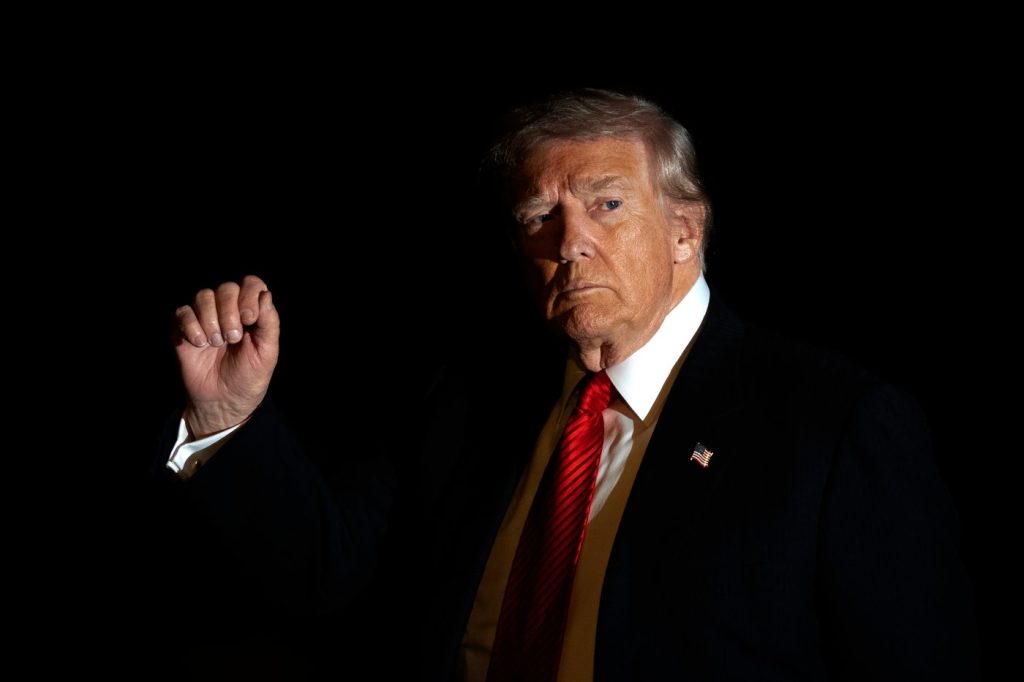
In the tumultuous early months of President Donald Trump's second term, he engaged in a series of controversial actions that challenged political norms and institutional checks and balances. From attempts to topple foreign leaders to proposing ambitious domestic initiatives, Trump's first year back in office has been marked by a blend of the absurd and the audacious.
Trump's assertions that he has fulfilled many of his promises have become a focal point of his speeches. However, while some of his once far-fetched ideas have gained traction, there remain significant policy initiatives that have either evolved, stagnated, or faded into obscurity.
Among the notable projects underway is the adaptation of a Boeing 747 gifted by Qatar, to be used as a new Air Force One. While the retrofitting process expected to cost around $400 million could take until after his presidency concludes in January 2029, Trump previously claimed the modifications would be completed in just six months.
Another ambitious initiative includes Trump's continued fixation on annexing Greenland. Following the U.S. military's ousting of Venezuelan President Nicolás Maduro, Trump reiterated his desire to take control over the Danish territory, suggesting that the U.S. would "have" Greenland "one way or another." Denmark, remaining steadfast, asserts that it will not entertain such a proposition, acknowledged the potential geopolitical ramifications.
Trump's endeavors within the U.S. have not all gone according to plan. His push for 50-year home mortgages aimed at addressing housing affordability has not gained substantial support, and despite pledges to ease mortgage rates through government bond purchases, real progress remains elusive. Similarly, his desire to extend presidential tenure beyond two terms has sparked debate, as constitutional limits remain firmly in place.
Items that have since receded from Trump's agenda include the idea of integrating Canada as the "51st state," which Canadian Prime Minister Mark Carney dismissed as unrealistic. Additionally, proposals to send migrants to Guantanamo Bay have dwindled, as logistical and legal challenges surfaced, prohibiting swift action on such plans.
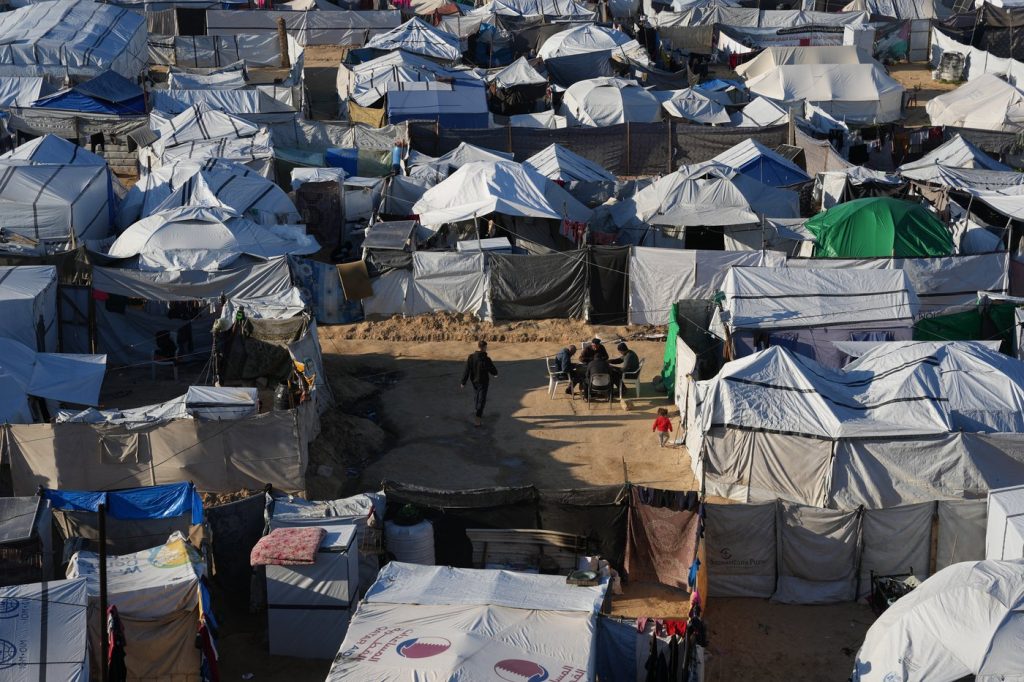
On lighter notes, Trump has entertained the idea of transforming the Gaza Strip into a resort destination, a notion that has since lost momentum amidst broader geopolitical complexities. His dreams of providing Americans with direct cash distributions from tariff revenues have also been countered by sector realities limiting what could be achieved with such revenue streams.
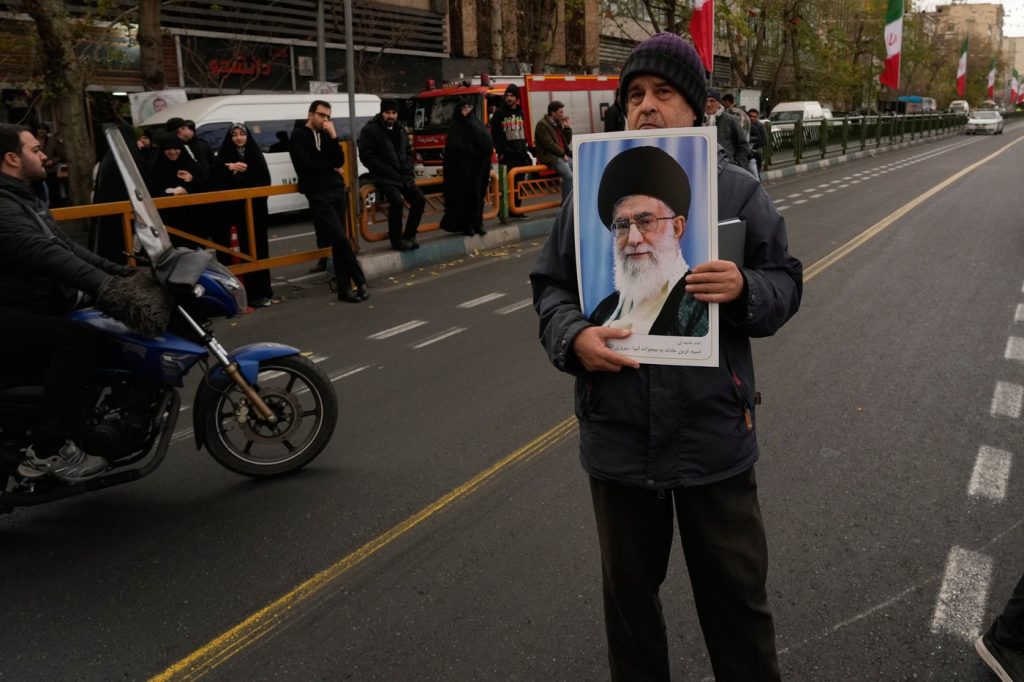
Amidst ongoing speculations regarding military actions in Colombia and Iran, Trump's rhetoric intensified regarding U.S. intervention. Following the fallout from Venezuela’s political changes, he suggested that both Colombia and Mexico may require U.S. oversight to combat drug-related issues. His stance on Iran also fluctuated, reflecting the broader context of escalating protests and related violence in the country.
In domestic matters, Trump has focused on various institutional changes, including a notable executive order aiming to rename the Department of Defense as the Department of War. In a bid to cement his legacy, he has also sought to attach his name to prestigious venues such as the Kennedy Center and is pushing ahead with the construction of a massive ballroom to be housed within the White House grounds.
Other advancements include the launch of a "gold card" visa initiative aimed at attracting foreign investment, reflecting his longstanding goal of reforming immigration policies to benefit American interests directly. However, concerns around his governance style and controversial ethos have drawn polarized opinions.
Trump's ambitions for a "Golden Dome" missile defense system propose a historical shift in U.S. military capabilities, although the likelihood of full realization by 2029 remains doubtful. As the political landscape continues to evolve, Trump's second term appears as much characterized by ambitious initiatives as by contentious debates surrounding his often unconventional policy decisions.
Through this multifaceted lens, Trump is attempting to redefine not just his presidency, but the very fabric of U.S. governance, setting the stage for a contentious political journey ahead.