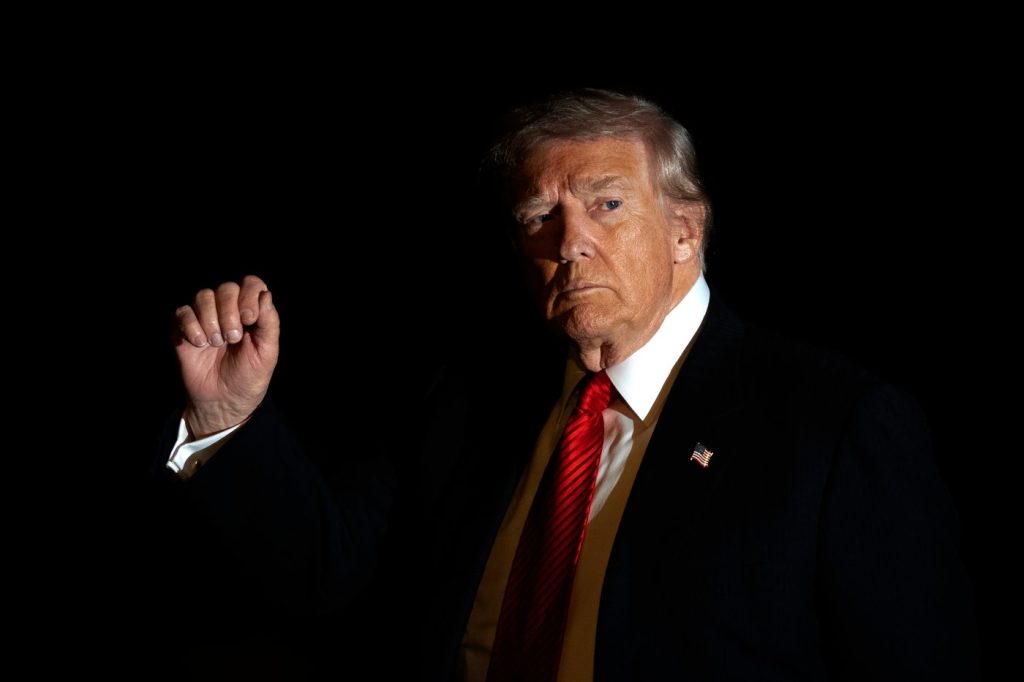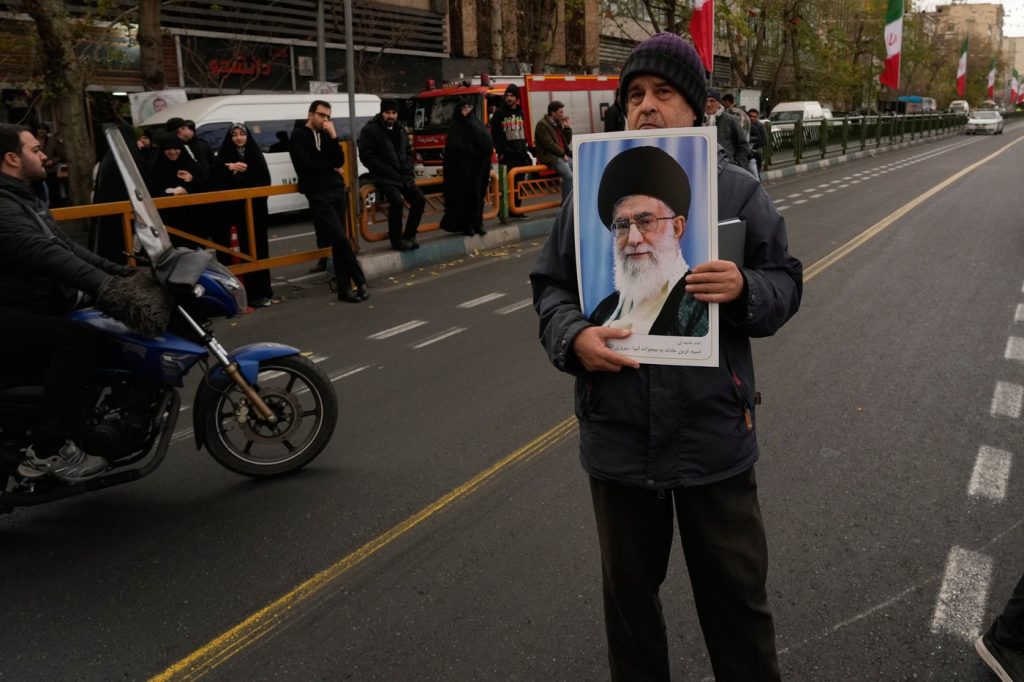
DUBAI, United Arab Emirates (AP) – Iran’s Supreme Leader Ayatollah Ali Khamenei criticized U.S. President Donald Trump on Saturday, labeling him a "criminal" for backing protesters in Iran. He placed blame on the demonstrators themselves for causing "several thousand" deaths during the wave of protests that erupted on December 28, which led to a severe government crackdown.
In a televised address, Khamenei provided the first official acknowledgment of the casualties resulting from the protests, emphasizing the scale of the unrest. He accused Trump of supporting what he termed "seditious people," and he reiterated long-standing claims that the U.S. aims to dominate Iran's economic and political resources.
Khamenei described the protesters as "foot soldiers" of the United States, asserting that they were responsible for the destruction of religious sites and educational institutions, stating, "Through hurting people, they killed several thousand of them." In response to Khamenei's claims, Trump labeled the Iranian leader as a "sick man" and called for new leadership in Iran, criticizing Khamenei's governance and the current living conditions in the country.
Trump's comments came shortly after he had shifted tone by praising Iran for canceling the execution of over 800 people, though he did not clarify the details of this cancellation or the source of his information. This conciliatory remark suggested a potential move away from a previously aggressive stance regarding military action against Iran.
Tehran's Prosecutor General, Ali Salehi, dismissed Trump's statements as "futile and irrelevant," asserting that Iran's approach to dealing with unrest is severe and preventive. As tensions persisted, Trump had previously communicated to Iranian protesters that "help is on the way" and threatened to respond if violence against demonstrators continued.
Khamenei also alleged that the rioters were armed with live ammunition imported from other nations, asserting that Iran would not resort to war but would not abandon the pursuit of justice against both domestic and international offenders.
Following the intense protests and subsequent government repression, Iran experienced a period of uneasy calm. The protests, initially sparked by economic concerns, resulted in at least 3,308 deaths according to human rights advocates, marking the deadliest civil unrest in Iran in decades. The Iranian government has consistently blamed the U.S. and Israel for instigating these protests, a sentiment echoed by President Masoud Pezeshkian in conversations with Russian President Vladimir Putin.
Amidst the unrest, a temporary restoration of limited internet access was reported, following a blackout instituted by authorities on January 8. Text messaging and restricted internet services resumed in some areas, possibly in anticipation of the Iranian working week, as businesses have struggled with transaction capabilities due to the outage.
Despite a call for further protests from exiled Crown Prince Reza Pahlavi, who seeks to position himself as a leading figure in any future transition of power in Iran, no substantial demonstrations had materialized by Saturday afternoon. Pahlavi’s appeal remains limited within Iran, where he faces significant challenges in garnering popular support.