Albin Kurti Re-Elected as Prime Minister of Kosovo
The political landscape in Kosovo witnessed significant changes on Wednesday, as the parliament elected Albin Kurti to serve as the Prime Minister for the third time. Kurti's election marked the conclusion of a prolonged political stalemate that had persisted for over a year, further solidifying his position within the nation's political framework.
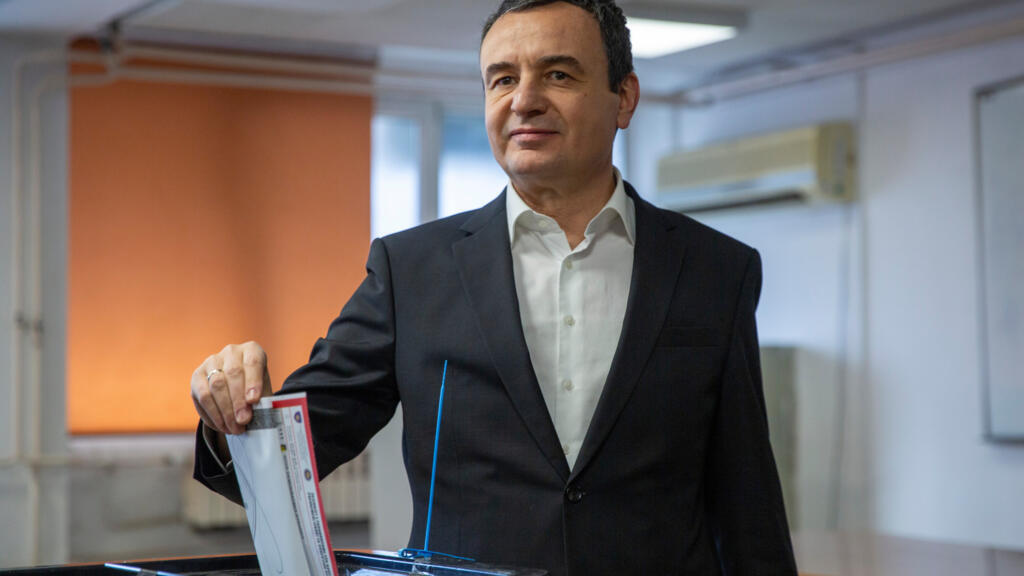
During the parliamentary session, Kurti secured 66 votes in the 120-seat assembly, a decisive win that was met with enthusiastic applause from his supporters present in the chamber. His party, Vetevendosje, had emerged victorious in a snap election held in December, which paved the way for this election and bolstered his mandate to lead the government once again.
Kurti's political journey has been marked by his commitment to progressive reforms and a strong nationalistic stance. His previous terms have seen him focus on various critical issues pertaining to economic development, governance, and regional stability. The election on Wednesday not only reinstated his leadership but also reflected the citizens' trust in his vision for Kosovo's future.
The context of Kurti's return to power is essential for understanding the current political climate in Kosovo. The country has experienced significant upheavals in recent years, grappling with internal divisions and challenges in its governance. His party's success in the December elections indicated a clear desire among the population for leadership that prioritizes sovereignty and pragmatic solutions to longstanding issues.
In his inaugural speech as the Prime Minister, Kurti emphasized the importance of uniting the nation and working towards common goals that would benefit all citizens. He addressed various pressing matters, including economic recovery, foreign investments, and the quest for international recognition, which remains a pivotal topic in Kosovo's political discourse.
Moreover, Kurti's government is expected to continue addressing the relationship with Serbia, which has been a contentious issue since Kosovo declared independence in 2008. The Serbian government has yet to recognize Kosovo's sovereignty, and the dialogue between the two nations remains a critical factor in determining regional stability. Kurti has pledged to pursue constructive dialogue while standing firm on Kosovo's independence and territorial integrity.
Looking ahead, the challenges that lie before Kurti and his administration are multifaceted. The economic impacts of the COVID-19 pandemic, high unemployment rates, and corruption allegations are just a few of the pressing issues that demand immediate attention. His re-election signifies an opportunity to implement bold reforms and promote transparency within the government.
As Kurti embarks on this new term, observers will be keen to see how he navigates the complexities of both domestic and international politics. His leadership will undoubtedly be scrutinized as he attempts to forge a path that aligns with the hopes and aspirations of the Kosovo people while also addressing the realities of regional relations and international diplomacy.
In conclusion, Albin Kurti's election as the Prime Minister is a significant development in Kosovo's ongoing political odyssey. His ability to unite various factions and implement effective policies will determine the nation's trajectory in the coming years. The support he received from his party and constituents highlights a continued demand for leadership that embodies national pride and strategic governance.