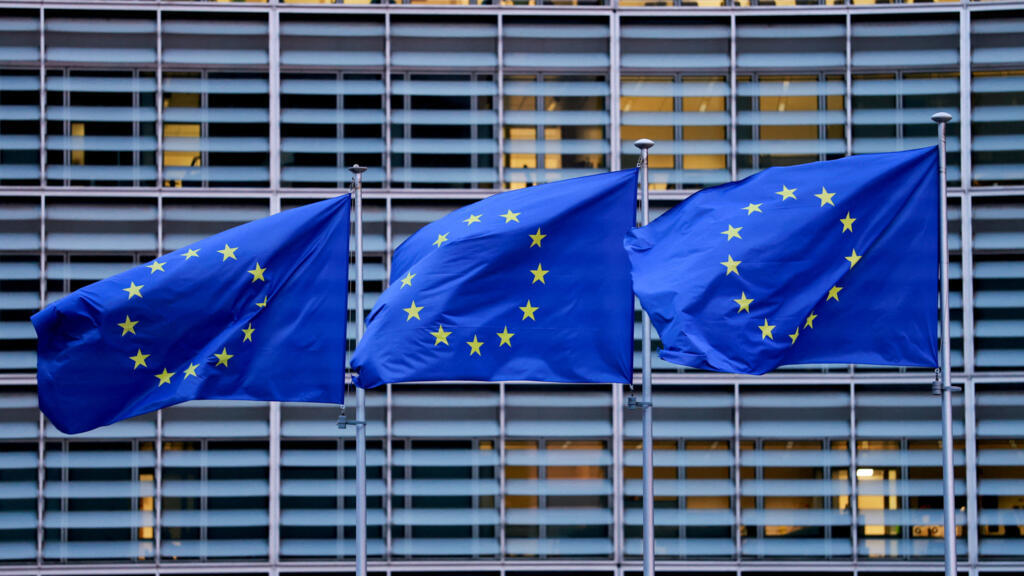
EU Leaders Unveil Comprehensive Economic Overhaul Plan
On Thursday, European Union leaders convened to approve a comprehensive action plan aimed at overhauling the bloc's economy and enhancing its competitiveness. This decision comes at a critical juncture, as the EU faces increasing pressure from global economic giants such as the United States, led by President Donald Trump, as well as prominent players like China and Russia. The leaders recognized the urgent need to strengthen the European market in the face of these external challenges.
European Commission President Ursula von der Leyen emphasized the significance of the action plan, stating it will lay the groundwork for a more robust and interconnected European economy. The March plan seeks to advance several key initiatives, including the upgrading of energy grids, further financial integration, and the easing of merger regulations within the EU. By addressing these issues, EU leaders aim to create a more competitive landscape for businesses and foster innovation across member states.
One of the primary components of the plan focuses on the modernization of energy infrastructure. The EU intends to enhance its energy grids to ensure that all member states have access to reliable and sustainable energy sources. This move is not only vital for economic stability but also aligns with the bloc's commitment to environmental sustainability and reducing carbon emissions. By investing in renewable energy technologies and improving interconnections, the EU hopes to reduce dependency on external energy suppliers.
In addition to energy infrastructure, the action plan outlines strategies for deepening financial integration within the EU. The leaders recognized that a more harmonized financial market can lead to greater investments, improved access to capital for businesses, and enhanced stability across the region. Proposed measures include streamlining regulations and enhancing cross-border banking activities, which could provide the necessary liquidity for economic growth.
Moreover, the easing of merger rules is designed to promote collaboration among companies while ensuring competition remains fair. The leaders believe that fostering strategic alliances can aid in overcoming competitive challenges posed by non-EU entities. By adjusting the framework governing mergers and acquisitions, the EU aims to encourage innovation and drive economic growth through cooperative ventures among European firms.
The action plan also addresses the broader implications of globalization and the changing dynamics of international trade. EU leaders are aware that their economies are intertwined with global markets, and any effort to boost competitiveness must consider external influences. Therefore, the strategy includes provisions for enhancing trade relations and negotiating favorable agreements with other countries, including those in the Asia-Pacific region.
As the EU forges ahead with this ambitious plan, the bloc is positioning itself as a formidable economic entity capable of standing up to global competitors. By prioritizing energy upgrades, financial integration, and more flexible merger regulations, EU leaders are taking significant steps toward ensuring a sustainable and competitive future for their economies. The approval of this plan marks a pivotal moment for the EU, as it aims to not only enhance its competitive edge but also solidify its role in the global economic landscape.
In summary, the EU's action plan represents a proactive effort to reshape the bloc’s economic framework in response to external pressures. By focusing on critical areas such as energy, finance, and competition, EU leaders are laying the foundation for a stronger, more interconnected, and resilient European economy. These initiatives are expected to bolster the region’s position in the global market, promoting long-term growth and sustainability.