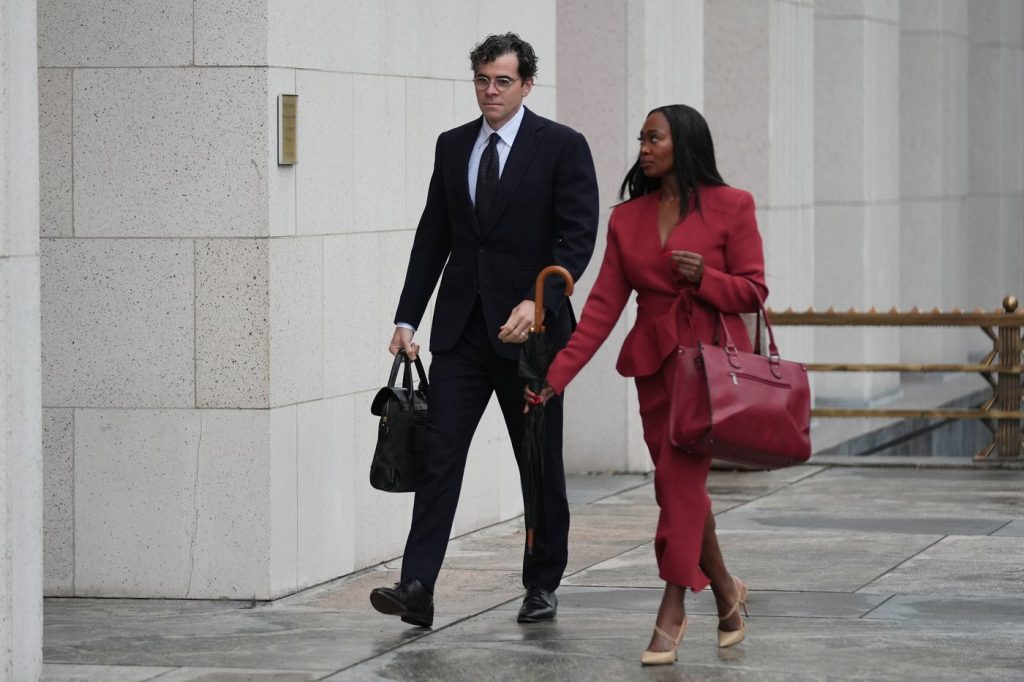
LOS ANGELES (AP) — Adam Mosseri, the head of Meta's Instagram, testified on Wednesday during a groundbreaking social media trial in Los Angeles, expressing his disagreement with the notion that individuals can be clinically addicted to social media platforms. This issue of addiction is central to the case, where plaintiffs are attempting to hold tech companies accountable for the negative impacts that their platforms may have on children.
Meta Platforms and Google’s YouTube remain the two defendants in this case, as TikTok and Snap have reached settlements. At the heart of the Los Angeles trial is a 20-year-old plaintiff referred to only as "KGM." This lawsuit could have significant implications for thousands of similar cases against social media companies, with KGM and two other plaintiffs selected for bellwether trials, serving as crucial test cases for both sides.
Mosseri, who has led Instagram since 2018, emphasized the importance of distinguishing between clinical addiction and what he termed "problematic use." While the plaintiff's lawyer, Mark Lanier, cited past instances where Mosseri referenced social media addiction in a podcast, he stated that he may have used the term "too casually." Mosseri clarified that he does not hold himself out as a medical expert but shared that someone very close to him has faced serious clinical addiction, prompting him to choose his words carefully.
He further elaborated that his team uses "problematic use" to describe users spending excessive time on Instagram, which they may not find fulfilling. He also noted, "It’s not good for the company, over the long run, to make decisions that profit for us but are poor for people’s well-being."
The courtroom witnessed heightened emotions, particularly from parents of children affected by social media issues, during discussions about body dysmorphia and Instagram’s use of cosmetic filters that have been said to promote plastic surgery. Mosseri asserted that Meta is striving to balance user safety with minimal censorship, stating, "We are trying to be as safe as possible but also censor as little as possible." Meta ceased all third-party augmented reality filters in January 2025 following these concerns.
During cross-examination, Lanier attempted to argue that Instagram was profiting specifically from its teen demographic. However, Mosseri countered that the platform earns "less money from teens than from any other demographic," citing that teenagers typically do not engage with ads or have disposable income. Lanier, however, pointed to research indicating that early engagement with social media increases the likelihood of prolonged usage, suggesting that younger users could be lucrative long-term clients.
Mosseri remarked on the perceived dichotomy of prioritizing safety versus revenue, challenging the notion by stating, "It’s really hard to imagine any instance where prioritizing safety isn’t good for revenue." Meta CEO Mark Zuckerberg is expected to take the stand next week, marking a significant moment in the trial.
Recent years have seen Instagram introduce multiple safety features aimed at protecting young users; however, effectiveness has been questioned. A report from the previous year indicated that accounts created as teen users were still being recommended inappropriate sexual content and troubling content related to self-harm and body image issues. Meta dismissed the report as "misleading" and stated that it misrepresents their safety efforts for teenagers.
In addition to the Los Angeles trial, Meta is facing a separate trial in New Mexico that also began this week, adding to the company's ongoing legal challenges related to the safety of young users on its platforms.