NATO Secretary General Discusses Europe's Evolving Role in Global Security
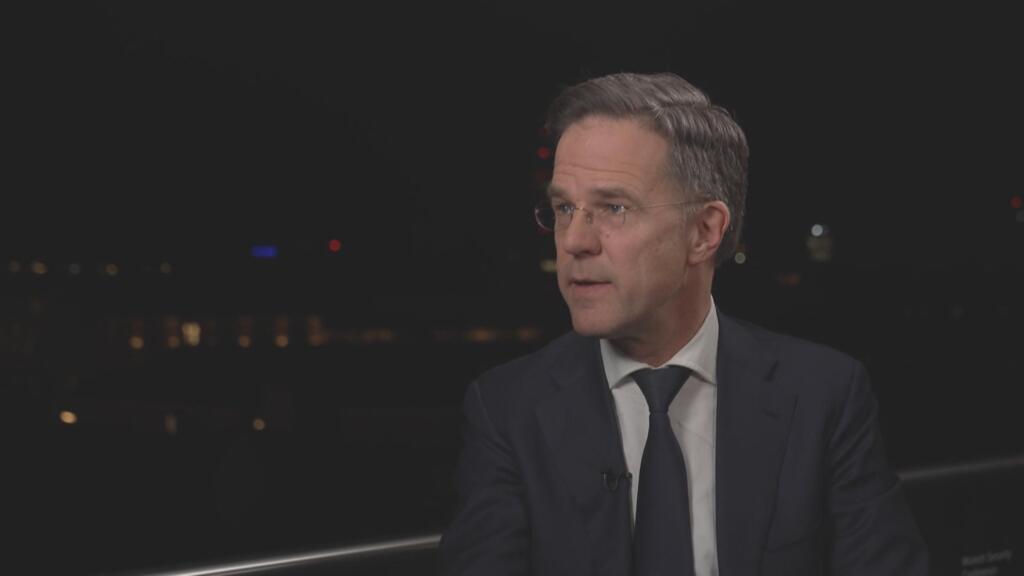
In an exclusive interview with FRANCE 24, NATO Secretary General Mark Rutte addressed the evolving dynamics of European involvement in global security matters. Rutte asserted that NATO is currently stronger than it was a year ago, highlighting the transformation within the alliance brought about by various geopolitical factors.
Rutte elaborated that the current resilience of NATO is a direct result of intensified cooperation among member states, as well as a collective realization of the necessity to enhance defense capabilities in light of global threats. The geopolitical landscape has shifted dramatically, compelling NATO to adapt and take on new roles that reflect the changing nature of security concerns across Europe and beyond.
Reflecting on NATO's evolution, Rutte specifically pointed out the significant influence of former U.S. President Donald Trump's leadership. Trump's strong advocacy for increased defense spending among NATO allies played a pivotal role in reshaping the alliance's priorities. According to Rutte, this insistence on higher contributions served not just to bolster military funding but also enhanced overall strategic coordination across NATO member nations.
During the interview, Rutte also noted that the alliance's unity was tested in recent years, particularly amid differing national priorities and security strategies. However, the commitment from member states to enhance their military capacities has fostered a renewed sense of solidarity within NATO. Rutte emphasized that such cooperation is essential in the face of persistent challenges posed by potential aggressors, rendering NATO more capable of promptly responding to emerging threats.
The Secretary General remarked on the evolving security threats that Europe faces today, citing cyber warfare, hybrid threats, and geopolitical tensions as critical areas of concern. The events in regions such as Eastern Europe and the Middle East have underscored the necessity for NATO to remain vigilant and adaptable. Rutte indicated that the alliance's strategic focus is shifting to encompass a broader array of challenges that require coordinated multinational responses.
Furthermore, Rutte highlighted the importance of maintaining strong relationships beyond NATO’s borders. Engaging in partnerships with countries that share similar democratic values is fundamental in addressing global security issues. Rutte underscored that fostering these international collaborations strengthens the collective defense posture of NATO and contributes to global stability.
Rutte concluded the interview by stressing that NATO's ongoing evolution aligns with a vision for a more secure and stable European sphere. He affirmed that member states are committed to the principles of collective defense and are continuously exploring innovative approaches to enhance their deterrence capabilities. This enduring commitment showcases NATO's readiness to confront any challenges that may arise, reinforcing the alliance's relevance in an increasingly complex international security environment.