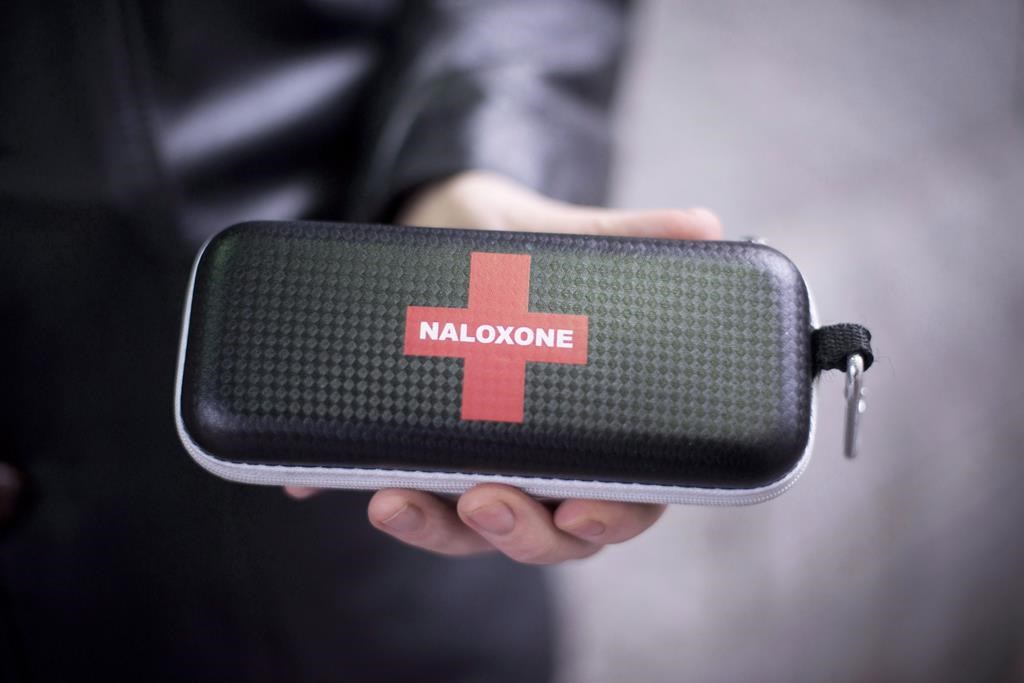
At St. Michael's Hospital in Toronto, emergency room staff have been witnessing a troubling rise in complex overdose cases related to opioid use. Emergency room deputy chief Dr. Garrick Mok reported that in February alone, the ER treated approximately 50 overdose cases in a single week, a significant increase compared to the usual number of around 20 cases. He attributes this spike to a contaminated batch of street drugs, particularly noting the presence of medetomidine, a tranquilizer intended for animals.
When individuals overdose on these contaminated drugs, naloxone is administered; however, they often experience withdrawal afterward, requiring extensive monitoring. This situation has led to increased strain on medical staff and emergency services, prompting concern among healthcare professionals regarding the local drug supply's safety.
The rise in overdose incidents is evident across Toronto. Data from the Toronto Overdose Information System revealed that paramedics responded to 350 calls for suspected non-fatal opioid overdoses in January, compared to 229 calls in January 2025. This dramatic change signals an urgent need for enhanced intervention and support for those affected by substance use.
Bill Sinclair, the CEO of the Neighbourhood Group, which operates the Kensington Market Overdose Prevention Site, expressed alarm at the overwhelming increase in visitors to the center. In February 2026, the center recorded over 1,000 visitors. In contrast, the number of visitors in February 2025 was approximately 500. Sinclair described the escalation in demand for services as unsustainable and emphasized the need for increased support and funding to address the crisis effectively.
As part of its offerings, the overdose prevention site provides drug testing services to individuals. Staff have discovered a significant influx of drugs, such as fentanyl, that have been contaminated with medetomidine. Sinclair conveyed a sense of urgency about the situation, recounting an incident where five individuals overdosed within the same two-hour timeframe. Fortunately, the team was able to save those lives, but Sinclair underscored the growing challenge of maintaining such rapid response capabilities amidst escalating demand.
Toronto Public Health is closely monitoring the rates of overdose incidents as the situation unfolds. However, advocates like Sinclair are concerned that immediate support is essential at supervised consumption sites, especially with fears that the number of overdoses could rise further in the spring months. The ongoing crisis highlights the urgent need for a coordinated approach from both the city and the province to combat the rising tide of opioid overdoses and related fatalities.