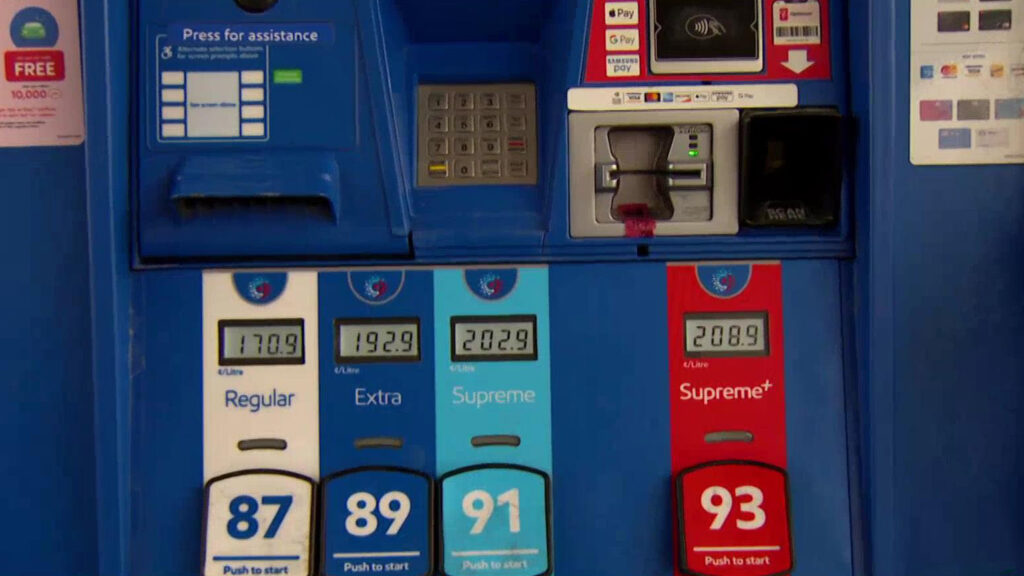
The surge in gas prices is significantly impacting business owners who depend on travel for their livelihoods. This weekend, gas prices in the Greater Toronto Area (GTA) rose by 10 cents to an average of 165.9 cents per litre. Since the beginning of the month, following missile attacks by the United States and Israel against Iran, prices have increased by a substantial 31 cents. For many drivers, these rising costs are increasingly affecting their everyday lives.
Mansur Sourov, who operates a moving company reliant on truck rentals, expressed his concerns, noting that diesel prices have more than doubled from $1.50 to over $2 per litre. He explained that their earnings are being heavily impacted, as a significant portion of their profits is now directed toward fuel and regular maintenance, creating substantial operational challenges.
Sourov’s situation is echoed by a driver from a limousine company, who shared the difficulty of passing increased costs on to customers. Previously, a limo ride costing around $300 has now escalated to $500, which poses a challenge in justifying the price hike due to fuel costs to clients.
The ongoing conflict in Iran continues to affect global oil and gas prices, particularly as Iran blocks shipments through the Strait of Hormuz. This narrow passage is critical, accounting for approximately 20 percent of the world's oil transit. Experts indicate that the current spike in prices may persist, depending on the resolution of the conflict.
Warren Mabee from the Queen's Institute for Energy and Environmental Policy at Queen's University commented that even if the conflict comes to an end, it would take months for prices to stabilize and return to pre-conflict levels. The implications of increased transportation costs are expected to extend beyond fuel prices, influencing the overall cost of consumer goods.
Drivers interviewed have mentioned shifts in their driving habits due to the price hikes. Many are opting to drive less frequently and are filling up their tanks with smaller amounts of gas to allocate funds for other essential expenses. The repercussions of rising fuel prices will likely extend to other consumer goods, as the costs associated with shipping products, including food and clothing, are affected by higher fuel expenses.
Mabee highlighted that despite Canada's strong oil sector, its integration into the global market means that local prices remain susceptible to international supply constraints. Situations where supply is limited can rapidly lead to increased prices, impacting consumers across various sectors.
In light of these developments, En-Pro predicts that the next price change may not occur until at least Tuesday, leaving many business owners and consumers to navigate the complexities of rising fuel costs in the interim.