Russia to Hold Scaled-Back Victory Day Parade
On Wednesday, the Kremlin announced that Russia will be conducting a scaled-back version of its annual Victory Day parade, which commemorates the defeat of Nazi Germany in World War II. This year marks a significant change as, for the first time in nearly two decades, the parade held annually in Moscow's Red Square will not feature a display of military hardware. The Kremlin attributed this decision to what it termed Ukraine's "terrorist activity."
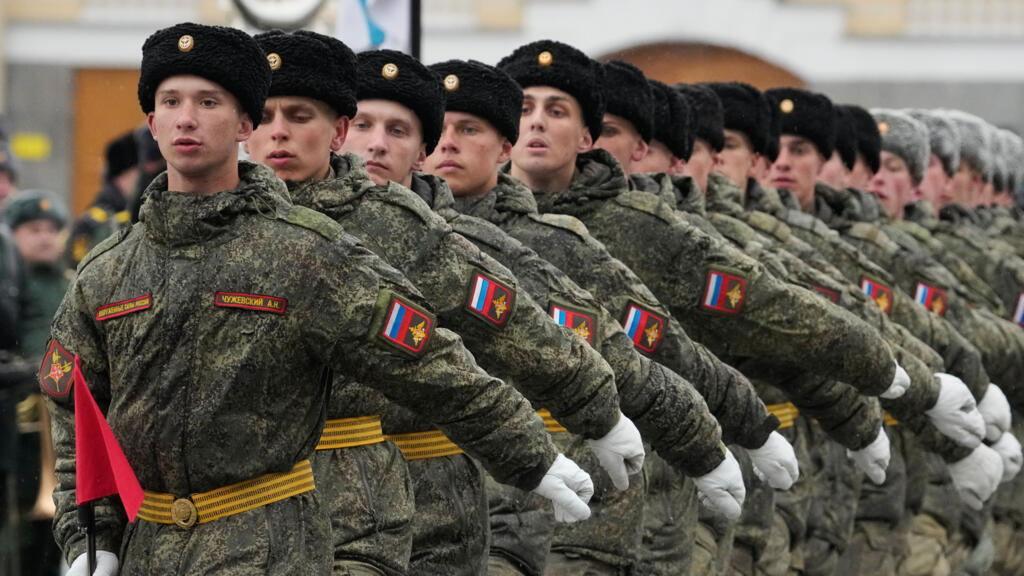
The Victory Day parade has traditionally been a showcase of Russia's military might, featuring an array of armored vehicles, fighter jets, and thousands of soldiers marching in unison. Held on May 9 each year, this event serves not only as a remembrance of the sacrifices made during World War II but also as a demonstration of current military capabilities. However, the ongoing conflict with Ukraine has prompted Russian officials to adjust their usual display of strength.
The expected changes come amidst a backdrop of heightened tensions between Russia and Ukraine. The Kremlin's rationale underscored the precarious security situation, positing that a full military display could be seen as provocative given the current hostilities. Officials did not elaborate extensively on the specifics of the planned events for the May 9 ceremony, leaving some uncertainty regarding the program.
Military experts have noted that the absence of ground forces and military equipment from the parade could reflect a shift in strategic messaging, relegating the parade to a more subdued commemorative role rather than an assertion of military dominance. Consequently, this year’s event might focus more on honoring the memory of those who fought and died in the war without the accompanying show of contemporary military strength.
The announcement has garnered attention not only within Russia but also internationally, as it signals the changing perceptions of military parades amid ongoing conflict. Observers are keenly watching how this decision may influence public sentiment in Russia, where the Victory Day celebration is deeply woven into national identity and historical pride.
As Russia prepares for the modified commemoration, questions loom regarding how citizens will respond to these changes and whether the parade will continue to serve as an effective tool for rallying national pride and support in a time of conflict. The Kremlin's approach indicates a recognition of the sensitive nature of military displays in light of ongoing challenges.