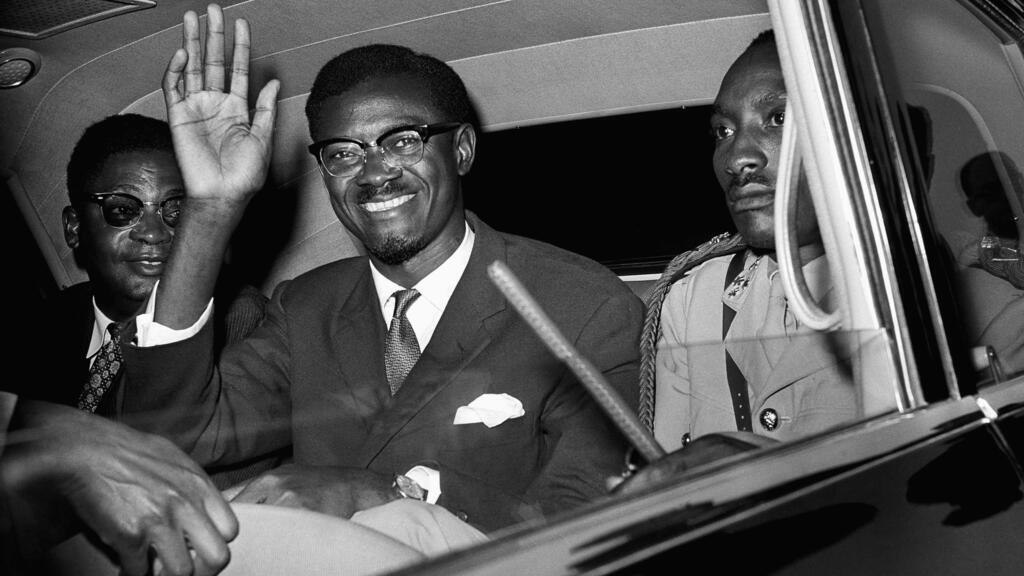
A former Belgian diplomat has been ordered to stand trial for the 1961 murder of Patrice Lumumba, the first prime minister of the Democratic Republic of the Congo following its independence from Belgium. This significant development marks a pivotal moment in the long-overdue quest for justice concerning one of Africa's most important political figures and moments in history.
The suspect, who is now 93 years old, is reportedly the first individual to face prosecution for the assassination of Lumumba, an event that has been shrouded in controversy, political intrigue, and has long been the subject of investigations and discussions within international human rights circles. The decision to hold the diplomat accountable comes after decades of speculation and inquiry that have sought to uncover the intricacies surrounding Lumumba's death.
Patrice Lumumba became a symbol of the struggle for independence and national identity in Africa, advocating for self-determination at a time when many countries on the continent were emerging from colonial rule. His premiership, however, was short-lived; he was in office for just a few months before being ousted in a coup, culminating in his capture and eventual murder. Reports indicate that he was executed on January 17, 1961, a brutal act that has been linked to various colonial and geopolitical interests, particularly from Belgium and the United States during the Cold War era.
In the decades since his assassination, various investigations have suggested that Lumumba's murder was not just an unfortunate turn of events but rather a meticulously planned operation involving foreign intervention. As details of the case have come to light over the years, it has become evident that Lumumba's elimination was facilitated by elements within the Belgian government, which at the time was concerned about the implications of his leadership for their interests in the region.
The former diplomat's trial is particularly significant, as it serves as an opportunity for the Congolese and the international community to confront the enduring legacy of colonialism and its consequences in Africa. Lumumba's assassination has often been viewed as a stark reminder of the lengths to which colonial powers would go to maintain control over their former territories. It also raises vital questions about accountability for historical injustices, and the responsibilities that contemporary governments have to address these past wrongs.
As the trial unfolds, there will likely be a renewed focus on historical documents and testimonies that could expand understanding of the events leading up to Lumumba's death. The case holds the potential to shine a light on the broader narrative of political interference in African nations during the mid-20th century, examining how such actions have shaped the political landscape in the Democratic Republic of the Congo to this day.
The former diplomat's age and the passage of time present unique challenges to the prosecution, but the fact that he is being charged signifies a shift in the way many nations are beginning to grapple with their colonial legacies and the injustices committed in that era. The global community will be watching closely as this case is pursued, as it not only addresses the specifics of Lumumba's assassination but also the larger themes of restitution, justice, and reconciliation stemming from colonial histories.