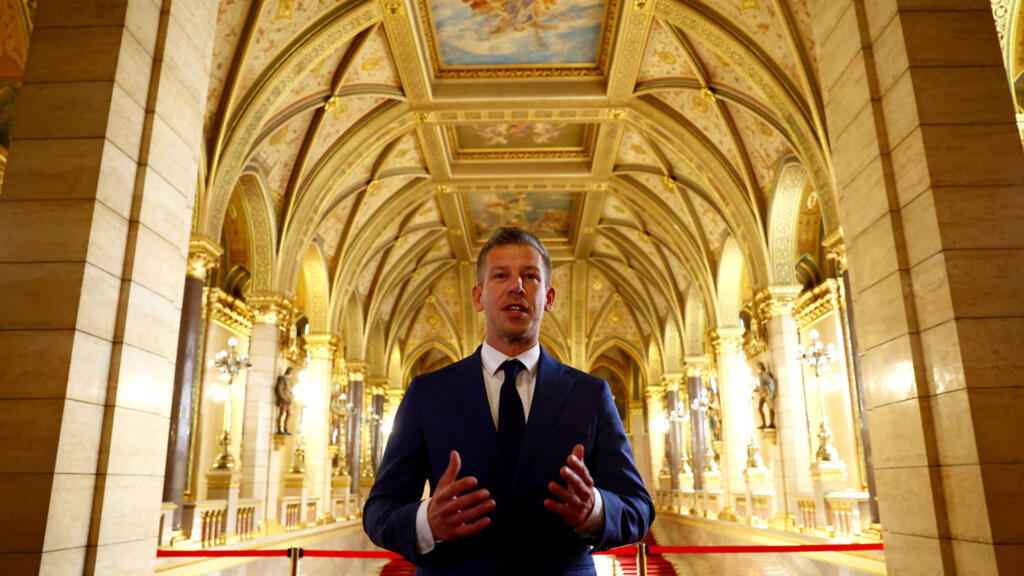
After 16 years of illiberal governance under outgoing Prime Minister Viktor Orbán, Hungary is poised for a significant political transformation that entails not only a shift in leadership but a fundamental regime change. Balint Magyar, a former Hungarian education minister and an authoritative voice on the implications of Orbán-era policies, emphasizes that restoring the rule of law will be a crucial task for the new government.
Orbán's tenure has been characterized by a concentration of power, erosion of democratic institutions, and the systematic undermining of the rule of law. His administration has been accused of state capture, where the state apparatus is manipulated to serve the interests of a specific political elite rather than the public good. Under these circumstances, the incoming leadership faces the monumental challenge of dismantling the structures that have facilitated this illiberal governance.
A pivotal aspect of this transition will be addressing the accountability of Orbán's high-profile loyalists. Many individuals who have played significant roles in implementing Orbán's policies may face legal repercussions for their actions during his tenure. This prospective legal action signifies a broader intention to restore integrity to Hungary's political institutions and reinforce the principles of democracy and human rights.
The restoration of the rule of law is not merely a slogan but a multifaceted process that encompasses various dimensions, including judicial reform, combatting corruption, and reinstating checks and balances within the government. For Hungary to emerge as a robust democracy, the new leadership will need to prioritize these reforms and work towards rebuilding public trust in government institutions.
Additionally, the new government will have to navigate the complex relationship between Hungary and the European Union. Orbán's administration has often been at odds with EU mandates, particularly concerning fundamental rights and the independence of judiciary systems. The incoming leaders must find a way to reconcile Hungary's policies with EU standards, as this will be crucial for the country's future relationship with the union.
Furthermore, reintegrating Hungary into the international community will require transparency and a commitment to adhering to democratic norms. This process may involve significant policy shifts, including a recommitment to various international agreements and cooperation with global partners to ensure that Hungary's political and legal frameworks align with broader democratic principles.
In summary, the transition from Orbán's illiberal governance to a new democratic order in Hungary represents a complex and challenging journey. Balint Magyar's insights highlight the necessity for accountability, legal reform, and a genuine commitment to democratic governance. As the new leadership prepares to take office, the eyes of both the Hungarian populace and the international community will be focused on their ability to navigate this pivotal moment in Hungary's political history. The road ahead will demand courage, resolve, and a willingness to confront the legacies of the past.