Hungary's New Prime Minister Proposes Meeting with Ukraine
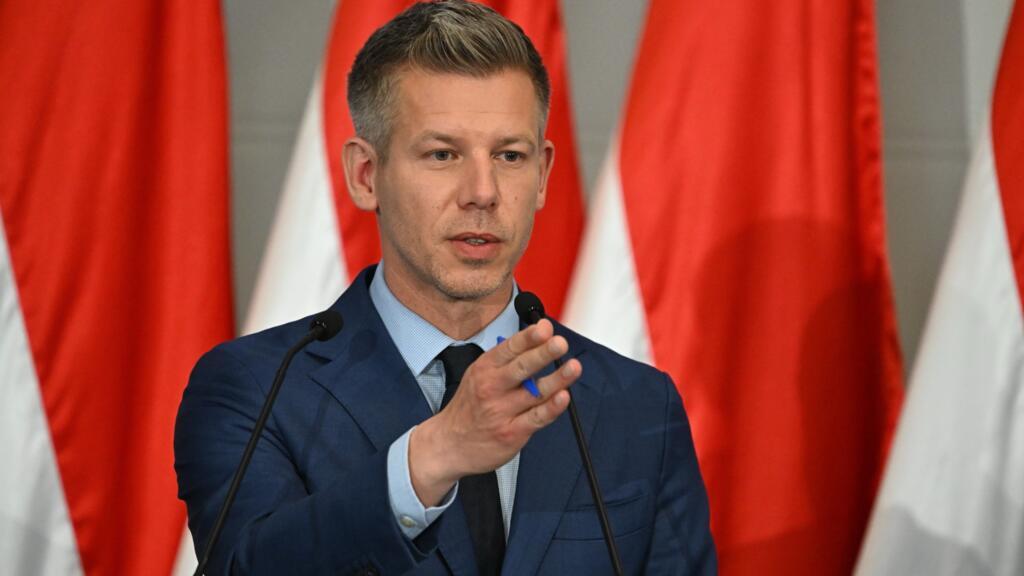
The incoming Prime Minister of Hungary, Peter Magyar, has made a significant overture towards Ukraine by proposing a meeting with President Volodymyr Zelensky scheduled for June. This initiative aims to improve the historically strained relationship between the two neighboring countries and address unresolved issues surrounding the rights of ethnic Hungarians living in Ukraine.
Magyar's proposal comes at a time when diplomatic relations between Hungary and Ukraine have seen considerable tension. Issues related to the treatment of ethnic Hungarians in Ukraine—including language rights, education, and cultural representation—have been pivotal points of contention. By proposing this meeting, Magyar expresses his intent to engage in constructive dialogue and work towards finding mutually agreeable solutions.
The meeting is anticipated to cover a range of topics crucial to both nations, including but not limited to cultural rights, educational policies for ethnic minorities, and economic cooperation. Magyar's administration appears committed to establishing a more collaborative and courteous relationship with Ukraine, contrasting the previous posture that often emphasized Hungary's grievances regarding minority rights.
Hungary has a significant population of ethnic Hungarians, especially in areas close to its border, and their rights have been a source of ongoing concern. Magyar's engagement with Zelensky could pave the way for improved conditions for these communities, thus enhancing bilateral relations further. There is hope that constructive discussions may lead to tangible improvements in the socio-political climate affecting ethnic Hungarians in Ukraine.
The proposed meeting underscores a broader intention from Hungary's new leadership to recalibrate foreign relations, particularly in light of recent geopolitical shifts in Eastern Europe. As Ukraine continues to navigate complex dynamics amid its aspirations for EU integration and ongoing conflicts, Hungary's willingness to mend ties could influence regional cooperation efforts. Magyar’s approach marks a departure from a more adversarial stance, suggesting a willingness to participate in dialogue rather than remain at an impasse.
Both nations could benefit from enhanced diplomatic exchanges and a resolution to the longstanding disputes that have characterized their interactions. The upcoming June meeting is viewed as a crucial opportunity for leaders to rebuild trust and foster a collaborative spirit that could lead to practical outcomes for both Hungary and Ukraine.
In conclusion, Peter Magyar's invitation to President Zelensky for a meeting represents a hopeful turning point in Hungary–Ukraine relations. It reflects a pragmatic approach to deal with contentious issues while aiming for reconciliation and cooperation. The success of this meeting could set the tone for future interactions between the two countries and provide a framework for addressing the rights of ethnic Hungarians in Ukraine, thereby contributing to a more stable and cooperative regional environment.