Belgium's Response to the 2016 Terror Attack by the Islamic State
Ten years after the tragic events in Brussels, where the Islamic State (IS) group perpetrated the deadliest attack in Belgium during peacetime, the country's authorities are reflecting on the lessons learned. On March 22, 2016, a series of coordinated bombings took place at Brussels Airport and the Maelbeek metro station, resulting in the deaths of 32 individuals and injuring over 300 others. This incident marked a pivotal moment in Belgium's journey to enhance its national security protocols and counter-terrorism strategies.
In the aftermath of the attacks, Belgium's government undertook significant measures to strengthen its response to potential terrorist threats. A priority has been the establishment of a coordinated extremist profile database, which aims to better identify and monitor threats. This initiative is part of a broader effort to improve intelligence sharing among various agencies and enhance overall situational awareness. Furthermore, the nation has seen a substantial increase in the number of state security personnel dedicated to counter-terrorism efforts, underscoring the urgency with which the authorities are addressing the risks posed by extremist groups.
Despite these advancements, many victims of the Brussels attacks express a sense of ongoing struggle. They report that their psychological and physical traumas remain inadequately addressed, a sentiment that resonates deeply within the survivor community. Some of these individuals have been vocal about the need for more comprehensive support systems and mental health resources tailored specifically for those impacted by such acts of violence. The emotional scars left by the attacks linger, and victims argue that the government must do more to acknowledge and support their healing processes.
The socio-political landscape in Belgium has also been influenced by the aftermath of the 2016 attacks. The incidents sparked a nationwide conversation about security, integration, and the challenges posed by radicalization. Authorities acknowledge that while progress has been made, the complexities surrounding extremism require continuous attention and adaptive strategies. The government’s commitment to learning from past mistakes serves as a foundational principle guiding its current and future security policies.
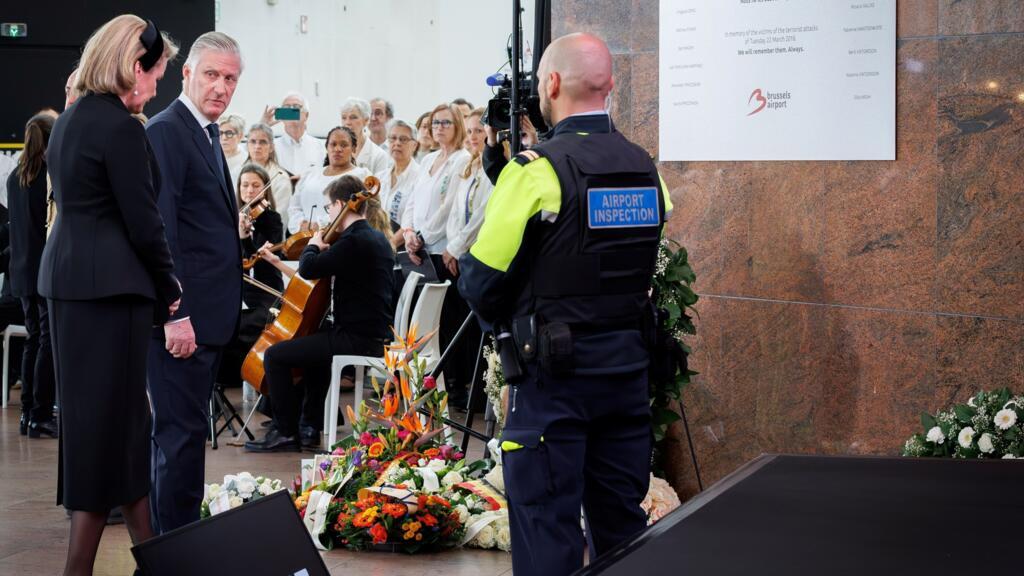
As the decade mark approaches, the collective memory of the attacks continues to impact Belgian society. Annual memorials are held to honor the victims, fostering a sense of community resilience and remembrance. However, the necessity for ongoing dialogue around the experiences of survivors cannot be overlooked. Those affected deserve a platform to share their narratives, ensuring that their voices contribute to shaping the policies that aim to protect citizens from future threats.
In conclusion, Belgium's journey since the 2016 Islamic State attacks highlights both the progress made in securing the nation against terrorism and the ongoing challenges faced by victims. While the government has implemented crucial security measures, the psychological and emotional needs of those affected remain a critical area requiring focused attention. As Belgium continues to navigate the complexities of national security and community healing, the experiences of the survivors must remain at the forefront of policy discussions and initiatives.