Hantavirus is a rare yet potentially lethal virus primarily carried by rodents, and a recent incident aboard a cruise ship near Cape Verde has heightened global awareness about its transmission and the risks it poses, including for Canadian citizens.
A suspected hantavirus outbreak occurred aboard the MV Hondius, a Dutch-flagged cruise ship located off the coast of Cape Verde. This outbreak has tragically resulted in the deaths of three passengers and has left four others with symptoms. The ship, which was carrying 147 passengers and crew members from 23 different countries, is currently being held offshore as health authorities investigate the situation. Among the passengers were individuals from Britain, the United States, Spain, and other nations, with a total of four Canadians also onboard. However, Global Affairs Canada has reported that there are no indications of Canadians being directly affected by the virus.
The World Health Organization (WHO) stated that three suspected cases on the ship have reported high fever and gastrointestinal symptoms, and these individuals remain onboard. Medical teams in Cabo Verde are actively evaluating the sick passengers and collecting further specimens for testing.
Understanding Hantavirus: Origins and Spread
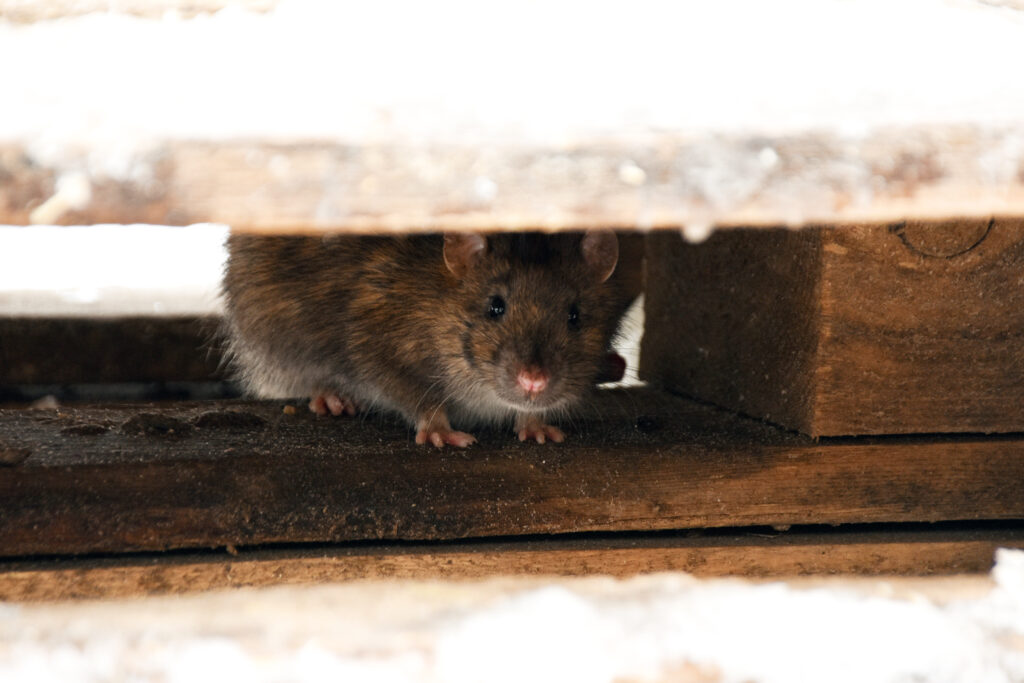
Hantavirus refers to a family of viruses predominantly carried by infected rodents, and humans typically contract the virus through inhaling particles from rodent urine, droppings, or saliva. The illness caused by hantavirus can lead to severe respiratory conditions, including hantavirus pulmonary syndrome, which can escalate rapidly to pneumonia, respiratory failure, and shock.
While infections from hantavirus are relatively rare, they can indeed be fatal. Notably, there are no specific antiviral treatments available, and management involves supportive care measures, including mechanical ventilation in severe cases. The WHO indicates that the case fatality rate for hantavirus infections varies, being less than 1% to 15% in Asia and Europe, while it can reach up to 50% in the Americas.
Human-to-human transmission of hantavirus is exceptionally uncommon; however, the WHO has acknowledged that limited transmission has been documented in certain past outbreaks involving specific strains of the virus.
Origins of the Recent Outbreak
The WHO has indicated that this particular outbreak began sometime between April 6 and April 28, characterized by symptoms such as fever, gastrointestinal complications, and a rapid progression towards respiratory distress. Despite the seriousness of some cases, the WHO continues to evaluate the risk to the general public as low.
Hantaviruses inhabit various regions worldwide, with different strains prevalent in different areas. These viruses are closely associated with rodent populations, which means that outbreaks often occur in locations where human contact with contaminated environments is likely—such as cabins, barns, sheds, forests, or, in rare cases, on cruise ships, where exposure may have occurred prior to boarding.
The primary method of transmission is via airborne exposure to contaminated rodent droppings, urine, or saliva. The WHO noted that the first passenger infected with the virus may have contracted it before embarking on the cruise.
Potential Impact on Canadians
For Canadians, the immediate risk posed by the outbreak remains low, as stated by both the WHO and Canadian officials. Nonetheless, this situation emphasizes several critical considerations. Firstly, Canadians who travel to areas known to have rodent populations—particularly remote locations commonly visited by expedition cruises—may face a heightened risk of exposure.
Secondly, proper rodent control measures at home are vital, particularly given that Canada has its own strains of hantavirus, notably in rural regions of Western Canada. Therefore, ensuring appropriate rodent-proofing and cleanup practices is crucial.
Finally, the outbreak underlines the importance of global mobility, as individuals from multiple countries can be affected by such incidents. This incident underscores the need for vigilance and monitoring of symptoms after traveling internationally.