In a critical diplomatic effort, White House officials are urging China to leverage its influence over Iran to reopen the Strait of Hormuz, particularly ahead of the highly anticipated summit between President Donald Trump and Chinese President Xi Jinping in Beijing. Secretary of State Marco Rubio has specifically called on Chinese leaders to utilize Iranian Foreign Minister Abbas Araghchi's visit to China as an opportunity to press Tehran to relieve its control over this vital maritime route.
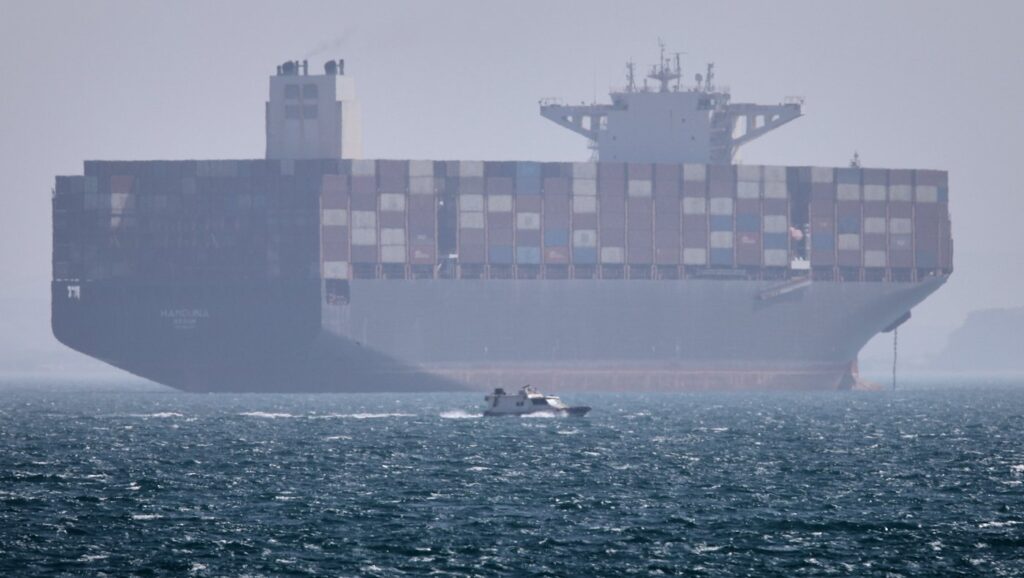
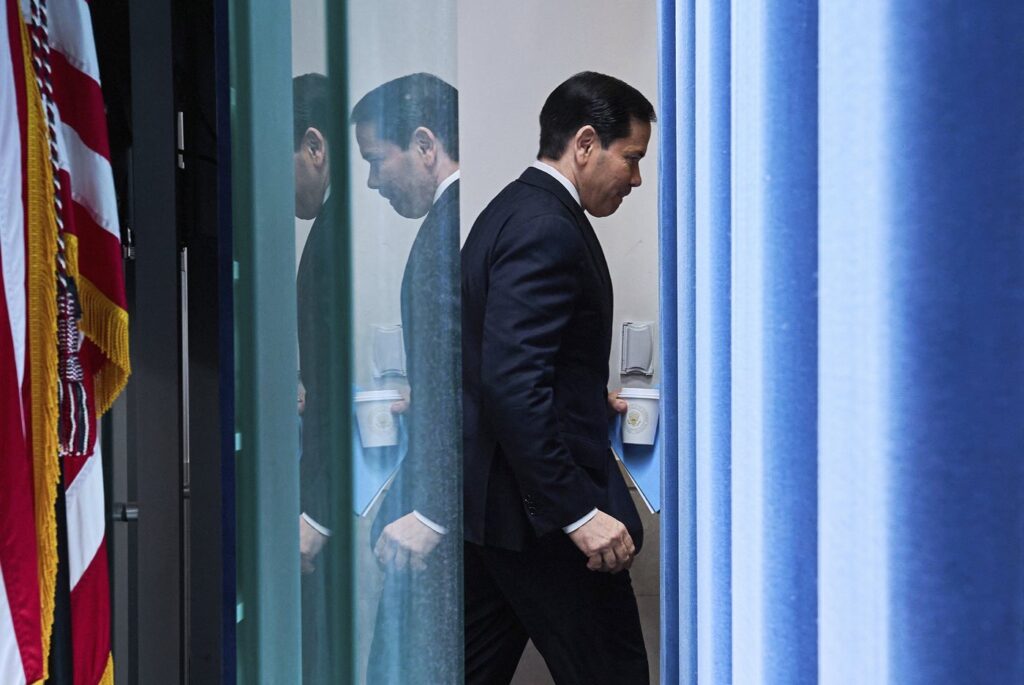
During a briefing at the White House, Rubio expressed hopes that Chinese officials would convey to Iran the global repercussions of its actions, stating, “What you are doing in the strait is causing you to be globally isolated. You’re the bad guy in this.” This comes amidst ongoing conflict in the region that has seen the strait effectively shut down for over two months, severely impacting global oil and natural gas shipments, particularly for China, which depends significantly on imports from the Middle East.
Rubio argued that the closure of the strait directly harms China's economy more than that of the United States, as Beijing relies on the strait for about half of its crude oil and nearly one-third of its liquefied natural gas imports. He emphasized, “It is in China’s interest that Iran stop closing the strait.” This sentiment aligns with ongoing U.S. efforts to gain China's cooperation in abstaining from vetoing a recent U.S.-backed resolution at the U.N. Security Council aimed at condemning Iran’s actions.
The dynamic is complicated by the fact that both China and Russia, Iran's allies at the U.N., previously vetoed a resolution that did not adequately address U.S. and Israeli military strikes which triggered the current war conditions. Trump's Treasury Secretary, Scott Bessent, indicated that Iran’s actions would be a topic of discussion at the Trump-Xi summit, reiterating the need for China to assist in reopening the strait.
In light of the ongoing tensions, the effective blockade has exerted substantial pressure on Asian economies, leading Chinese authorities to engage with Pakistan concerning a ceasefire mediation effort. Trump has suggested that China played a role in persuading Iran to agree to a shaky ceasefire, though the U.S. administration believes that China could do more in facilitating the reopening of the strait.
Meanwhile, Trump addressed China’s resource dependence, claiming that roughly 60% of its oil comes through the strait, while also acknowledging Beijing's historical support for Iran’s military capabilities. Despite concerns surrounding potential arms transfers from China to Iran, Trump noted that Xi had pledged not to provide weapons support.
As the U.S. administration continues to navigate this complex geopolitical landscape, it seeks to enhance economic pressure on China over its ties with Iran. Recent sanctions against a major China-based oil refinery and approximately 40 shipping entities linked to transporting Iranian oil aim to restrict their operations within the U.S. financial system.
Additionally, as discussions around U.S.-China relations evolve, Taiwan is emerging as another focal point. Rubio confirmed that the issue would likely be addressed at the Trump-Xi meeting, emphasizing that stability in the region is mutually beneficial. Recent arms transactions involving Taiwan have alarmed Chinese officials, who are urging the U.S. to reconsider its stance on military support for the island.
Overall, the intertwining issues of the Strait of Hormuz and Taiwan reflect broader U.S.-China tensions and underscore the complexities of international diplomacy in the context of Middle Eastern relations.