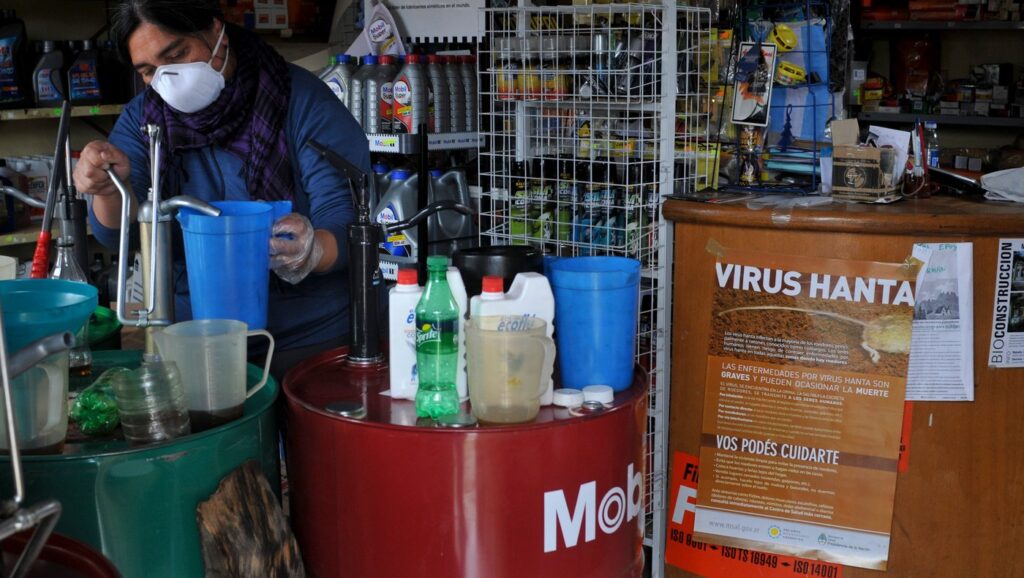
A suspected outbreak of a rodent-borne illness aboard a cruise ship has resulted in the deaths of three individuals and has affected several others. This outbreak is attributed to hantavirus, a pathogen that has been documented in various regions, particularly in Asia and Europe, for centuries. Notably, in the Eastern Hemisphere, hantaviruses have been associated with severe health conditions such as hemorrhagic fever and kidney failure. The emergence of a previously unknown group of hantaviruses in the early 1990s in the southwestern United States marked the onset of an acute respiratory disease now recognized as hantavirus pulmonary syndrome.
The recent attention to hantavirus was heightened by the tragic death of Betsy Arakawa, the wife of late actor Gene Hackman, from a hantavirus infection in New Mexico last year. In response to the current cruise ship outbreak, the World Health Organization announced ongoing investigations, including further laboratory testing and epidemiological research to identify the exact strain of the virus involved.
Transmission of Hantavirus
Hantavirus is primarily transmitted through contact with rodents or their excretions, including urine, saliva, and droppings, especially when these materials are disturbed and become airborne, thus increasing the risk of inhalation. Human exposure is most common in domestic settings, such as homes, cabins, or sheds, particularly during cleaning activities in poorly ventilated spaces or when encountering areas contaminated with mouse droppings. Although rare, the World Health Organization notes that direct human-to-human transmission of hantaviruses can occur.
The U.S. Centers for Disease Control and Prevention (CDC) began monitoring hantavirus after a significant outbreak in 1993 in the Four Corners region, which encompasses parts of Arizona, Colorado, New Mexico, and Utah. Michelle Harkins, a pulmonologist at the University of New Mexico Health Sciences Center, highlighted that an observant physician from the Indian Health Service first recognized a pattern of fatalities among young patients, prompting further investigation into the disease. Most U.S. cases of hantavirus have been reported in Western states, particularly New Mexico and Arizona, attributed to a higher likelihood of human contact with infected rodents in rural areas.
Symptoms and Progression of the Illness
Infected individuals typically exhibit flu-like symptoms that can escalate rapidly and potentially become life-threatening. Initial symptoms include fever, chills, muscle aches, and headaches, making it challenging to distinguish between hantavirus infection and influenza. Symptoms of hantavirus pulmonary syndrome typically manifest between one to eight weeks following exposure to infected rodents, with patients potentially developing chest tightness as fluid accumulates in the lungs. The other hantavirus syndrome, known as hemorrhagic fever with renal syndrome, usually arises within one to two weeks post-exposure.
Mortality rates associated with these hantavirus syndromes vary based on the specific strain involved. Approximately 35% of individuals infected with hantavirus pulmonary syndrome are expected to succumb to the illness, whereas the death rate for hemorrhagic fever with renal syndrome ranges from 1% to 15%, according to the CDC.
Challenges in Understanding and Treating Hantavirus
Currently, there is no specific treatment or cure for hantavirus infections; however, early medical intervention can significantly improve survival chances. Despite extensive research, many unanswered questions persist regarding the disease, such as why some infections are mild while others are severe and the mechanisms behind antibody development. Harkins and her colleagues have been continuously tracking patients over extended periods in hopes of identifying effective treatment options.
With the understanding that rodent exposure is critical in hantavirus transmission, public health experts recommend minimizing encounters with rodents and their droppings. Effective preventive measures include using protective gloves and a bleach solution when cleaning rodent droppings, while cautioning against sweeping or vacuuming, which may aerosolize viral particles into the air.