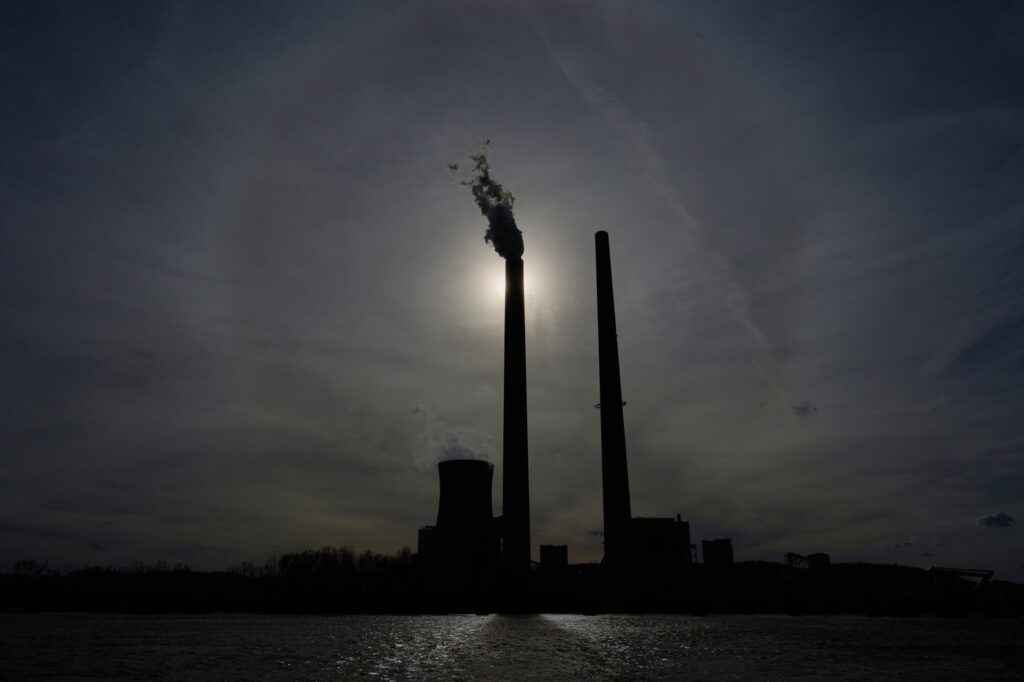
The Trump administration has proposed a significant rollback of regulations concerning the disposal of coal ash, a toxic byproduct of burning coal that contains hazardous heavy metals. These proposed changes aim to weaken the monitoring and cleanup standards previously reinforced under the Biden administration, which had aimed to combat pollution from coal-fired power plants.
Notably, the revisions would ease standards for protecting groundwater near coal ash sites and allow for more lenient cleanup requirements, focusing only on specific areas where ash has been dumped rather than entire coal properties. Additionally, the updates would facilitate the reuse of coal ash in various applications.
Lee Zeldin, the EPA Administrator, stated that this proposal demonstrates the agency’s "commitment to restoring American energy dominance" and emphasizes flexibility for unique circumstances at specific coal facilities. This proposal follows a narrative established during the Trump presidency that prioritizes fossil fuel interests over stringent environmental protections.
Coal ash, produced in large quantities from burning coal, can include harmful substances like mercury, lead, and cobalt. If mishandled, this ash poses risks to groundwater sources, particularly because coal plants are often located near rivers or other waterways where waste is stored.
Opponents of the proposed changes have raised concerns that allowing states and regulators to grant exemptions from national standards may create opportunities for companies to neglect proper coal ash management, risking groundwater contamination. For example, the Biden-era EPA in 2022 refused to allow the Gen. James Gavin Power Plant in southern Ohio to close a coal ash disposal site deemed in contact with groundwater.
Environmental advocates, like Nick Torrey from the Southern Environmental Law Center, argue that the deregulation could endanger public health and environmental safety, asserting that permitting ash to remain in contact with groundwater undermines essential safeguards established to protect communities.
Previous Biden-era coal ash protections mandated the cleanup of hazardous sites, such as the Michigan City Generating Station in Indiana. Activists expressed concern that under the proposed changes, cleanup standards for similar contaminated areas could be eliminated, particularly at sites where coal ash has been used to create land structures.
The current proposal also seeks to lift restrictions on the “beneficial use” of coal ash in materials such as cement and structural fill, a move defended by industry advocates who argue that health risks associated with coal ash have been overstated in prior assessments. They claim that the proposed revisions could yield significant cost savings that justify easing the previous regulations.
The Utility Solid Waste Activities Group expressed appreciation for the EPA’s recognition of challenges faced by the industry in adhering to existing regulations, calling for a shift from a "one-size-fits-all" approach to more site-specific flexibility.
The EPA's regulation of coal ash initiated during the Obama administration responded to past disasters, such as the 2008 coal ash spill in Tennessee that inundated 300 acres and led to public health concerns linked to exposure among workers involved in the cleanup. Similar spill incidents have occurred, highlighting the risks associated with improper coal ash handling.
Critics, including Lisa Evans from Earthjustice, condemned the proposed changes as detrimental to health protections that address toxic coal byproducts, suggesting they represent a giveaway to the coal industry at the expense of public welfare. This proposal is part of a broader trend under the Trump administration characterized by regulatory rollbacks that seek to promote the coal industry while sidestepping environmental standards.
In earlier actions, the Trump administration weakened limits on mercury emissions from coal-fired power plants and reversed guided shutdowns of certain coal plants, justifying these decisions by citing the need for reliable power during peak demand periods.