BUNIA, Congo (AP) — Authorities in northeastern Congo have imposed a ban on funeral wakes and gatherings of more than 50 people as part of efforts to control a rapidly spreading Ebola outbreak in Ituri Province. This region has faced significant challenges, including a lack of medical resources and resistance from local communities.
The World Health Organization (WHO) has elevated the outbreak’s risk level for Congo to "very high,” up from "high," though it maintains that the global risk of transmission remains low. WHO Director-General Tedros Adhanom Ghebreyesus has confirmed 82 cases and seven fatalities linked to the outbreak, while additional estimates suggest that the outbreak may be much larger, with approximately 750 suspected cases and 177 suspected deaths documented so far.
Significantly, there is currently no vaccine available for the Bundibugyo strain of the Ebola virus. The outbreak went undetected for several weeks in Ituri Province after the first known death, as initial tests for a more common Ebola virus returned negative results. As surveillance efforts expand, authorities expect to uncover more cases.
Congo Foreign Minister Thérèse Kayikwamba Wagner stated the government is racing against time to manage the outbreak. Supplies have been sent to Ituri, where nearly a million people have been displaced due to ongoing armed conflicts related to mineral resources. Ramping up contact tracing is a priority for health officials.
In Bunia, the provincial capital, observers have noted empty emergency treatment centers and reports of medical professionals in the nearby town of Bambu using expired surgical masks while attending to suspected Ebola patients. The provincial government has enforced strict measures, including a temporary ban on wakes and large gatherings, mandating that funerals adhere strictly to health protocols.
The disease has also been reported in North Kivu and South Kivu, two Congolese provinces to the south of Ituri, where the M23 rebel group holds significant territory, including the cities of Goma and Bukavu. M23 has indicated that it is establishing a crisis team to address the outbreak. Kayikwamba Wagner expressed concern regarding M23's capabilities in managing the health crisis, mentioning that there is little communication between the Congolese government and the rebels regarding the outbreak.
Health officials and aid workers face significant challenges due to local customs and misinformation. Alarming instances include an Ebola treatment center in Rwampara being torched by angry youth when they were prohibited from collecting the body of a deceased friend, thought to have died from Ebola. Local aid group leader Julienne Lusenge remarked that the community's distrust stems from years of conflict and hardship, further exacerbated by some churches promoting the outbreak as a falsehood, claiming divine protection renders medical assistance unnecessary.
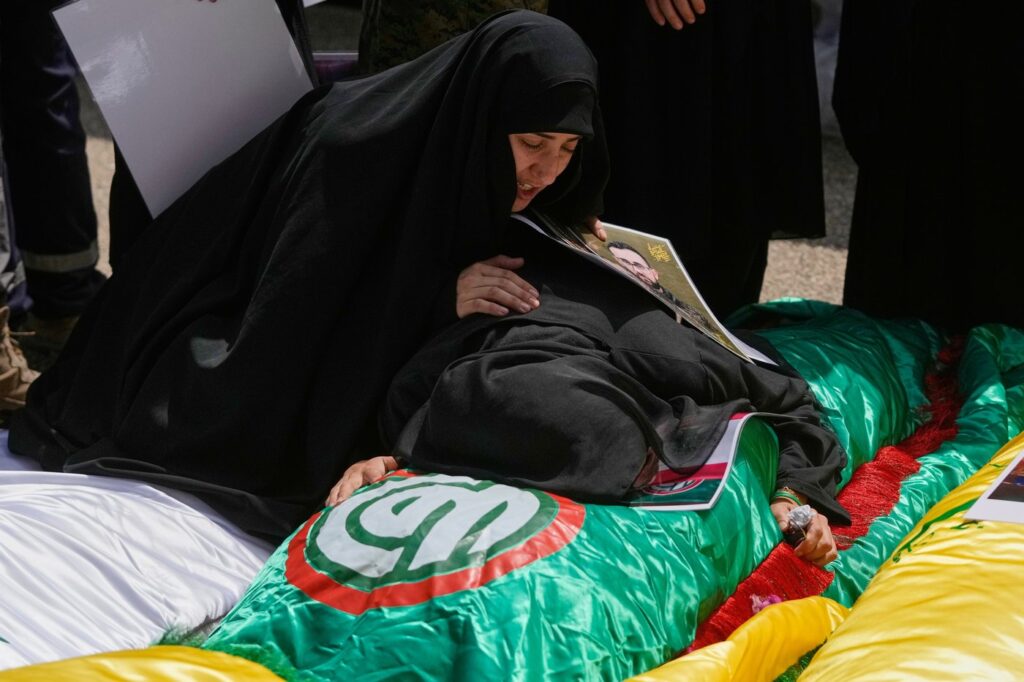
In Mongbwalu, where the outbreak is believed to have started, a grieving father, Lokana Moro Faustin, lamented the loss of his daughter to the disease and the missed chance for a proper farewell due to Ebola restrictions. The 16-year-old succumbed to the illness on May 15, and her body was taken for a secure burial without the family's presence, amplifying emotional distress for her relatives.
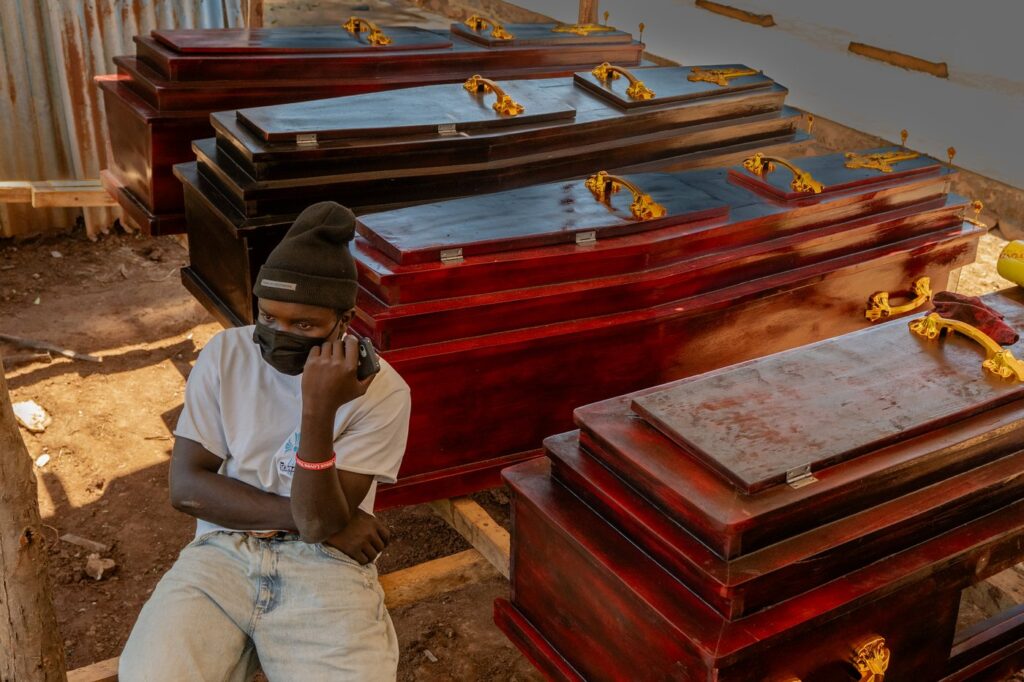
Given the rising number of deaths, demand for coffins has surged in Bunia, with local factory managers reporting extended hours to meet the need. Despite aid arriving, frontline health workers lack necessary medical resources. The United Nations has announced the release of $60 million from its Central Emergency Response Fund to support the ongoing response in Congo and neighboring areas, while the U.S. has committed $23 million to bolster response efforts in both Congo and Uganda, including the establishment of multiple Ebola treatment clinics.
Although a person infected with Ebola typically transmits the virus to one or two others, health officials note the need for vigilance, as transmission rates may vary considerably in different outbreaks. Both the WHO and the Africa Centers for Disease Control and Prevention suspect the current outbreak is more extensive than what is officially reported. The health infrastructure in the region has suffered from international aid cuts, with the International Rescue Committee reporting the suspension of surveillance activities in three out of five areas within Ituri over the past year.
Efforts to navigate the complex crisis are further complicated by ongoing armed conflict in the region. Humanitarian actors face significant risks when traversing areas, necessitating caution and preparation against potential attacks from armed groups as they attempt to mitigate the outbreak.