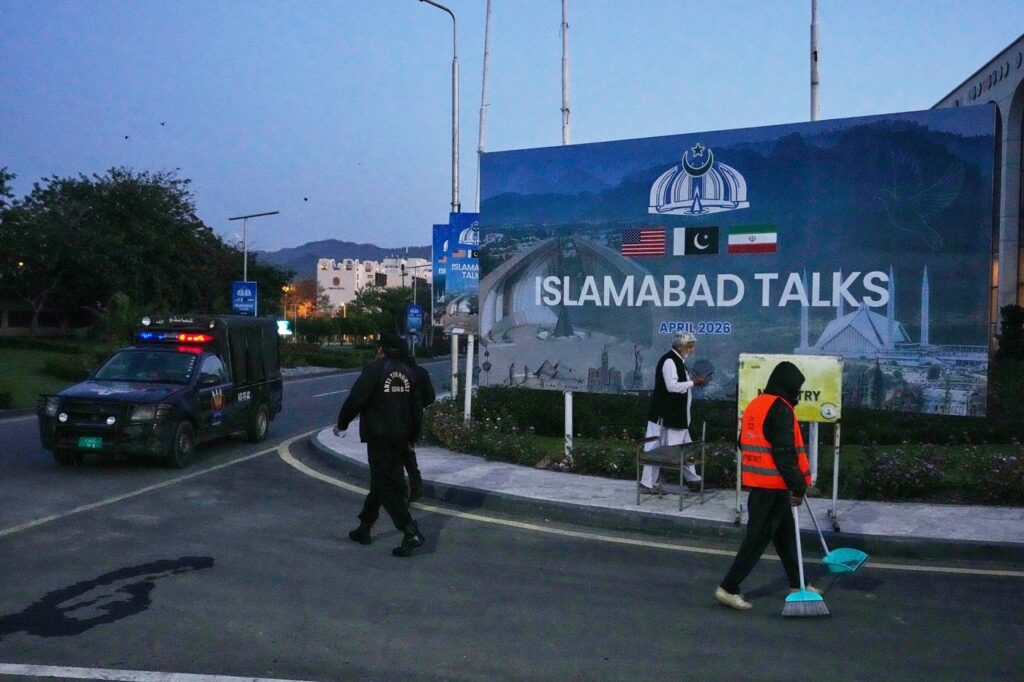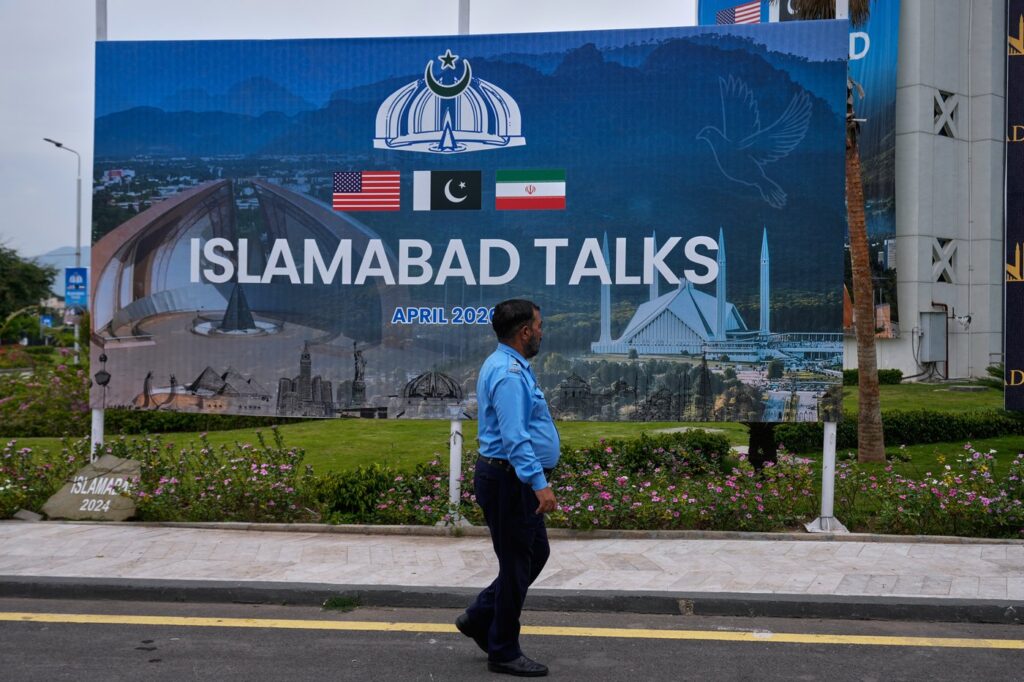
Ceasefire negotiations between the United States and Iran concluded without an agreement early Sunday morning, raising concerns over the potential resumption of conflict after a two-week truce, which is set to expire on April 22. The talks, held in Islamabad, Pakistan, saw both nations blaming each other for the lack of progress.
The failure of these discussions follows a 40-day war that inflicted significant damage on Iran, impacting the regional balance and shaking the global economy. Despite the setback, it is unclear whether negotiations will resume. U.S. President Donald Trump issued new threats against Iran post-negotiations, intensifying tensions in an already volatile situation.
The U.S. and Israel, which initiated the war on February 28, aimed to dismantle Iran's nuclear and missile programs, as well as its support for various proxy groups. The U.S. has proposed a 15-point plan, which remains confidential but reportedly includes demands such as the reopening of the strategically vital Strait of Hormuz, through which approximately one-fifth of the world’s oil is transported. Iran's previous closure of this strait caused a spike in oil prices and global market volatility.
In response, Iran offered its own 10-point plan, insisting on its control over the Strait of Hormuz, the cessation of hostilities, and compensations for damages incurred during the war. However, after 21 hours of direct talks, neither side showed willingness to alter their initiated positions. Vice President JD Vance, who led the American delegation, stated that Iran failed to provide guarantees against the pursuit of nuclear weapons, an aspect Iran has consistently denied while advocating for its civilian nuclear program, emphasizing uranium enrichment capabilities.
Iranian chief negotiator, Mohammad Bagher Qalibaf, expressed that the U.S. must determine if it can build trust with Iran. While Qalibaf’s social media updates avoided focusing on core disputes, other Iranian officials reiterated the significance of controlling the Strait of Hormuz. Iran’s first vice president, Mohammad Reza Aref, articulated that it is a fundamental right for the Iranian people to control the strait.
Pakistan’s Foreign Minister Ishaq Dar announced intentions to facilitate another round of dialogue in the near future, although neither party has provided immediate responses. There remains a perception on both sides that they emerged victorious from the war, leading to a stalemate as each believes they have time on their side. Vance characterized the absence of an agreement as detrimental to Iran rather than beneficial to the United States.
Trump has signaled an aggressive stance in his latest statements, suggesting that the U.S. Navy would enforce a blockade controlling access through the Strait of Hormuz. Meanwhile, Qalibaf asserted that Iran will continue to pursue the goals it set during the war, signifying a lack of willingness to compromise.
Analysts, such as Danny Citrinowicz from the Institute for National Security Studies, noted the troubling implications of contrasting perspectives on victory and compromise. He pointed out that Iran's sense of achievement does not align with the mindset of a regime prepared to negotiate. Ali Vaez from the International Crisis Group observed that while the Islamabad talks highlighted significant divides, an immediate collapse of discussions is unlikely. Rather, he suggested we may experience a volatile period characterized by pressure and attempts to avert an escalation into larger conflict.