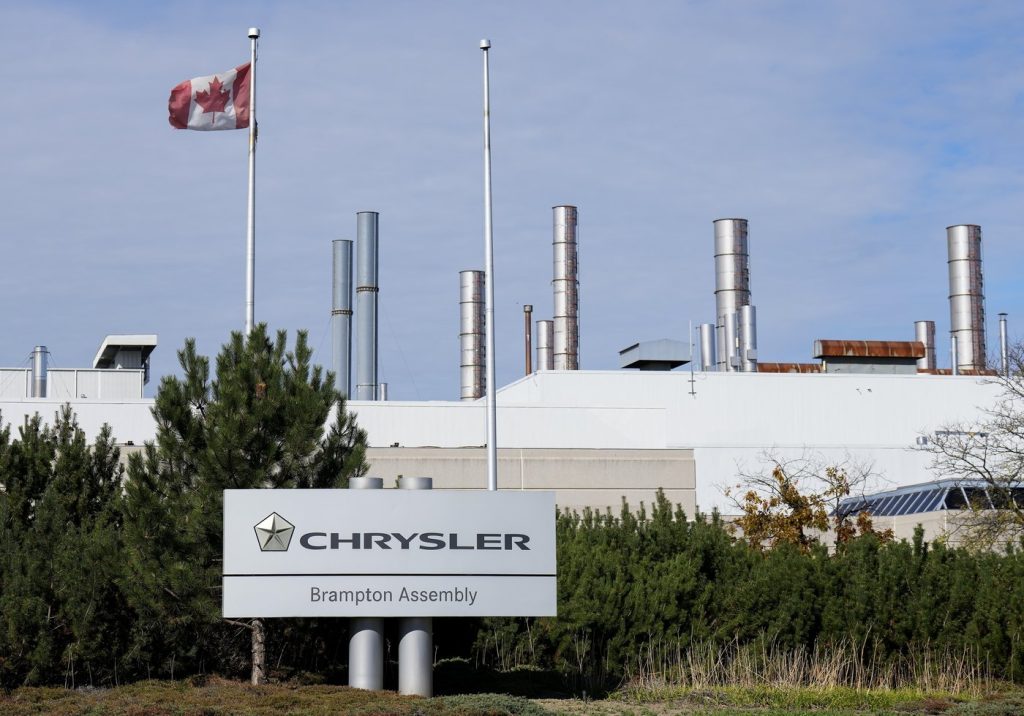
For the past four decades, Brampton has established itself as an auto city. However, this status is now at risk following Stellantis’s announcement in October regarding the relocation of its planned production of the Jeep Compass from Brampton to Illinois. This decision has already prompted hundreds of workers to leave for job opportunities at the Windsor plant, leaving thousands more in a state of uncertainty regarding their future employment.
In response to this looming crisis, Brampton is actively working on diversifying its economy. The city is strategically shifting its focus from traditional sectors such as auto manufacturing and food production to more advanced domains, including aerospace, defense, and advanced manufacturing. This proactive economic diversification plan is creating several safety nets that aim to protect the city from potential tariff-related challenges.
Brampton Mayor Patrick Brown shared his vision for the city, stating, “We love our auto jobs. But I don’t want us to be a single employment community. I don’t think it’s healthy. It’s dangerous, and so we’ve really focused on trying to diversify and look at where the jobs of tomorrow are.” This philosophy is also being embraced by local businesses, such as A Berger Precision, a machining manufacturer that has shifted its focus during the COVID-19 pandemic. After over 20 years of auto-centric production, the company is now exploring new markets.
CEO Alexander Berger explained their strategic diversification plan, stating, “We essentially did a deep dive into the mega trends of 2021 — aerospace defense, hydrogen, EV and medical and electrical infrastructure became areas of interest, and we started preparing for those industries.” These sectors align with the industries that Brampton is courting as part of its economic redevelopment efforts.
According to Mayor Brown, Brampton is also looking towards the space industry for new opportunities. He noted, “We’ve got a number of space companies that are doing incredible work right now. I never would have thought of that, but look at MDA Space; they got the Canada space contract for the International Space Station — a billion-dollar contract. But we’ve got literally a dozen space companies now in Brampton.”
Defense is another promising area for economic growth. Canada intends to increase its defense spending to five percent of its GDP, up from the current two percent, as part of its NATO commitments. Brampton aims to ensure that local companies have the opportunity to secure lucrative military contracts. Roman Shimonov, founder and CEO of Roshel, a leading North American producer of smart armored solutions based in Brampton, shared the impact that the ongoing conflict in Ukraine has had on his business model. Prior to the war, Roshel focused on vehicles used for transporting cash. However, they have since pivoted their production in response to heightened demand for armored vehicles.
Shimonov reported that his company received its first government contract at the onset of the war, delivering eight units, followed by new orders totaling 200 additional units and eventually delivering over 2,200 vehicles. By the end of the year, Roshel anticipates having sent 3,000 units to Ukraine. The company, which employs more than 500 individuals, further announced a joint venture with Algoma Steel to produce ballistic steel for armored vehicles tailored to meet Canada’s defense needs. Shimonov attributes some of Roshel’s success to its location in Brampton, citing the city’s diverse infrastructure and access to skilled labor.
While Mayor Brown acknowledges the negative impact of U.S. tariffs imposed during Donald Trump’s presidency, he sees them as a catalyst for new opportunities. In response, the city has launched multiple initiatives, including the Mayor’s Tariff Taskforce and a “Go Global” exports program designed to assist businesses in marketing their products internationally. Additionally, 271 startups have successfully graduated through Brampton’s Innovation District partners.
Mayor Brown emphasized, “You’ll lose some areas because of tariffs, and we’re trying to make up those job losses by focusing on areas where there is economic growth. So, I think we can chew gum and walk at the same time. I want to chase new jobs, I want to chase investment, but I want to protect the existing ones.” In alignment with this vision, the city has also rezoned the Stellantis plant lands specifically for automotive manufacturing, a decision that Mayor Brown admits was not well-received by the company but may help reinforce its commitment to the facility.