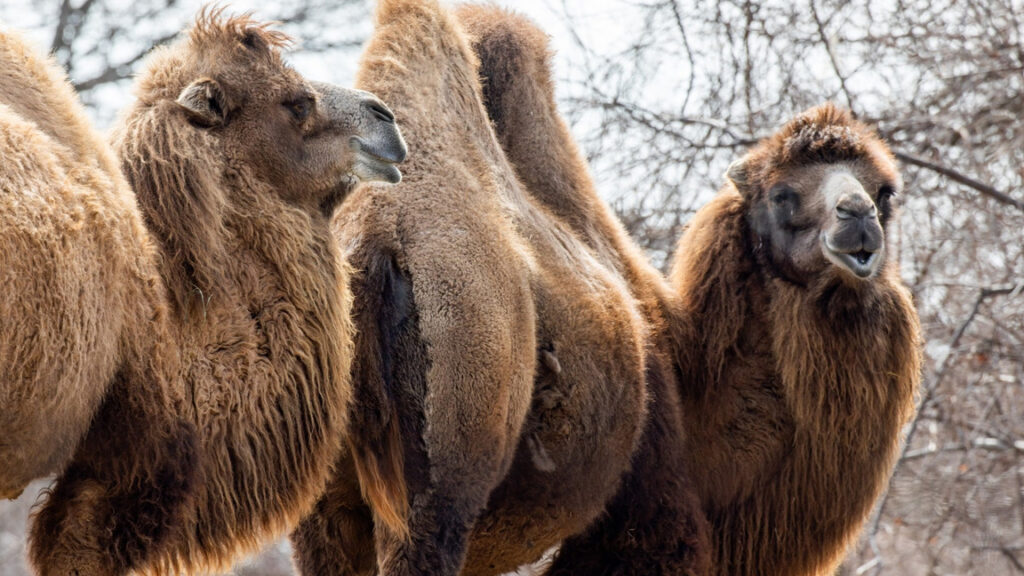
The Toronto Zoo has announced an exciting development in its animal kingdom, as the zoo is anticipating the arrival of a new member to its wildlife family. In a recent social media post on Sunday, officials confirmed that Suria, an 11-year-old Bactrian camel, is pregnant and is expected to give birth in the upcoming weeks.
This will mark Suria's third calf with her male counterpart, Zip. The zoo emphasized that its Eurasia Wilds team is diligently monitoring Suria during this significant journey into motherhood. Suria last gave birth in May 2023, and the staff are keenly observing her pregnancy process to ensure her health and well-being.
Suria's pregnancy was confirmed through ultrasound, a testament to the zoo's commitment to employing modern techniques in wildlife management and care. Bactrian camels, known for their distinct two humps, are specially adapted to survive in harsh environments, which include the extreme temperatures found in the deserts of Central Asia.
Furthermore, the Toronto Zoo highlights the critical conservation status of Bactrian camels, indicating that they are considered critically endangered. There are fewer than 950 of these magnificent animals remaining in the wild, primarily located in remote areas of Mongolia and China. This alarming statistic underscores the urgent need for conservation efforts aimed at protecting these creatures.
The zoo reiterated the importance of wildlife conservation and emphasized the vital role accredited institutions, like the Toronto Zoo, play in safeguarding species such as the Bactrian camel for future generations. This situation not only reflects the successful breeding programs in place but also serves as a narrative showcasing the zoo's commitment to educating and raising awareness about endangered species.
Anticipation is building for Suria's upcoming birth, and the zoo encourages visitors and community members to engage with the conservation message and support their ongoing efforts. Moments like these are crucial for fostering a deeper appreciation for wildlife and the collaborative work needed to ensure the survival of at-risk species.