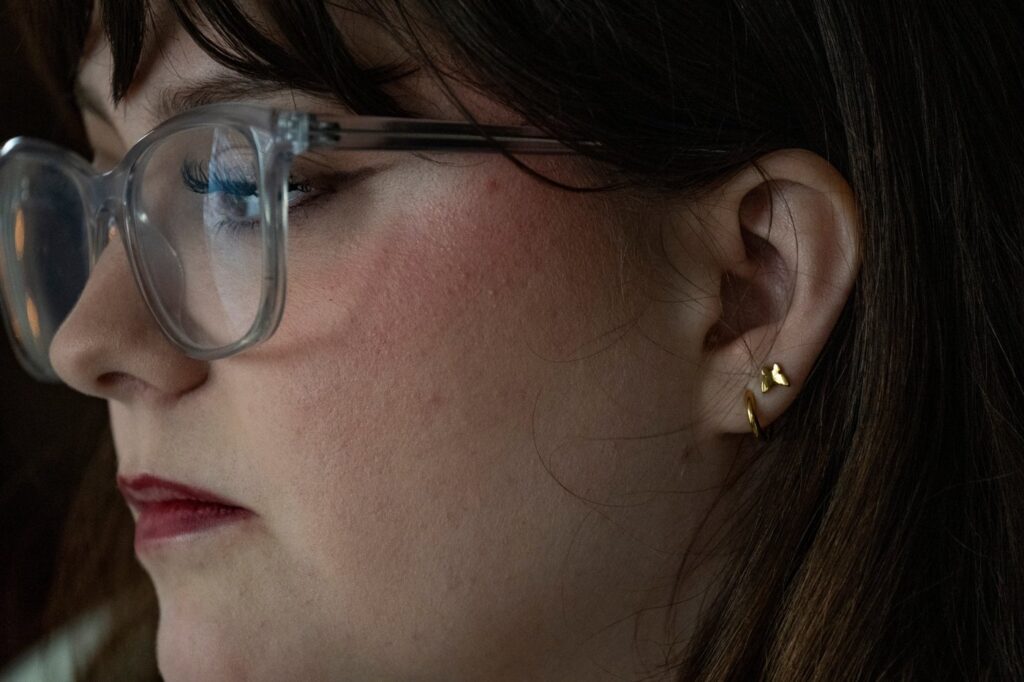
At the tender age of 13, Kate entered a residential treatment center, grappling with a profound fear of the dark and the emotional turmoil stemming from her adoption. Her adoptive parents sought help, hoping to heal Kate’s unresolved pain about her birth mother. Kate felt an immediate need for a nightlight due to past trauma, having experienced sexual assault at another facility. However, her roommate turned it off, triggering a panic attack that led to her being restrained by staff for what felt like an eternity, an act they labeled as being “out of instructional control.”
Kate's journey through various facilities became a protracted ordeal, lasting throughout her adolescence until she could exit as an adult. Her placement in the Utah facility marked her third experience within a problematic network known as the “troubled teen industry.” This industry, characterized by unregulated, for-profit residential treatment centers, wilderness programs, and boarding schools, ultimately targets vulnerable populations, including adopted children. Notably, although adoptees represent only 2% of American children, they account for an alarming 25-40% of those in residential treatment.
Many adoptees viewed these institutions as shadow orphanages, contradicting the promise of “forever homes” but instead facing institutionalization, often for extended periods, in harsh environments. These facilities charge exorbitant fees, sometimes as much as $20,000 per month, with marketing that suggests they address reactive attachment disorder (RAD). However, experts assert that most teenagers placed in these facilities likely do not have RAD, nor do the treatments offered align with research-supported practices.
The Associated Press (AP) conducted an extensive investigation, uncovering distressing realities faced by children in these centers. Reports indicated that children as young as nine have experienced exposure to violence, chaos, and sexual abuse within these facilities. Many individuals who were placed in such treatment programs reported leaving in more traumatized states than when they arrived, or in some tragic cases, did not leave at all. Restraints, strip searches, punitive labor, and limited communication with the outside world were prevalent, leading to an environment often described as prison-like, devoid of judicial oversight.
Kate’s experiences spotlight the misdiagnosis of behavioral issues stemming from early neglect as RAD, a condition that is primarily meant for very young children neglected in orphanages. Experts like psychologist Brian Allen suggest that applying RAD as a diagnosis for older children is a misinterpretation closely tied to behavioral challenges rather than pathological failure to connect, further complicating treatment approaches.
Facilities like Uinta Academy, where Kate spent considerable time, employed regimented approaches, isolating behaviors deemed inappropriate and enforcing severe punishments for infractions. The oppressive atmosphere left Kate feeling emotionally drained and disconnected, mirroring the experiences reported by many others who attended similar institutions. This for-profit model, driven by a demand for rapid solutions from desperate parents, often resulted in overreaching claims about treatment efficacy.
While the industry has roots in therapeutic approaches, it has transitioned towards a profit-centric model in recent years, fueled by public funding and private equity investments. Such dynamics have prompted calls for increased regulation as troubling infraction patterns persist across facilities. The tragic outcomes, including suicides and deaths of children in care, have prompted government scrutiny, but accountability remains elusive.
Biruk Silvers, a 17-year-old boy from Ethiopia placed in Discovery Ranch, tragically died under circumstances that raised serious concerns about the facility’s treatment practices. His case exemplifies the ongoing issues within the industry, with repeated warnings about safety breaches that did not result in lasting change. This highlights a dreadful reality for many children placed in these facilities, often left in unsafe conditions without adequate mental health care.
In sum, the troubling narratives emerging from the treatment centers underscore a substantial gap between the services promised and the realities experienced by children and their families. The intersection of profit motives and inadequate oversight undermines the very purpose of these institutions, leaving many children, including adoptees like Kate and Biruk, to face enduring struggles well beyond their time in care.