Canada is currently facing an unprecedented wildfire crisis, with over 950 wildfires raging across the country, according to the national wildland fire summary. Approximately 241 of these fires are reported to be out of control. This dire situation has led Environment Canada to issue air quality warnings extending from British Columbia (B.C.) to Quebec, as well as affecting the Northwest Territories.
BRITISH COLUMBIA
In British Columbia, nearly 115 wildfires are actively burning, with a significant majority initiated by lightning strikes. Alarmingly, two-thirds of these fires are currently classified as out of control. Most of the new blazes, along with associated evacuation orders and alerts, are concentrated in the southern B.C. Interior. Recently, approximately 130 properties near Big Bar Lake and Meadow Lake in the southern Cariboo region, north of Vancouver, were ordered to evacuate due to an encroaching wildfire, which had spread over approximately 40 square kilometers by Friday evening. Additionally, two significant wildfires known as the Brunswick Complex are continuing to burn in the Fraser Canyon region. In response to the crisis, more than 500 firefighters have been deployed across the province.
MANITOBA
Moving eastward, Manitoba is also grappling with multiple out-of-control wildfires in its northern region. One particularly concerning wildfire has prompted the evacuation of around 600 residents from the remote community of O-Pipon-Na-Piwin Cree Nation since June 26. This fire is estimated to cover an area of 172 square kilometers. The wildfires have resulted in air quality warnings from Environment Canada, which highlighted that smoke from both local fires and those in northwestern Ontario is contributing to poor air quality and diminished visibility in the province.
NORTHWEST TERRITORIES
The Northwest Territories are witnessing similar challenges. Approximately 1,300 residents from Fort Simpson and 130 from Wrigley have been forced to evacuate their communities in late June. Many evacuees have sought refuge in Yellowknife. While there are expectations of cooler temperatures to aid firefighting efforts, officials report that the fire north of Wrigley has moved closer to the community, and the wildfire near Fort Simpson remains unchecked due to persistently hot and dry conditions.
ONTARIO
In Ontario, nearly 200 wildfires are blazing across the province, already burning more land than all the wildfires recorded in the previous year. Premier Doug Ford, currently in Thunder Bay, has noted that many evacuees fleeing the wildfires in northern Ontario have sought shelter in the city, which is experiencing near-capacity hotel bookings. To combat the wildfire situation, Ford has stated that more than 150 fire crews, in addition to over 80 water bombers and helicopters, are currently engaged in firefighting efforts.
NOVA SCOTIA
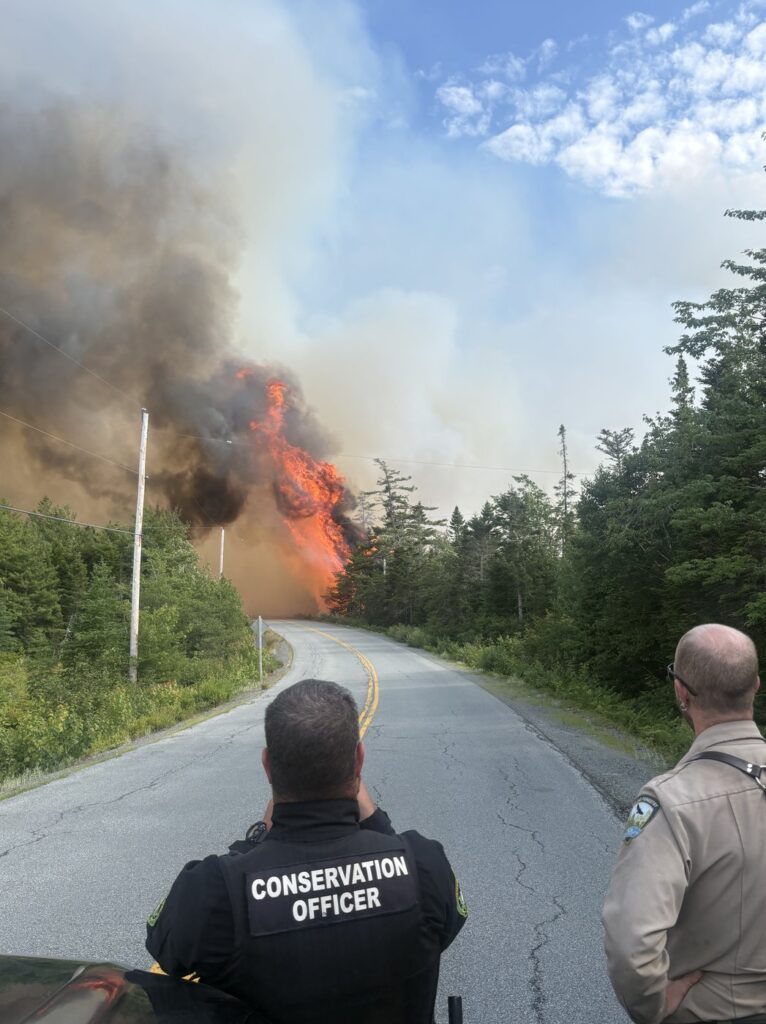
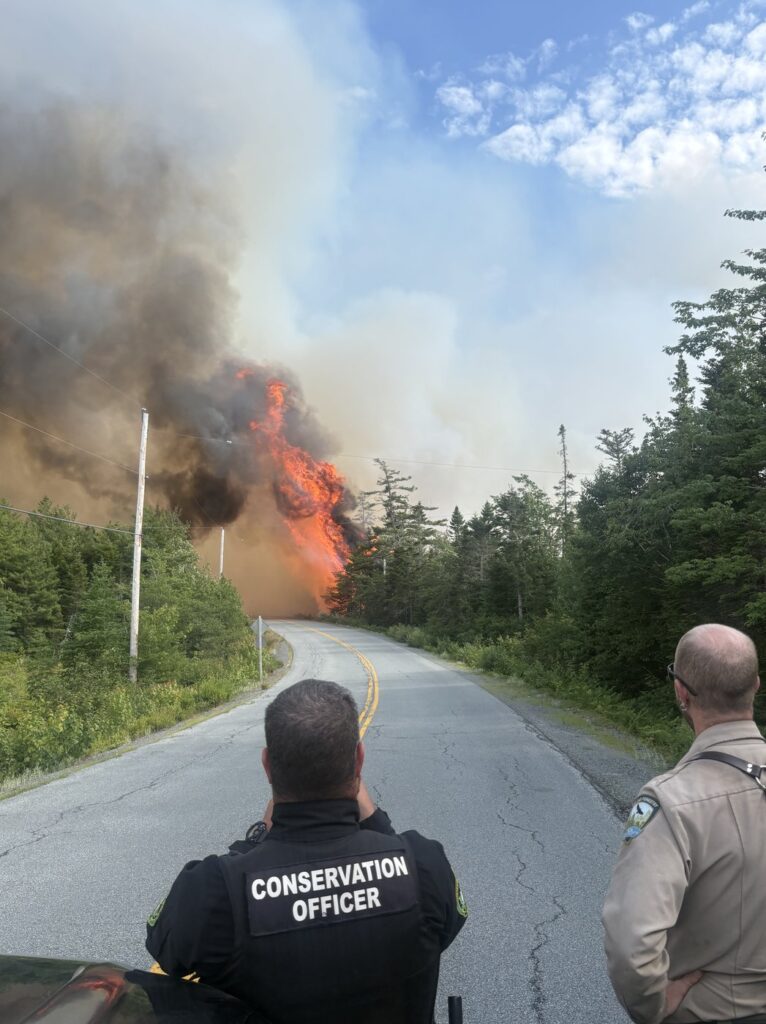
Furthermore, crews in Nova Scotia are battling an out-of-control wildfire located northeast of Halifax, which has now spread to cover nearly 14 square kilometers. The province's Natural Resources Department has mobilized two fixed-wing water bombers from Newfoundland and Labrador, along with two helicopters and four water bombers from Nova Scotia to respond to the situation. The Halifax Regional Fire and Emergency has issued a mandatory evacuation order affecting an estimated 100 to 150 individuals from a portion of the rural area on Mooseland Road.