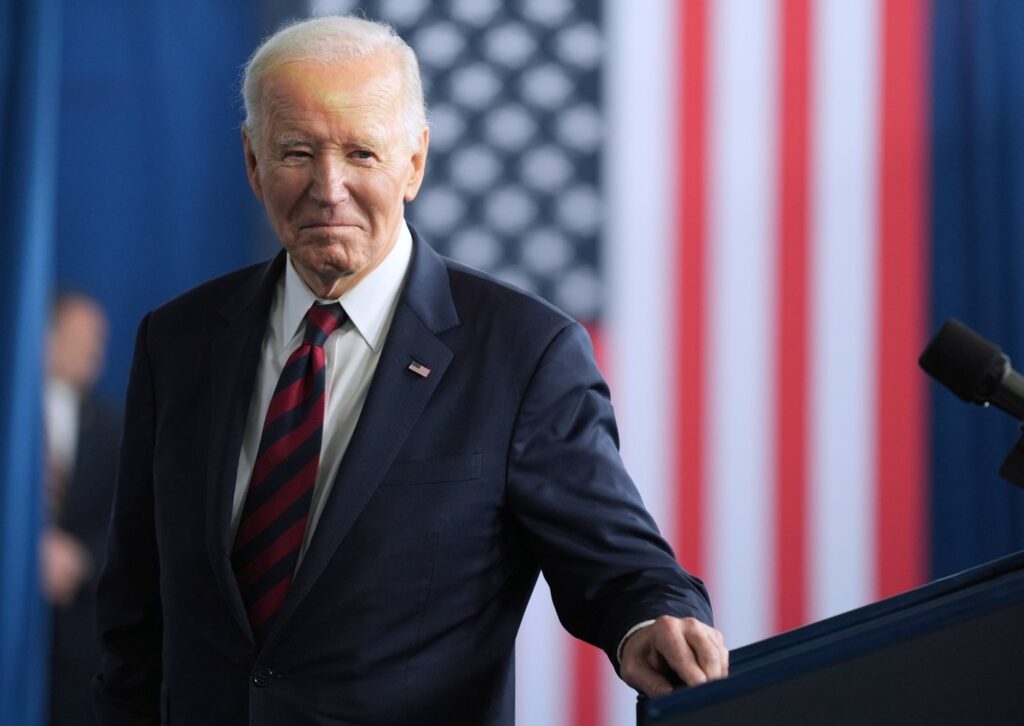
When U.S. President Donald Trump announced a new round of 50 percent tariffs on various Canadian products, the inclusion of hockey sticks drew significant media attention. The tariffs are set to go into effect on August 19.
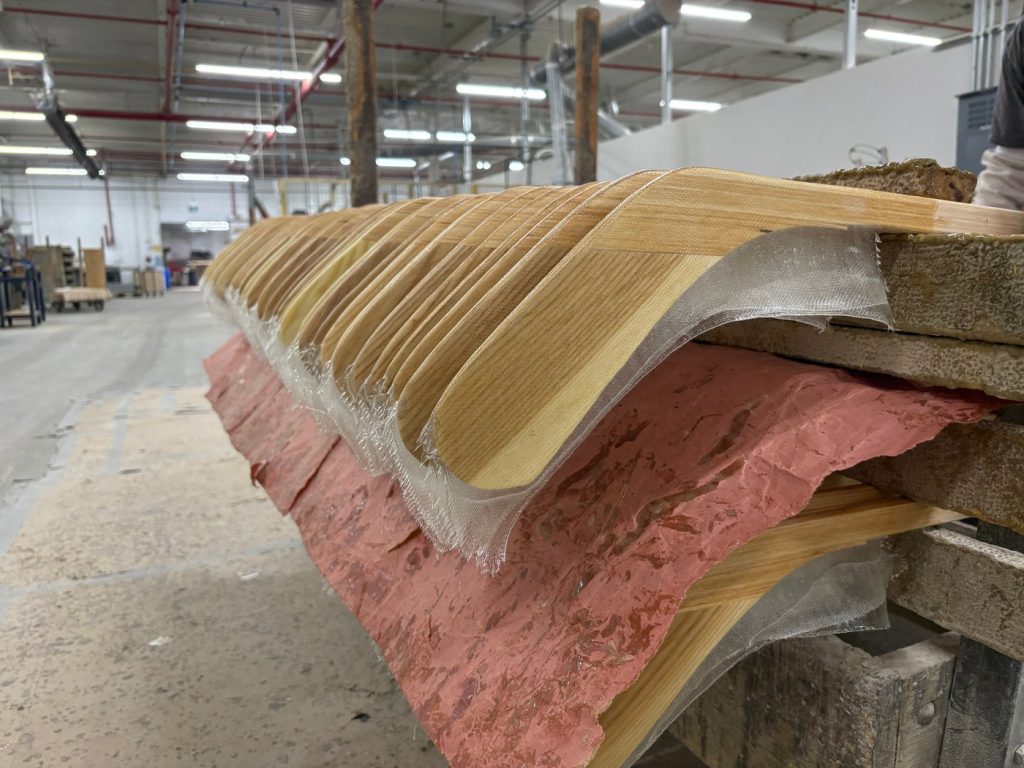
Although hockey sticks are often associated with Canadian culture, the reality is that Canada produces a limited number of hockey sticks and exports even fewer to the United States. Among the few exceptions is Taggs Hockey, a company run by Dan McTaggart and his wife from their home in Guelph. The impending tariffs pose a serious threat to their business.
McTaggart reports selling approximately 1,000 hockey sticks annually, with U.S. sales contributing about 20 percent to his overall revenue. He explained the potential repercussions of the tariffs: “If you were to order a new stick today and then a new tariff is imposed… while the stick is being built, that price that you paid two months ago could be inflated significantly by the time it actually crosses the border and gets to an American customer. They are extremely upset when they get a massive bill and I’m obviously upset.”
The potential for increased costs may lead McTaggart to reconsider his sales strategy concerning U.S. customers, a measure he has implemented in the past during Trump’s administration, which is known for its tariff-driven policies. Overall, McTaggart's company, along with Canada, constitutes a minor segment of the hockey stick market, which is predominantly controlled by manufacturers in China.
The question of why President Trump specifically targeted Canadian hockey sticks has raised eyebrows among analysts. Mark Manger, a professor at the University of Toronto's Munk School of Global Affairs and Public Policy, suggests that the move may be more about the symbolism than a serious trade tactic. He believes that the tariffs serve a personal agenda for Trump rather than addressing any significant economic concerns, noting, “I think this falls in the category of needling more than a serious trade measure, there’s no major export of hockey sticks from Canada to the U.S. So it’s not a way to squeeze us economically at all.”
The Canadian Federation of Independent Business (CFIB) echoed Manger's sentiments, asserting that the president's motivations may center on eliciting a reaction. Dan Kelly, President of the CFIB, expressed concern over the implications within the context of the Canada-United States-Mexico Agreement (CUSMA). He stated, “What worries me about this is this is one of the first major incursions into the guts of the CUSMA agreement. It would affect a whole bunch of small and medium-sized businesses that to this point have not had export tariffs added to their list of worries.”
In summary, the proposed tariffs on Canadian hockey sticks by President Trump highlight a complex intersection of trade policy, personal sentiment, and the vulnerability of small businesses like Taggs Hockey in the face of economic and political decisions. The outcome remains uncertain, yet the emerging tensions indicate potential challenges for trade relations between Canada and the United States.