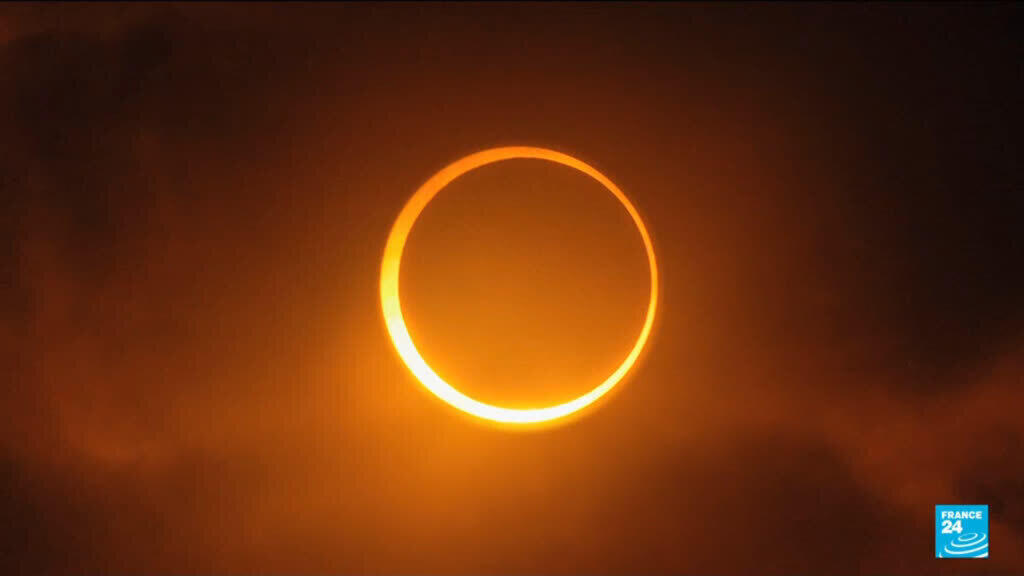
Anticipation Grows for Total Solar Eclipse on August 12 in Northern Spain
On August 12, 2026, a total solar eclipse is set to captivate audiences across northern Spain, marking one of the most significant astronomical events in Europe for the decade. This rare phenomenon has garnered much attention, anticipating that thousands will flock to witness the majestic interplay between the Sun and the Moon. As one celestial body obscures the other, observers will have a unique opportunity to view the Sun’s corona, providing a feast for both the eyes and scientific inquiry.
The occurrence of a total solar eclipse, where the Moon completely covers the Sun, transforms day into night, creating an extraordinary spectacle. With the Moon's shadow racing across the Earth's surface, it provides scientists with a unique opportunity to study various aspects of our solar system. From historical records to modern observations, total solar eclipses have been a source of fascination and inquiry for over two millennia.
Throughout history, solar eclipses have not only captivated the human imagination but also significantly influenced scientific knowledge. The celestial event allows scientists to gather insights into the Sun’s corona—its outer atmosphere—which is usually obscured by the bright light of the Sun. The conditions presented during an eclipse enable researchers to study the corona’s structure and temperature, shedding light on complex solar phenomena such as solar flares and coronal mass ejections.
In addition to the scientific implications, total solar eclipses often elicit profound emotional reactions in those who experience them. Witnesses describe feelings ranging from awe to inexplicable joy, highlighting the profound connection humans have with the cosmos. Animal behavior also changes during these eclipses; birds may retreat to their nests, and nocturnal creatures may emerge, further enriching the experience and allowing for additional avenues of study.
This upcoming eclipse is not just an opportunity for scientific research; it also serves as a reminder of the intricate relationship between humans and the natural world. Observers will gather in places like Asturias and Galicia, regions known for their beautiful landscapes, providing a picturesque backdrop for this cosmic event. The anticipation surrounding the eclipse has spurred local economies, receiving attention from tourism operators and scientists alike, eager to share the spectacle with the public.
As the date approaches, various organizations in Spain are preparing for the influx of visitors. Events and activities related to the eclipse are being organized, including workshops for educating the public on solar physics and safe viewing practices. Some venues are arranging guided tours, ensuring specialists are on hand to offer insights into the celestial phenomena. These initiatives reflect a broader trend of fostering public interest in science and astronomy, encouraging citizens to engage with phenomena beyond their everyday experiences.
In conclusion, the total solar eclipse on August 12 not only stands as a remarkable event in itself but also serves as a catalyst for scientific discovery and public engagement. As anticipation builds, it promises to be an unforgettable experience for both seasoned astronomers and curious onlookers alike. Whether for the awe-inspiring sight of the corona or the critical research opportunities that arise, the events of that day are sure to leave an indelible mark on the cultural and scientific landscape of Europe.