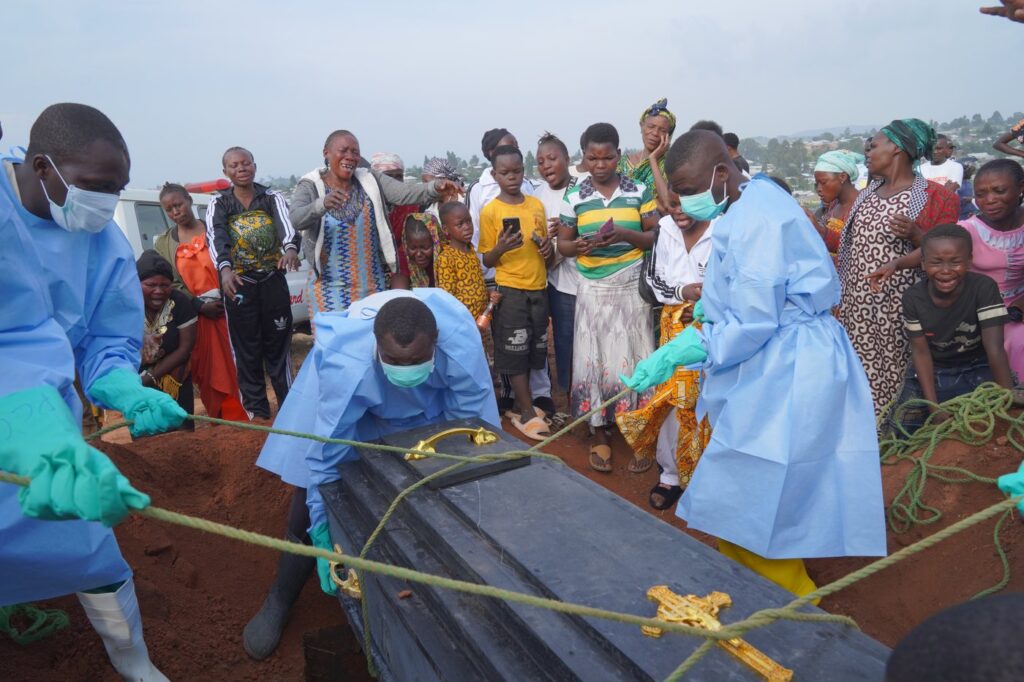
The ongoing Ebola outbreak in the Democratic Republic of Congo is on pace to become the deadliest in history, surpassing the West African outbreak from 2014 to 2016 that claimed more than 11,000 lives, according to the Director-General of the World Health Organization (WHO), Tedros Adhanom Ghebreyesus. He stated this alarming prediction during a press briefing, highlighting that the current outbreak, declared on May 15, has already resulted in over 2,000 deaths from more than 4,300 reported cases.
The situation is unique as the outbreak is driven by the Bundibugyo virus, which is rare and does not have any approved vaccines or treatments available at this time. Despite this, health authorities are actively working on solutions. Reports indicate that genetic sequencing revealed the outbreak may have started months prior to its official declaration, tracing back to February.
Experts express concern over the rapid pace of the outbreak, noting that it is outstripping attempts to contain it, particularly in eastern Congo, which is affected by ongoing civil conflict. The regions facing the outbreak are poorly accessible, with many new infections and fatalities occurring in communities lacking proper healthcare infrastructure. There have also been claims of strikes among health workers due to unpaid wages, adding to the challenges faced in combating the outbreak. Misinformation surrounding the virus contributes to hesitance among local populations to seek medical assistance, further complicating control efforts.
WHO officials, including Dr. Abdirahman Mahamud, have predicted that the peak incidence of the outbreak could occur within six months, indicating that this is a moderate estimate. However, scenarios exist where the outbreak could extend from nine to twelve months if containment measures are ineffective. Current patterns show that this outbreak is claiming lives at a faster rate than the previous Ebola outbreaks, previously marked by at least 28,000 cases in the 2014-2016 episode, which took eight months to see its first 1,000 deaths.
As part of the response to the outbreak, two candidate vaccines targeting the Bundibugyo virus are currently undergoing human trials in Ituri, the province most affected by the outbreak. Additionally, the WHO is exploring whether an existing Ebola vaccine might provide protection against the Bundibugyo virus after preliminary studies in animals yielded promising results.
Research continues into the origins of this outbreak, with findings from a recent study published in Nature Medicine suggesting that the virus responsible for the current outbreak likely jumped from a wild animal to humans, rather than originating from previous outbreaks of the virus. Genetic analysis shows that the strains involved are distinct from those involved in earlier Bundibugyo outbreaks in 2007 and 2012.
In summary, the situations surrounding the Ebola outbreak in Congo are dire and reflect complex challenges, including infrastructural limitations, regional conflicts, and public misconceptions. Authorities and health organizations are striving to implement effective strategies and testing initiatives to manage and ultimately control the outbreak.