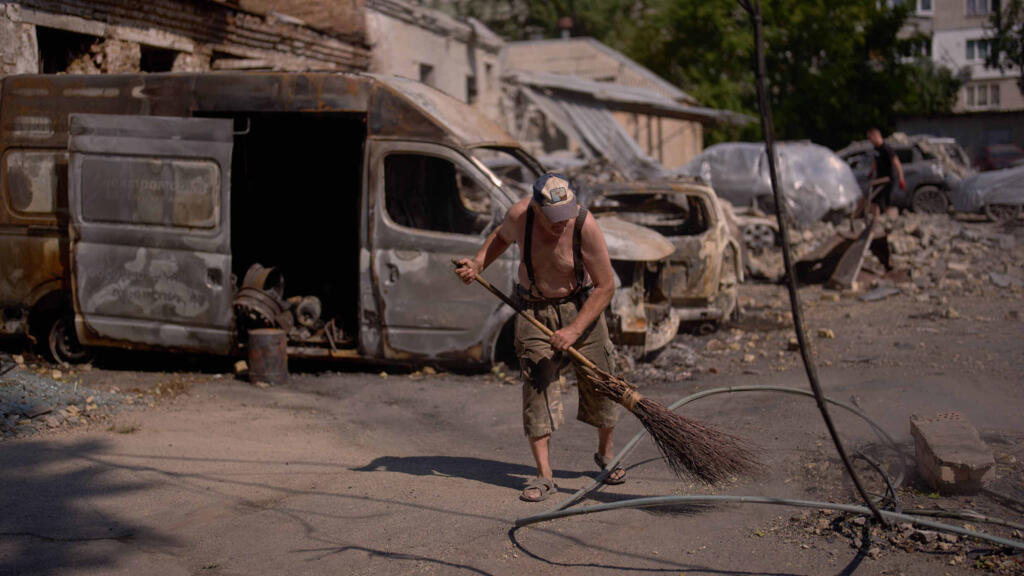
Local authorities reported that at least two people were killed early Saturday following a series of Russian strikes targeting Ukraine. This incident is part of an ongoing escalation in violence, as the region continues to grapple with the impacts of the conflict that has persisted for months. The recent assaults underline the alarming trend of civilian casualties as military actions intensify.
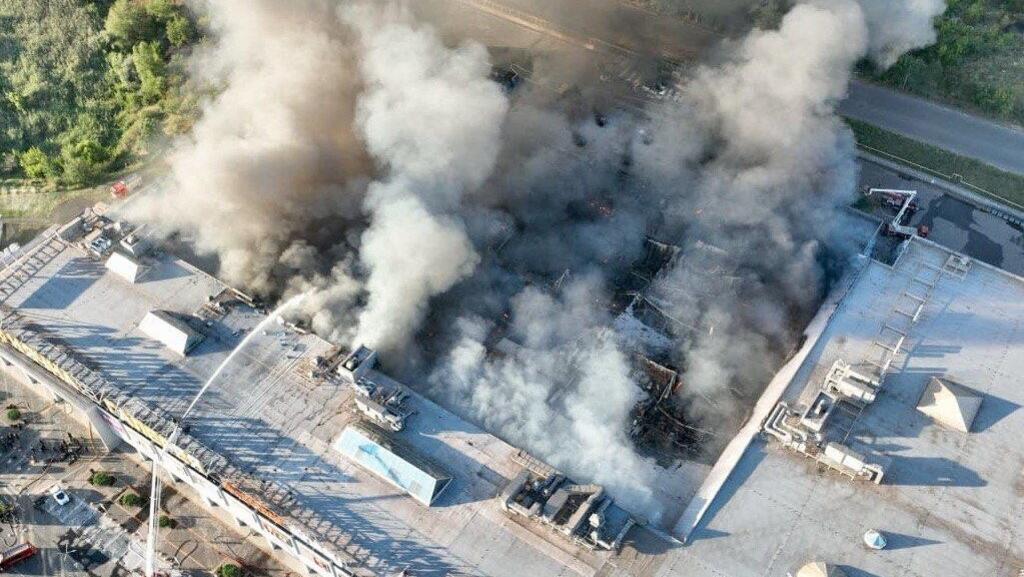
The strikes on Saturday came on the heels of a devastating series of bombings that occurred on Friday, resulting in the deaths of at least 20 individuals across Ukraine. Notably, among those killed were 16 people who fell victim to a daytime drone attack on a busy shopping centre in Kryvyi Rih, the hometown of President Volodymyr Zelensky. This attack on a civilian space has raised serious concerns regarding the safety of everyday life in Ukraine, exposing the vulnerable nature of public gatherings amidst the ongoing conflict.
Kryvyi Rih has become a focal point in the recent hostilities, as the shopping centre was filled with individuals going about their daily routines when the drone strike occurred. The death toll and injuries reported from this attack highlight the tragic consequences of aerial assaults in populated areas, an issue that has drawn widespread condemnation from international observers and human rights organizations.
In light of these events, the Ukrainian government and military leadership continue to call for increased support from global allies, stressing the necessity for advanced defensive capabilities to protect civilians. The escalating violence exacerbates the humanitarian crisis in the region, as more citizens are displaced and essential infrastructure is damaged or destroyed. The resilience of the Ukrainian people is being tested as they endure continuous threats to their safety and well-being.
The international community is watching closely as the situation unfolds, calling for an immediate ceasefire and expressing solidarity with the Ukrainian population. The recent attacks serve as a grim reminder of the ongoing instability in the region, and the urgent need for diplomatic efforts to achieve a resolution to the conflict. As casualties rise and communities suffer, it becomes increasingly imperative for decision-makers to act swiftly to prevent further loss of life.
```