The Dark Legacy of the Congo Pavilion at the 1894 World's Fair in Antwerp
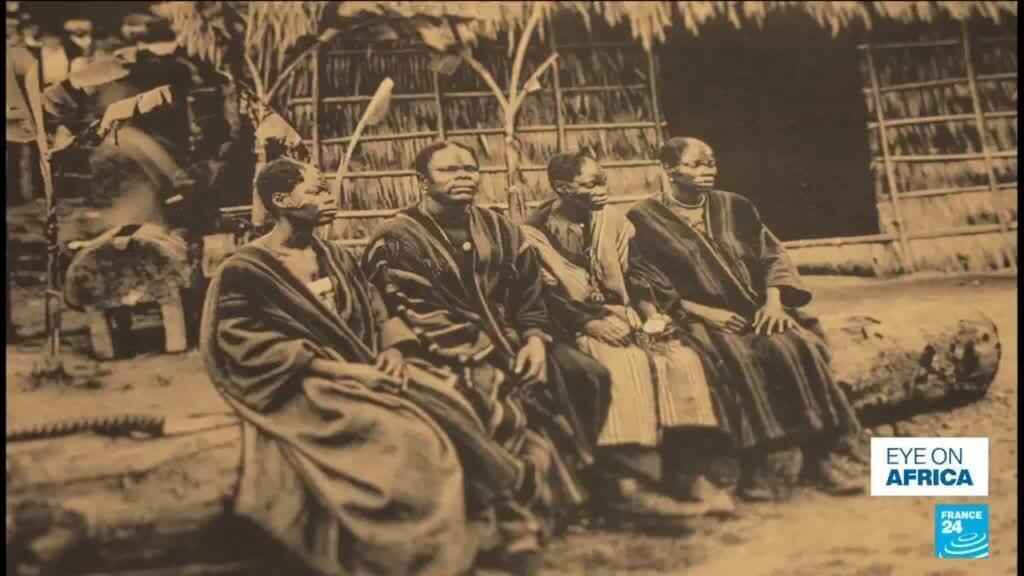
In 1894, the Belgian city of Antwerp hosted a World's Fair that became a stage for one of the gravest violations of human rights in colonial history. Among the exhibits was the Congo Pavilion, which displayed over a hundred Congolese people as part of a disturbing "human zoo." This exhibit aimed to showcase the so-called "exotic" lifestyle of the Congolese, reinforcing stereotypes and justifying colonial rule. Tragically, the experience was far from an innocent display; it was an embodiment of exploitation and dehumanization.
Forced Exhibition and Its Consequences
The Belgian authorities forcibly brought more than a hundred Congolese individuals to Antwerp, stripping them of their dignity and reducing them to mere spectacle. These individuals were subjected to harsh conditions, reflecting the broader neglect of colonial powers towards the people under their rule. The horrific living conditions in the Congo Pavilion led to disease, and ultimately, seven Congolese men lost their lives during the exhibition. Their deaths underscored the inhumane treatment and disregard for the wellbeing of the exhibited individuals.
The Legacy of Colonial Violence in Belgium
The events of 1894 continue to resonate deeply within Belgium, as a painful reminder of the country's colonial past and the violence that accompanied it. The legacy of the Congo Pavilion serves as a stark representation of the broader themes of exploitation, racism, and colonialism that have marred Belgium's history. Moreover, the event highlighted the lengths to which colonial powers would go to showcase their dominance and dehumanize those they sought to control.
Commemoration and Reflection
In a bid to confront this dark chapter in its history, Belgium unveiled a monument this year commemorating the victims of the Congo Pavilion. This monument serves not only as a tribute to those who suffered but also as a catalyst for conversation about Belgium's colonial legacy. The initiative aims to encourage reflection on the past and to acknowledge the deep scars left by colonialism, particularly regarding Belgium's relationship with the Democratic Republic of the Congo.
Continued Dialogue on Colonial Atrocities
The unveiling of the monument has prompted discussions about the importance of acknowledging historical injustices and fostering healing. In Belgium, there is a growing movement advocating for a more transparent reckoning with the colonial past, urging educational reforms and public acknowledgment of the atrocities committed during colonial rule. As society grapples with this history, the monument stands as a necessary reminder of the need for truth, reconciliation, and restorative justice.
Moving Forward: A Collective Acknowledgment
The Congo Pavilion incident is not merely a relic of the past; it is a reflection of structural inequities and prejudices that continue to affect relations between Belgium and its former colonies. The ongoing debates about reparations and the restitution of artifacts taken during the colonial era are part of a broader initiative to address historical wrongs. Acknowledging the trauma inflicted on the Congolese people is essential for Belgium as it seeks to build a more inclusive and equitable future.
In conclusion, the unveiling of the monument to the victims of the Congo Pavilion is a critical step toward recognizing and addressing the atrocities of Belgium's colonial past. It serves as an emblem of hope for improved relations between Belgium and the Democratic Republic of the Congo and highlights the importance of remembering and learning from history to prevent such violations from occurring in the future.