On the evening of September 26, 2022, a significant act of sabotage occurred in the Baltic Sea, leading to the explosions of three out of the four pipelines that make up the Nord Stream 1 and Nord Stream 2 gas networks. This incident stands as one of the major acts of sabotage since World War II, reshaping the landscape of energy supplies in Europe. The explosions caused the release of approximately 465,000 metric tons of methane into the atmosphere, a potent greenhouse gas that exacerbates climate change.
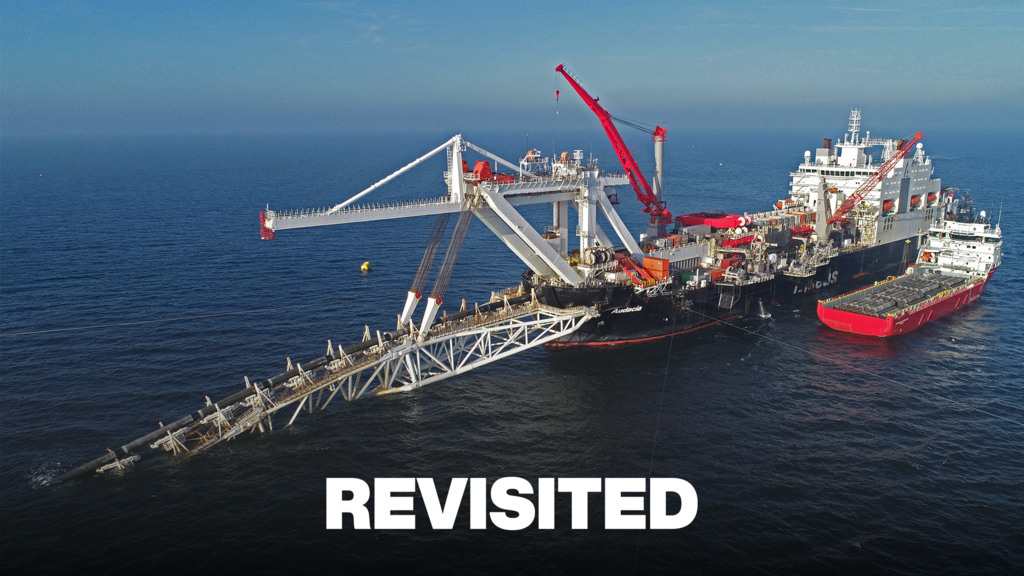
The Nord Stream pipelines have historically served as vital conduits for Russian natural gas to Europe, particularly Germany. For many years, they symbolized the deep-rooted energy ties between Russia and Germany, contributing to Europe's energy security and economic stability. However, following the explosions, these crucial links appear to have been severed permanently, representing a significant shift in geopolitical dynamics.
In the wake of the sabotage, investigations began regarding the responsibility for this critical incident. Various parties, including Western nations and the Russian government, have exchanged accusations, raising tensions further. The mystery surrounding the perpetrators has fueled speculation and conspiracy theories, leading many analysts to consider the wider implications of this sabotage on European energy politics.
The environmental impact of the explosions is also a cause for concern. The release of methane, a gas far more effective at trapping heat in the atmosphere compared to carbon dioxide over a short period, poses immediate threats to the environment. Such a large-scale emission not only contributes to global warming but also raises questions about the oversight and security measures of critical infrastructure in European waters.
The Nord Stream incident is not just an isolated event but a reflection of broader geopolitical tensions between Russia and Western nations. With the ongoing conflicts, particularly following Russia's invasion of Ukraine, the energy landscape of Europe has been under intense scrutiny. Countries in the EU, previously reliant on Russian energy, are now actively seeking alternative sources, accelerating the transition to renewable energy and energy independence.
This act of sabotage has mobilized discussions about energy transit routes, security protocols, and the reliability of energy supplies in Europe. The incident illustrates the fragility of energy networks and the potential for geopolitical motivations to directly impact infrastructure. As nations recalibrate their energy strategies, the focus is shifting towards enhancing resilience against future disruptions.
In conclusion, the explosions at the Nord Stream pipelines on September 26, 2022, mark a turning point in European energy relations and raise numerous questions about environmental consequences, geopolitical tensions, and the future of energy supplies. The ramifications of this event are likely to be felt for years to come as Europe adapts to a new energy landscape shaped by vulnerability, conflict, and the urgent need for sustainable alternatives.