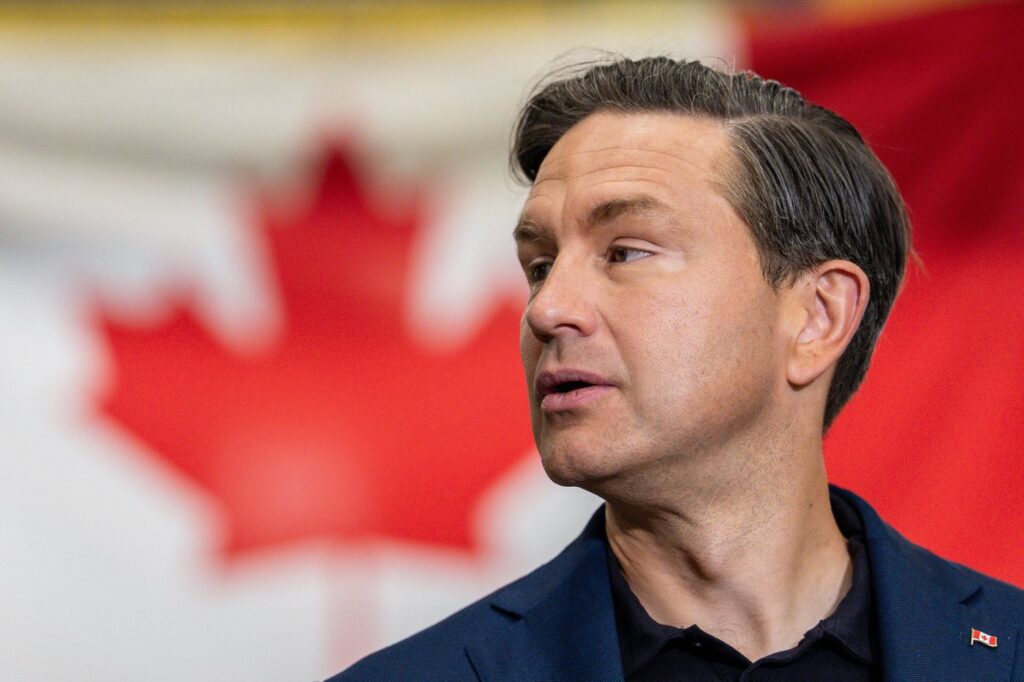
BRANTFORD — Pierre Poilievre, the leader of the Opposition Conservative Party, is firmly opposing Canada's potential move to become an associate member of the European Union (EU). In a rally held in Brantford, Ontario on Sunday, Poilievre asserted that Canada will "never be the 28th state" of the EU, emphasizing his resistance to deeper ties with Europe.
His remarks come in the context of Prime Minister Mark Carney's efforts to enhance Canada's relations with Europe, especially amid escalating trade tensions with the United States. Last week, during a visit to the European Parliament, Ursula von der Leyen, President of the European Commission, expressed her desire to see Canada become the first "associate member" of the EU.
Carney welcomed von der Leyen's ambition for a partnership, although the details of such an arrangement remain unclear. The House of Commons is expected to discuss and vote on the partnership proposal, highlighting the contentious nature of the discussions surrounding Canada's future ties with the EU.
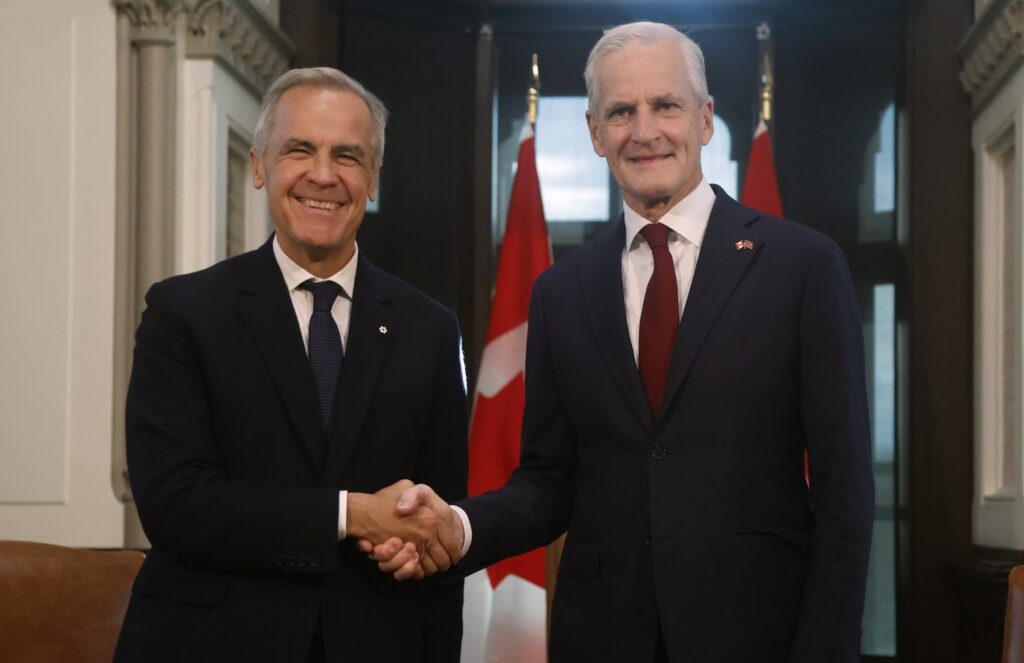
Adding to the debate, U.S. President Donald Trump recently labeled Canada's potential EU membership as a "hostile act." During a news conference, both Carney and Norwegian Prime Minister Jonas Gahr Store addressed Trump's comments, with Carney stating that strengthening ties between NATO allies, including the United States, can enhance overall security and help achieve common goals. He emphasized that a stronger Canada can contribute positively to its international partnerships, underscoring the benefits of an interconnected economy.
At the rally, Poilievre argued that Canada already has robust free trade relationships with Europe and strong defense links through NATO. He expressed his opposition to European laws, taxes, and what he called “reckless European-style immigration” being imposed on Canada. Poilievre has also criticized the idea of governance influenced by foreign capitals, asserting that significant decisions affecting Canada should be made by Canadians themselves.
Carney has previously indicated interest in expanding various collaborative efforts between Canada and Europe, including enhancing opportunities for youth and creating an integrated market for financial services. However, Poilievre's comments highlighted his focus on domestic issues, particularly the affordability crisis that Canadians are facing with rising housing and grocery costs. He proposed additional gas tax breaks and reductions in federal spending on foreign aid and consultants as potential solutions.
During the rally, Poilievre announced that Brantford Mayor Kevin Davis would be the Conservative nominee for the newly vacant riding of Brantford-Brant South. This announcement follows the resignation of former Conservative Member of Parliament Larry Brock, who had held the seat for five years before leaving to return to the Crown attorney's office. Notably, Brock is one of seven Conservatives who have departed the party since the last election, with four choosing to join the Liberals.
Some rally attendees expressed discontent during the announcement of Davis as the nominee, reflecting the mixed sentiment regarding his leadership. Davis's tenure as mayor has been complicated, as he won the city’s top position by a narrow margin of around 200 votes in the 2022 elections against runner-up Dave Wrobel. Compounding his challenges, Davis announced his intention to resign as mayor in 2024, citing ongoing harassment as a significant factor; however, he later decided to complete his term to prevent a costly byelection.
This political landscape in Brantford reflects broader tensions within Canadian politics regarding international relations, economic strategies, and local governance, highlighting the complexities that Canadian leaders face as they navigate these challenging issues.