HALIFAX A seafood processing company from Nova Scotia, Independent Fisheries Ltd., and its president, Xiaoming (Mark) Mao, are seeking more detailed allegations before a $10 million lawsuit against them can continue. The lawsuit has been initiated by the Unified Fisheries Conservation Alliance, representing thousands of independent commercial fishers and associations across the Maritime region.
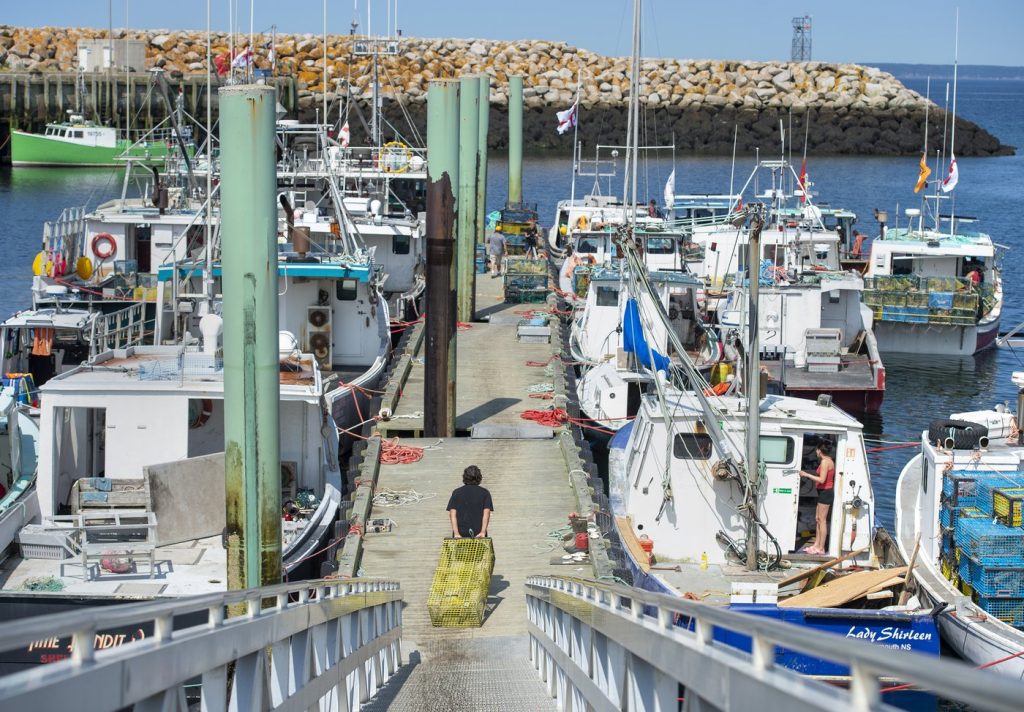
The alliance filed the lawsuit in November 2024, claiming that the defendants, including Mao and Independent Fisheries, as well as owners of Fisher Direct Ltd. and Seawell Holdings Ltd., participated in a conspiracy to transport, process, and sell illegally caught lobster. The alliance asserts that this alleged conspiracy has led to a decline in lobster stocks in St. Mary’s Bay, a critical fishing area in southwestern Nova Scotia, and has caused damages amounting to $10 million.
Mao and Independent Fisheries contend in their court documents that the allegations lack specificity, which has impeded their ability to prepare an adequate defense. They have requested that the court order the alliance to disclose the identities of the lobster harvesters who were allegedly harmed, along with the names of all supposed conspirators, and the specific dates and details of the alleged infractions. The defendants argue that without this information, they are unable to properly respond to the claims being made against them.
In January, a judge dismissed the motion filed by Mao and Independent Fisheries, stating that they would have opportunities for disclosure and discovery examinations as the case progressed. The judge noted it would be unreasonable to expect the alliance to include all material facts that are likely only known to the defendants.
Following this dismissal, Mao and Independent Fisheries have appealed the decision, claiming legal errors on the part of the judge and asserting that it inflicted a "patent injustice." A court hearing regarding the appeal took place last week, but no ruling has been made yet.
In a statement, Mao emphasized that Independent Fisheries employs over 80 individuals and operates in full compliance with provincial and federal regulations. He expressed disappointment that their Chinese Canadian ownership structure has been called into question and maintained optimism that the Court of Appeal would find the claims against them legally unfounded. Mao categorically denied any allegations of wrongdoing and expressed hope for vindication through the legal process.
The Unified Fisheries Conservation Alliance, however, maintains that Mao and Independent Fisheries are employing delay tactics by repeatedly requesting more information. The alliance points out that the defendants have yet to file a defense as the litigation approaches its two-year mark. Michel Samson, the attorney representing the alliance, urged Mao and Independent Fisheries to proceed with filing their defense so that evidence could be presented to the court.
Additionally, this is not the only legal issue concerning the alliance and St. Mary’s Bay lobster. In 2024, the group sought a ruling from the Nova Scotia Supreme Court to determine whether members of the Sipekne’katik First Nation have the treaty right to fish lobster in the area out of season without commercial licenses. The Sipekne’katik had announced a self-regulated fishery plan in 2020, which the alliance contested in court, arguing that it was unauthorized and detrimental to lobster stocks.
In its submission, the alliance requested a declaration that the federal Fisheries Act and its associated regulations are constitutionally valid and do not infringe upon any treaty rights held by Sipekne’katik. However, that case was dismissed last month on the grounds that the alliance lacked standing to pursue an issue related to Indigenous fishing rights. The alliance has announced plans to appeal this dismissal.
This report outlines the evolving legal battle concerning lobster fishing in Nova Scotia, emphasizing the complexities of fishing rights, regulatory compliance, and the intersection of commercial and Indigenous interests in the region.