U.S. President Donald Trump on Saturday rejected Iran's proposal to reopen the pivotal Strait of Hormuz within a week if the U.S. meets certain conditions. This proposal came amid a backdrop of heightened tensions following recent military actions by the U.S. and Israel against Iran.
Iran had offered to resume talks regarding its nuclear program and reopen the strait within seven days, contingent on the U.S. lifting its naval blockade of Iranian ports, waiving sanctions on Iranian oil sales, and maintaining a ceasefire that would include Lebanon. However, Trump dismissed the offer, asserting that Iran's need to negotiate stemmed from its current struggles, saying, “They want to make a deal because they are losing so badly.” He expressed a willingness to negotiate but emphasized that the terms would need to be more favorable to the U.S.
Following the United Nations gathering of world leaders, reports indicated that Iranian President Masoud Pezeshkian had returned to Tehran from New York. During his address, Pezeshkian refuted Trump's threats to annihilate Iran while highlighting Tehran's openness to diplomatic efforts. Foreign Minister Abbas Araghchi reiterated Iran's stance during a press briefing, affirming the conditions necessary for resuming dialogue on their nuclear program.
Amid these diplomatic discussions, Pezeshkian also provided an update regarding Supreme Leader Mojtaba Khamenei, who has not been publicly seen since the onset of hostilities in February. Pezeshkian, speaking to CBS, asserted that Khamenei has “no specific ongoing health issues" and described a recent lengthy meeting where Khamenei appeared to be in good health. This comes in light of concerns following the reported deaths of Khamenei's family members at the beginning of the conflict.
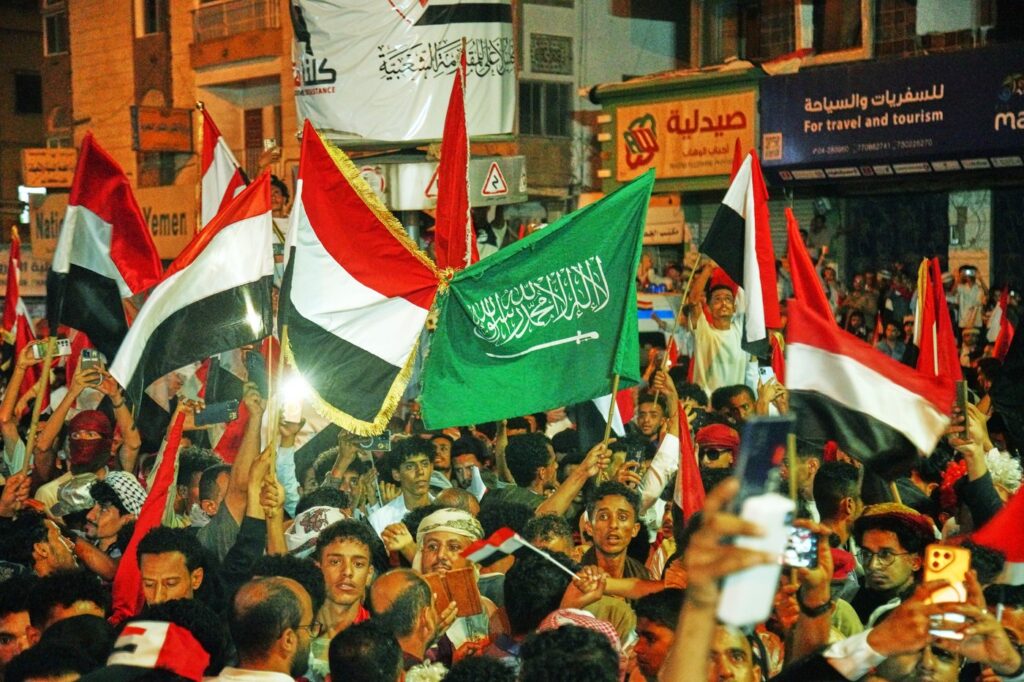
In another development, Saudi Arabia announced early Saturday that its military had intercepted a ballistic missile allegedly launched by Houthi rebels from Yemen. The missile was reportedly aimed at the southwestern city of Khamis Mushait. While the credibility of this claim could not be independently verified, the Gulf Cooperation Council condemned the missile launch as a severe escalation in regional tensions and called for international intervention.
Meanwhile, Iraq has initiated discussions with the U.S. to secure exemptions from ongoing sanctions impacting Iranian airlines. The Iraqi government aims to facilitate humanitarian flights for medical treatment, education, and religious pilgrimages, particularly to sacred sites like Karbala and Najaf, which draw numerous pilgrims from Iran.
Additionally, Trump continued to voice his antagonism towards Iran by posting an image on his Truth Social platform labeling the critical Strait of Hormuz as "Trump Strait." The White House has reported that U.S. officials are engaging in constructive conversations regarding the war in Iran, with recent indirect talks held between the two nations.
On the ground in the West Bank, Israeli settlers have escalated efforts to take control of natural springs and heritage sites, which are essential for drinking water and agriculture. These actions have exacerbated long-standing tensions, as Palestinians contend with restricted access to these vital resources.
This myriad of developments indicates a region in flux, with ongoing military threats, diplomatic maneuverings, and humanitarian challenges continuing to shape the landscape of Middle Eastern politics.