A recent study published by Statistics Canada suggests a significant generational divide in perceptions of democracy among Canadian residents. The report, released on September 29, 2026, indicates that younger Canadians, particularly those aged 25 to 44, are more likely to express feelings of hopelessness regarding the future of democracy in the country compared to their older counterparts.
According to the findings, approximately 25 percent of respondents in the 25 to 44 age group reported being "not at all hopeful" about democracy in Canada. In contrast, respondents aged 65 and older displayed a more optimistic outlook, with about 18 percent feeling very hopeful versus only around 10 percent who felt completely hopeless about the democratic process. The data indicates that the majority of Canadians aged 15 and older tend to be at least a little or somewhat hopeful about the future of democracy.
The study's conclusions are drawn from a comprehensive survey conducted between 2022 and 2024, featuring a targeted sample size of approximately 70,000 individuals. This survey focused on various aspects of democracy, confidence in institutions and information sources, as well as voting behavior. The response rate for the fifth and final panel, during which the hopefulness about democracy was assessed, stood at around 24 percent.
Survey respondents rated their feelings of hopefulness regarding democracy in Canada across four categories, from "not at all hopeful" to "very hopeful." In addition to evaluating their sentiments about democracy, participants were also queried about their trust in civic institutions, confidence in information sources, engagement in voting, and overall political participation.
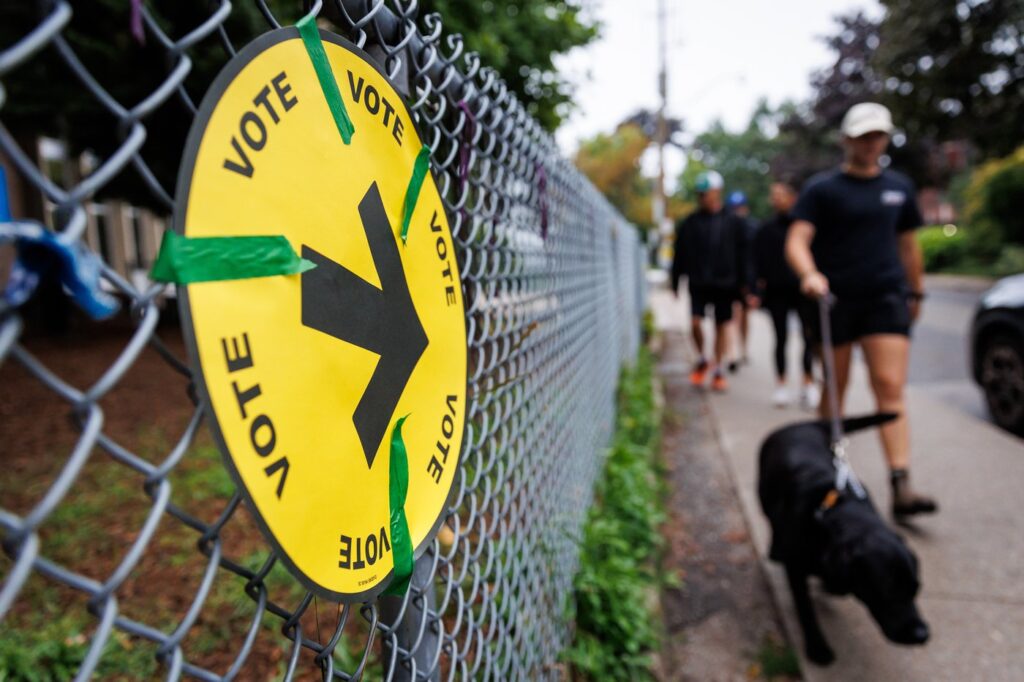
With three significant electoral events approaching in October—provincial elections in Quebec and British Columbia, along with a referendum in Alberta concerning separation—the study’s timing is notable. It reveals geographical disparities in perceptions of democracy, with the Prairie provinces, including Alberta, recording the highest percentage of respondents expressing complete hopelessness at around 25 percent. Meanwhile, British Columbia showed the largest fraction of individuals feeling very hopeful, roughly 15 percent.
Interestingly, the study did not establish a clear correlation between faith in democracy and voter turnout; however, it did note that individuals who reported no hope were more likely to engage in political activities. Furthermore, the findings highlighted that non-immigrants tended to have a bleaker view of democracy compared to immigrants and non-permanent residents. Mental health also played a significant role in these perceptions, as respondents who reported better mental health were more inclined to feel very hopeful about democracy than those who indicated poorer mental well-being.
The report noted that individuals expressing complete hopelessness about democracy exhibited lower levels of trust in scientific experts and civic institutions, including Canadian news media and the justice system. In contrast, these individuals showed greater trust in local businesses and police services. Overall, the data suggested a direct relationship: those with greater faith in democracy also exhibited increased trust in various civic institutions, such as Parliament and the educational system.