WASHINGTON (AP) — The U.S. military is sending approximately 9,000 troops to the Middle East aboard a flotilla of ships, a move confirmed by a U.S. official on Thursday. This increase in military presence comes in response to heightened tensions with Iran, as President Donald Trump has issued fresh warnings regarding potential strikes against the country.
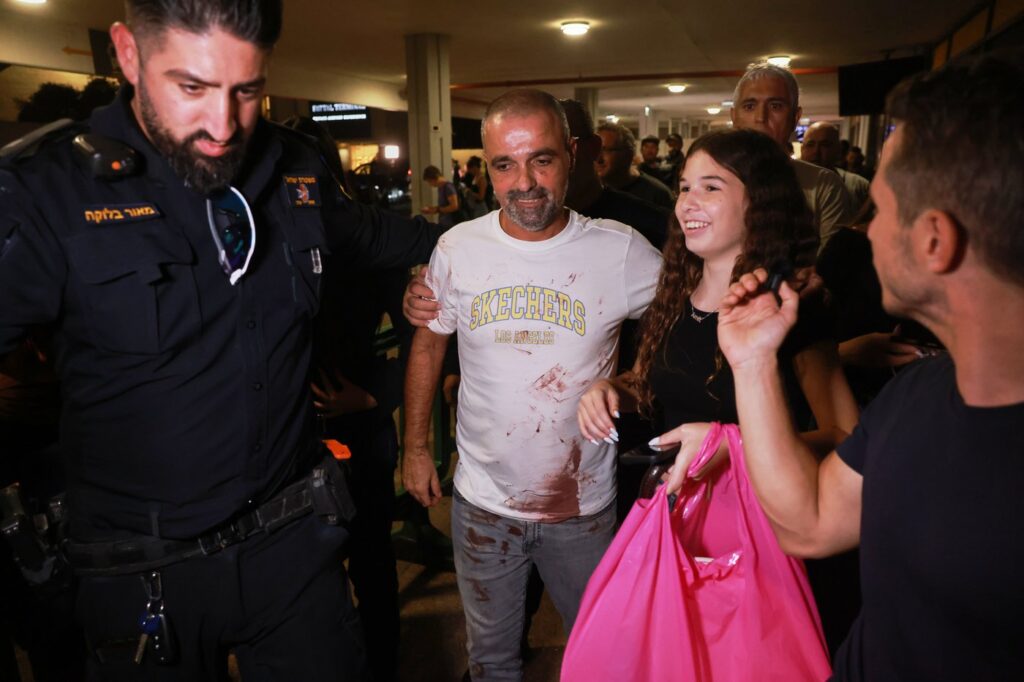
The deployment includes a third aircraft carrier and reflects the fast-changing nature of Trump's military strategy regarding Iran, especially with the midterm elections approaching. Trump’s earlier assertions that military action would be brief now seem more ambiguous, as he contemplates a potential escalation following the elections. Furthermore, indications have emerged linking Iran to a recent incident involving a FlyDubai co-pilot who allegedly stabbed his captain and attempted to crash a flight bound for Israel, complicating the overall situation.
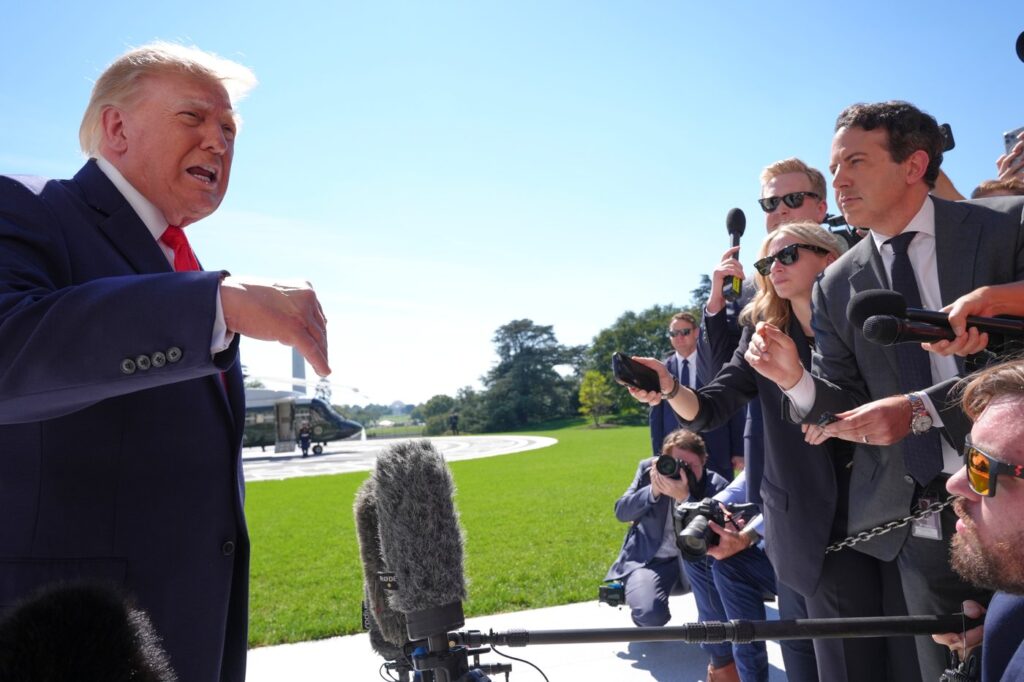
During a press briefing at the White House, Trump acknowledged the possibility of a connection between the pilot involved in the attack and Iran. “I would say the answer, based on what I’m hearing, is ‘yes,’ but we’re working on it right now,” he stated, without providing detailed information. He emphasized that if a connection to Iran is confirmed, the U.S. would respond with force, asserting, “Oh, they’ll be hit very hard, don’t worry.” Israeli Prime Minister Benjamin Netanyahu mentioned in a Fox News interview that the suspect in the FlyDubai incident had undergone “Islamist, radical indoctrination.”
Currently, the ships en route to the Middle East carry over 7,000 sailors and 2,000 Marines, including the USS Theodore Roosevelt carrier strike group and the USS Makin Island amphibious readiness group. This deployment could elevate the U.S. naval presence in the region to over 20,000 personnel, alongside hundreds of aircraft. Previously, a similar number of carrier strike groups was seen in the Middle East in April 2023.
At present, the carriers USS George H.W. Bush and USS George Washington are located in the region, along with the USS Boxer amphibious readiness group. Notably, the USS Washington, typically assigned to the Pacific, was redirected to the Middle East to replace the USS Abraham Lincoln, which completed a lengthy deployment of over 260 days at sea.
In a separate Time magazine interview, Trump elaborated on the possibility of increasing military strikes against Iran after the elections on November 3. Although he refrained from divulging detailed plans, he criticized a recent ceasefire proposal from Iran, deeming it insufficient and mentioning that he wouldn’t accept terms he might have considered just a year prior.
There is a growing sense that the conflict may become increasingly complex as Iran could be shifting to asymmetric tactics. Recent attacks, including the incident with the FlyDubai flight, have raised concerns about Iranian strategies, especially as U.S. forces tighten their grip on oil exports from Iran through blockades while simultaneously easing restrictions on Gulf allies’ oil sales.
On Thursday, British authorities announced the arrest of a dual U.K.-Iran national suspected of plotting a terror attack linked to a U.S.-operated military airbase in England. This came after the arrest of five other individuals, all British nationals, in connection with the incident near the RAF Fairford airbase, which has been utilized by American bombers for operations against Iran.
As tensions continue to mount, there is widespread speculation about how the ongoing conflict might influence the Republican Party’s standing in the upcoming elections. While Trump acknowledged that an unpopular war could pose risks for his party, he maintained that the overarching concern of preventing Iran from acquiring nuclear capabilities might ultimately support his political narrative.