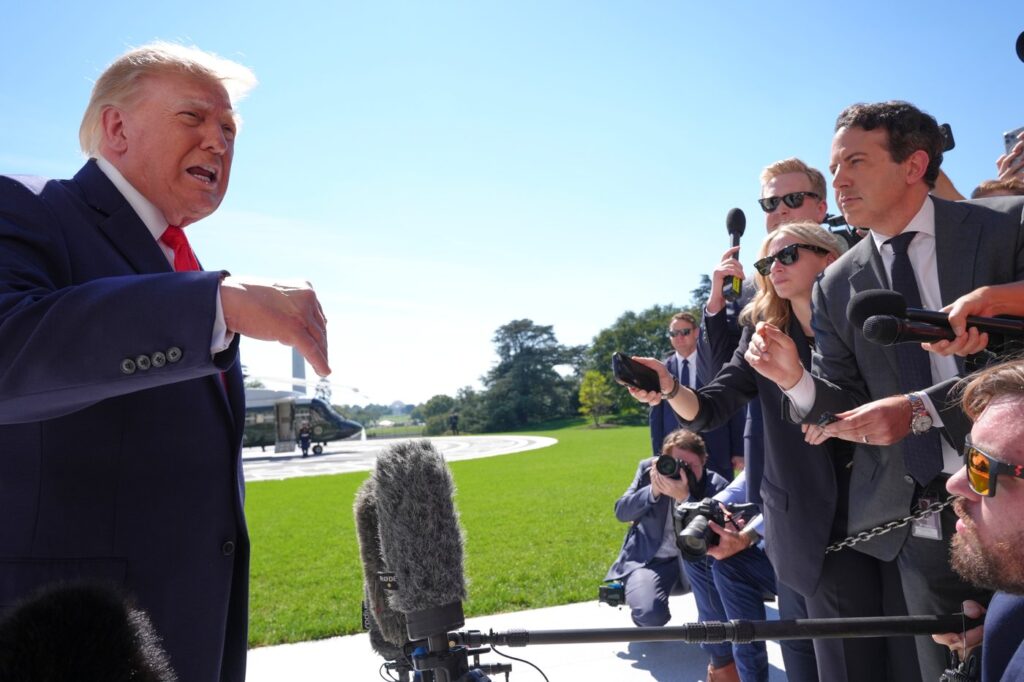
U.S. President Donald Trump has indicated that he may escalate bombing campaigns against Iran following the upcoming midterm elections on November 3. In an interview with Time magazine, he rejected Iran's most recent peace offer, stating it does not meet his expectations from a year ago. Trump has left the possibility of military action open but did not provide details about potential targets.
In Yemen, conflict has surged between Iran-backed Houthi rebels and government forces, raising alarms about the rebels potentially advancing towards Taiz City in southwestern Yemen. Overnight clashes in residential areas have cut off a main road linking Taiz and Aden, according to a local military official. Casualties have already been reported, with six dead and 35 wounded admitted to Al-Thawra Hospital. Renewed violence in Yemen has escalated dramatically, resulting in hundreds of deaths and displacing tens of thousands, while the Houthis have made significant territorial gains following a recent ceasefire.
In a related military development, three U.S. naval vessels carrying over 7,000 sailors and 2,000 Marines are on their way to the Middle East, potentially resulting in three aircraft carriers stationed in the region by the end of October. This increase in military presence comes amid heightened tensions with Iran, especially as the ongoing conflict has now surpassed seven months. The current naval deployment includes the USS Theodore Roosevelt carrier strike group and the USS Makin Island amphibious readiness group, which is supplemented by other carriers already stationed in the area.
On Thursday, a tanker was reportedly hit by an "unknown projectile" while navigating the Strait of Hormuz, though the British military did not specify the source of the attack. This incident has intensified concerns regarding shipping in the strait, a critical passage for global oil and natural gas trade. U.S. military activity in this area has been significantly affected since the outbreak of war with Iran, which began with U.S. and Israeli airstrikes on February 28.
In further developments, the Trump administration recently approved new sanctions targeting Iran's automotive and rail industries, aiming to weaken Iran's economy amid ongoing tensions between the two nations. Entities based in countries such as Indonesia, the UAE, and Germany were named in these sanctions, which particularly affect Iran’s largest auto manufacturers.
Additionally, Trump addressed allegations regarding Israeli Prime Minister Benjamin Netanyahu's awareness of the planned Hamas attack on October 7. The president stated he found it hard to believe that Netanyahu could have been forewarned, as the reports only reached him on the same day of the interview. Nonetheless, Netanyahu has publicly dismissed claims that he was warned prior to the assault.
Amid ongoing tensions, Iran reacted strongly to accusations from British Prime Minister Andy Burnham that linked Tehran to a sabotage plot at RAF Fairford. The Iranian Foreign Ministry summoned the British ambassador to express its protest against what it described as "baseless" allegations and demanded a formal clarification from the British government.
As the day progresses, updates on these developments are expected, reflecting the evolving situation in the Middle East.