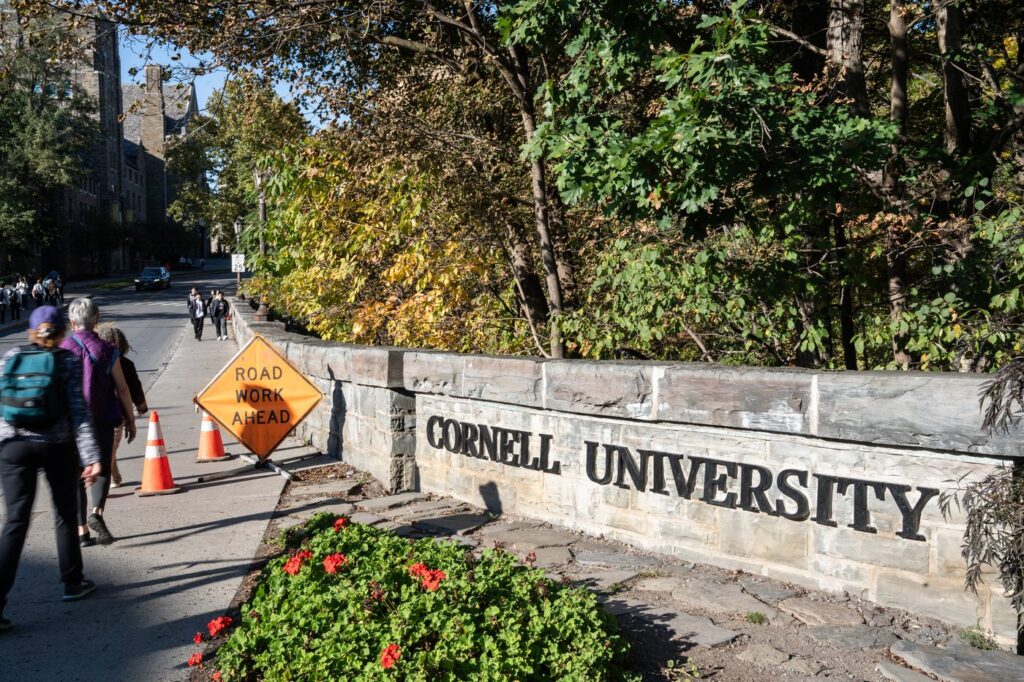
Cornell University’s Faculty Senate voted on Friday to approve a resolution expressing "no confidence" in the institution's top leaders, including President Michael Kotlikoff. This symbolic gesture follows significant unrest on campus after a former student filed a lawsuit alleging she was gang-raped at a fraternity party in October 2024. The resolution passed with a vote of 75-50, with five abstentions and five members not voting, reflecting widespread dissatisfaction concerning the handling of sexual misconduct allegations.
The resolution stemmed from debates among faculty regarding the adequacy of Kotlikoff's administration in addressing the complaints of the student, who is identified as Jane Doe in legal documents. Statements made by supporters of the resolution indicated hopes that the Faculty Senate’s decision might compel trustees to confront and rectify perceived systemic failures regarding sexual misconduct at the university.
Chair of the Board of Trustees, Anne Smalling, acknowledged in a statement the "deep anger" present within the campus community and recognized the unacceptable nature of the alleged incident. However, she expressed confidence in Kotlikoff and his administration’s capability to "thoughtfully and comprehensively" tackle the issue of sexual violence on campus.
The unrest within the Cornell community began in mid-September when Jane Doe filed a lawsuit against the university and seven members of the Chi Phi fraternity, alleging that she was given the drug ketamine and subsequently raped. The accused men denied the allegations, claiming the encounter was consensual or that they were not present during the incident. Initially, local law enforcement sided with the accused, determining no crime had occurred, but the case has since been reopened and transferred to New York’s attorney general for further investigation.
Cornell implemented disciplinary actions following a Title IX investigation. Two students were expelled, two were suspended, and two were mandated to undergo training and write "reflection" papers. One accused individual had already graduated and was barred from campus activities. Furthermore, Kotlikoff established a task force to investigate the issue of sexual misconduct and propose recommendations for improvement.
Critics, including professors and students, argue that Kotlikoff has not done enough to reform the university’s disciplinary processes and efforts to address the prevailing culture surrounding campus parties. Professor Paul Ortiz, a co-sponsor of the no-confidence resolution, has remarked that the Jane Doe case represents only a portion of a more extensive problem regarding sexual violence at Cornell. He noted that many in the campus community have expressed that the current environment is inadequate for addressing sexual assault and misconduct issues.
In response to the Faculty Senate's concerns, Kotlikoff defended his leadership by asserting that the complexities of the situation warrant thoughtful policy-making rather than rushed decisions based on emotional responses. He emphasized that any changes regarding fraternity operations would be contingent on evidence and research.
Some faculty members urged delaying the vote until the release of an independent investigation led by former U.S. Deputy Attorney General Sally Yates. This investigation is intended to scrutinize Cornell's response to Jane Doe’s original report and its overall policies for managing similar allegations.
Yasmeen Masoud, a junior at Cornell, expressed optimism during a news conference following the vote, emphasizing that the decision represents a collective effort among those seeking transparency and accountability from the university administration. Co-sponsor Iris Packman echoed these sentiments, stating that this action was merely the beginning of a movement aimed at pursuing comprehensive reforms at Cornell.
Despite the resolution’s passage, it did not explicitly call for Kotlikoff’s resignation, indicating a desire for reform rather than a leadership change at this juncture. The Faculty Senate’s vote reflects ongoing tensions at Cornell regarding handling sexual misconduct and the need for an improved cultural response to such incidents on campus.