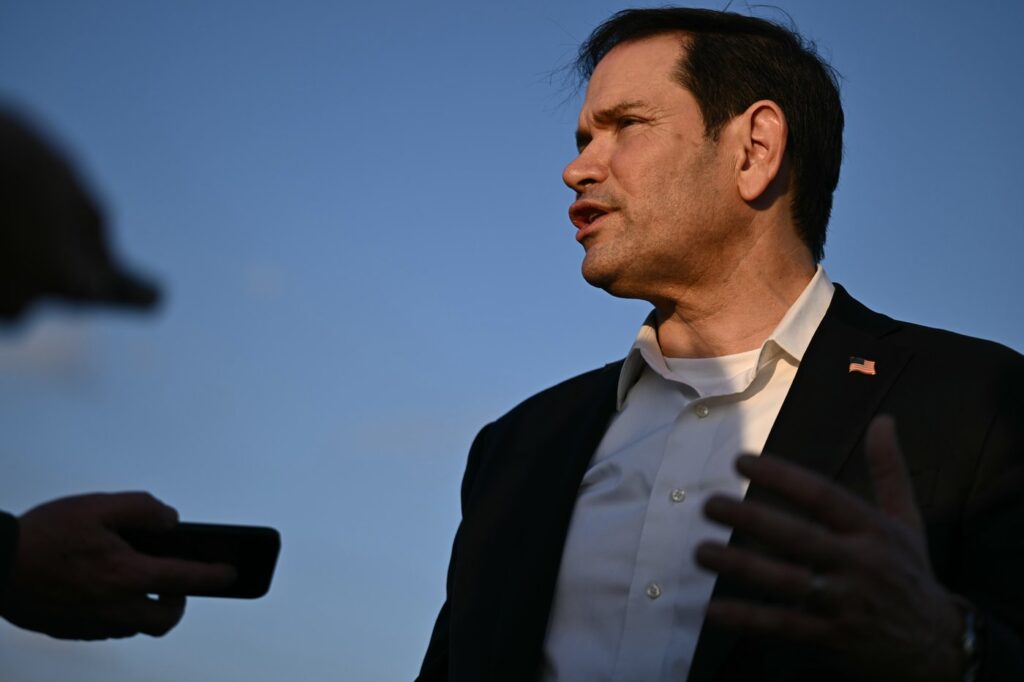
HOMESTEAD AIR RESERVE BASE, Fla. — Secretary of State Marco Rubio stated on Sunday that President Donald Trump initiated the war against Iran to address the nation’s nuclear threats, despite its unpopularity. Rubio emphasized that taking action against such serious issues is essential for national security, even if it does not garner public support.
He refrained from directly addressing the recent Republican losses in the elections, which were interpreted as a significant rejection of Trump’s policies, including the ongoing war in Iran. The dissatisfaction surrounding the conflict reportedly influenced voters, particularly regarding rising gasoline prices and other economic factors, contributing to the Democrats' control of Congress.
When asked about Vice President JD Vance's recent social media post, which largely attributed the electoral defeat to the war, Rubio defended Trump’s actions. He remarked that Trump had recognized an important threat posed by Iran and had taken steps to prevent the nation from acquiring nuclear weapons. “Even though sometimes the right thing isn’t popular, it’s necessary,” Rubio said while attending a Group of 7 foreign ministers meeting in Paris.
Despite a significant portion of the electorate attributing their economic difficulties, including higher energy costs influenced by the conflict, to Trump’s policies, Rubio described the war as a necessary endeavor. He acknowledged that disruptions in the Strait of Hormuz, a vital waterway for global oil transportation, were exacerbated by the conflict.
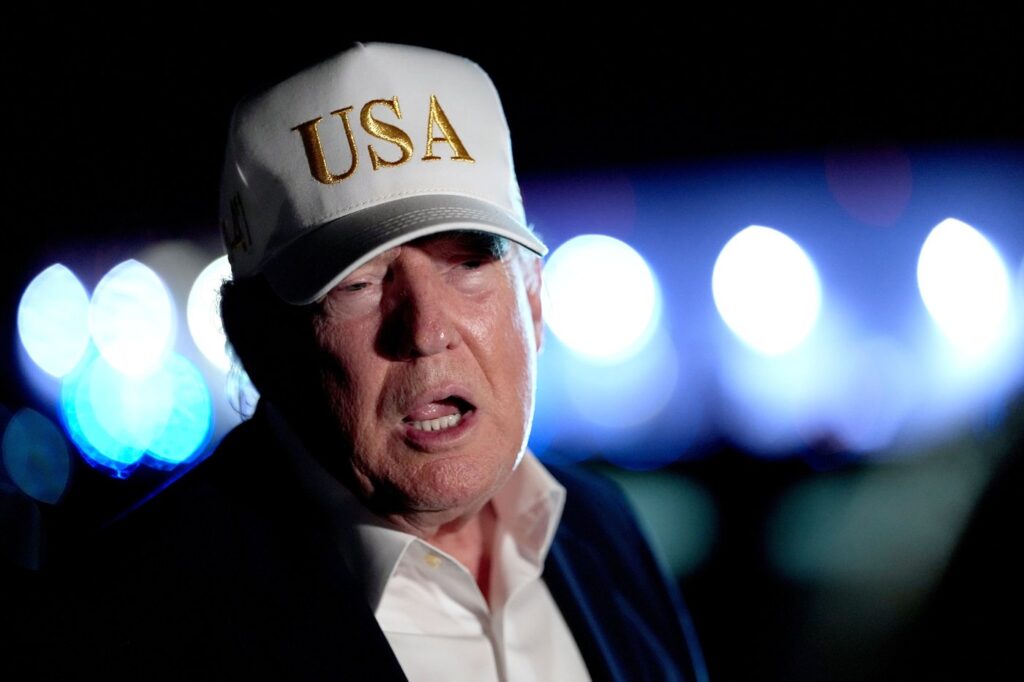
Rubio and Vance appeared to express conflicting views about the war, with Rubio maintaining a more supportive stance towards Trump’s military actions. Meanwhile, Trump noted in a "60 Minutes" interview that while he agreed with Vance’s perspective on the election losses linked to the war, he believed Vance should also have defended the decision to engage in the conflict. Trump asserted that if given the chance to revisit his geopolitical decisions, he would still characterize the war as one of the “best things” done in history, citing a potential nuclear threat from Iran.
Iran has continually asserted that its nuclear program is intended for peaceful purposes. However, according to the International Atomic Energy Agency, Iran possesses over 440 kilograms (972 pounds) of uranium enriched up to 60% purity, approaching the weapons-grade threshold. When questioned by reporters regarding a potential escalation of the war following the elections, Trump indicated there was no intention to intensify military actions at this time.
Rumors of renewed discussions between Iran and the United States have emerged, yet there is no clear strategy from the administration for de-escalation. Rubio conveyed skepticism regarding imminent diplomatic breakthroughs, explaining that current Iranian demands were both unrealistic and unacceptable.
On the diplomatic front, Trump is scheduled to meet with Qatari Prime Minister Sheikh Mohammed bin Abdulrahman Al Thani at the White House, as mediators strive to bridge differences regarding Iran’s nuclear ambitions. Reports indicated that Iran was examining proposals from Qatar regarding nuclear negotiations but remains steadfast on several core demands for any ceasefire agreement, including lifting sanctions and halting U.S. naval operations in Iranian waters.
While Rubio remains cautious about the likelihood of diplomatic progress, Trump expressed optimism, suggesting that ongoing negotiations might alleviate the need for further military action. Nonetheless, he acknowledged that if hostilities resumed, the U.S. had already pinpointed strategic infrastructure targets within Iran.
In recent weeks, the U.S. military has conducted limited strikes in response to threats, retaliating against Iranian air defenses and action against commercial vessels attempting to breach the naval blockade. Rubio noted that the U.S. would assert its right to self-defense if there were clear threats to its shipping interests or forces in the region.