Project South has revealed serious allegations involving bribery, conspiracy to commit murder, and drug trafficking, all linked to the alleged misuse of police databases. It is suggested that police officers have been accessing classified information which was subsequently provided to criminals, leading to violent crimes such as shootings.
The outcome of Project South has been significant, resulting in the arrest of seven Toronto police officers and one retired officer. This scandal has brought the issue of police corruption to the forefront of public discussion.
In the aftermath of these revelations, the Toronto Police Service (TPS) has established two new teams focused on anti-corruption, enforcement, accountability, and compliance. One team is responsible for conducting unannounced inspections of various police divisions and units, with the aim of enhancing oversight and transparency within the department.
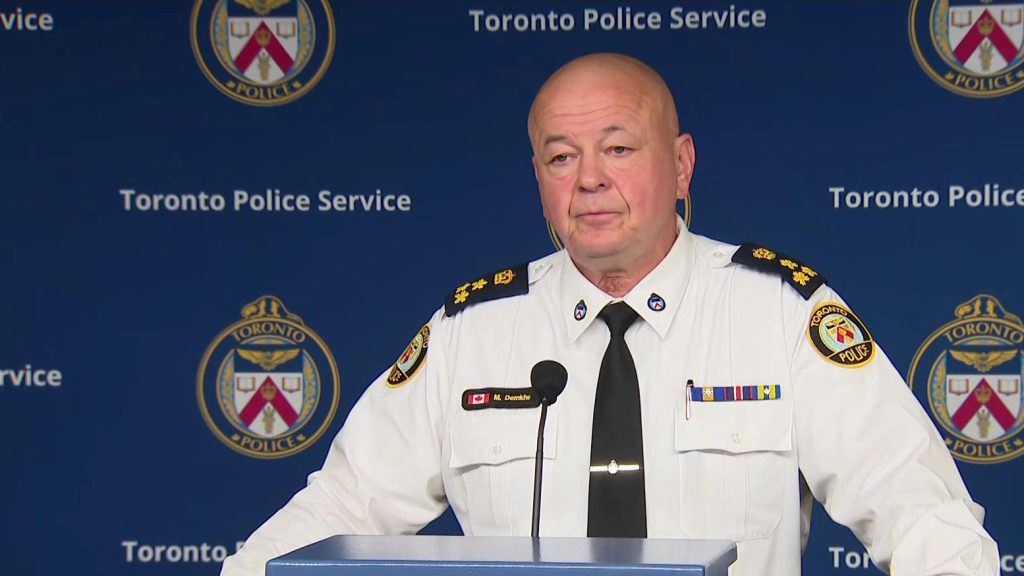
During a recent meeting, Toronto Police Chief Myron Demkiw emphasized the importance of these internal inspections and the increased personnel dedicated to identifying and investigating potential corruption within the police force. He highlighted that province-wide inspections of all police services in Ontario are currently underway, with documents and disclosures already being shared with the inspector general of policing.
These inspections are expected to generate reports that will be reviewed by the inspector general, who will then issue legal findings, recommendations, or directions based on the findings. Acknowledging the need for better monitoring of access to sensitive police information, it was noted that some of the necessary safeguards are still under development, and much of the anti-corruption work spearheaded by Chief Demkiw remains in progress.
Jack Gemmel, a lawyer and police critic with the Law Union of Ontario, argues that the allegations stemming from Project South necessitate a comprehensive and independent investigation. His organization is advocating for an external police service to examine whether the corruption may extend beyond the seven active officers and the retired constable already implicated in the case.
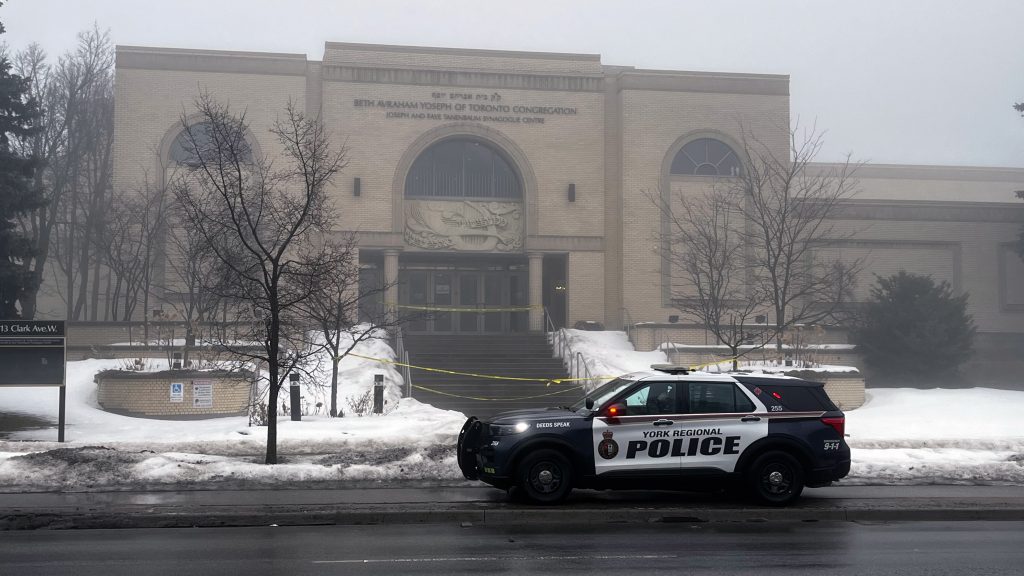
Gemmel posed critical questions regarding the scope of the corruption within the police force, asking why the Toronto Police Service and their Professional Standards Bureau were unable to detect these issues earlier. He pointed out that it was the York Regional Police, through an unrelated investigation, that brought the corruption to light.
Furthermore, Gemmel expressed concerns that Chief Demkiw might be more focused on protecting the reputation of the police force rather than thoroughly addressing corruption. He criticized the province-wide police inspection as being too broad to effectively uncover deeper issues specific to Toronto.
According to TPS, over 20 internal inspections have already been conducted, yet it remains unclear whether any significant problems have been identified or if any officers or supervisors have faced repercussions as a result of these inspections. This lack of transparency raises further questions about the integrity and accountability measures within the Toronto Police Service.