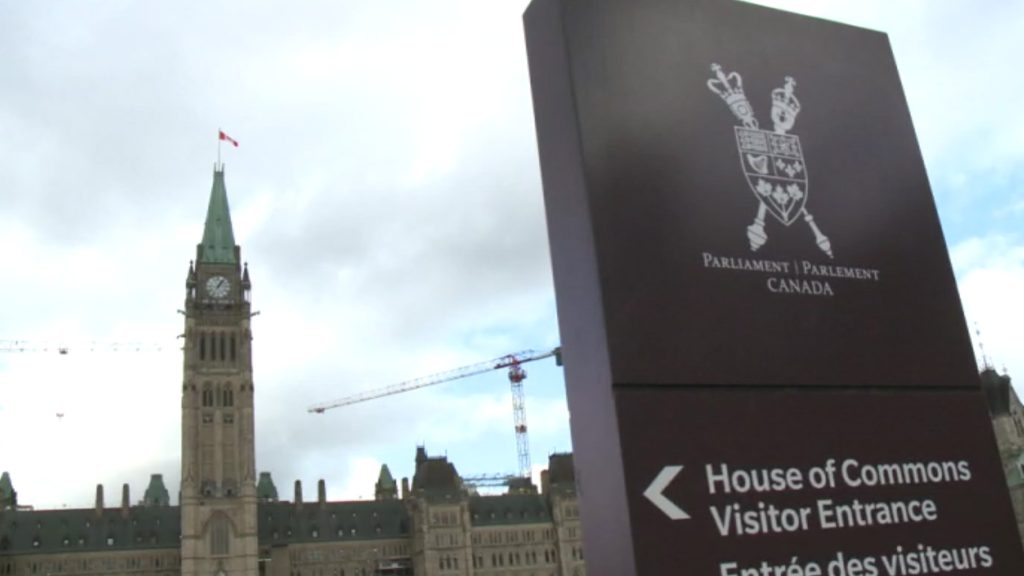


The Supreme Court of Canada has decided not to hear an appeal regarding the enforcement of British Columbia's foreign buyer tax in a case involving a joint real estate purchase between a Canadian citizen and a foreign national. The couple, who purchased an apartment in Richmond, B.C., found themselves at the center of a legal dispute concerning the tax implications of their ownership arrangement.
The case revolved around a couple who bought an apartment in Richmond, with 95 percent of the property registered in the name of the Canadian woman, Chia-Wen Hsia, while only five percent was under the name of her foreign partner, Li-Yuan Chuang. Despite this registration, it was revealed that Chuang had actually contributed 40 percent of the total purchase price. Hsia explained that this discrepancy stemmed from a traditional Chinese custom, where the husband pays a "bride price" by purchasing a home for his wife.
Initially engaged in 2014, the couple acquired the property under a presale contract and paid the foreign buyer tax based solely on the five percent ownership attributed to Chuang. However, an audit by the B.C. government later indicated that the tax should apply to the fair market value of the entire property, leading to a tax liability significantly greater than what they had initially accounted for.
The British Columbia government emphasized that the regulations governing the foreign buyer tax aim to prevent tax avoidance tactics employed by foreign investors, particularly those who maintain beneficial interests through indirect ownership structures. The couple criticized the imposition of the tax on the full property value, claiming it was “profoundly unfair.” However, the B.C. Court of Appeal ultimately found that the couple could have circumvented the tax on the entire property value by accurately reflecting their contributions in the ownership registration.
The appellate court’s ruling, issued earlier this year, highlighted that while Chuang contributed a substantial 40 percent of the property's purchase price—valued at $474,500 at the time—the official records did not reflect this reality. Hsia reiterated the cultural significance of the "bride price," stating that, due to their financial circumstances, Chuang could only afford to pay a portion of the purchase price.
In 2024, the B.C. Supreme Court initially dismissed the couple's challenge to the tax, reiterating that the tax assessment was valid given the ownership structure created by the couple. The property’s value has since climbed, with the current assessed value of the two-bedroom apartment in the Avanti Richmond complex now pegged at $820,000. According to the B.C. Supreme Court's ruling, the couple faced an additional tax liability exceeding $126,000 due to the foreign buyer tax, which is set at 20 percent of the market value.
The couple’s lawyer, Massao Morinaga, indicated that they had no comments on the Supreme Court’s refusal to hear the appeal, referring to the decision as the end of their judicial journey. He pointed out that the existing legislation surrounding the foreign buyer tax could indeed result in unbalanced situations, affecting individuals like his clients who find themselves entangled in complex legal and financial frameworks concerning property ownership.