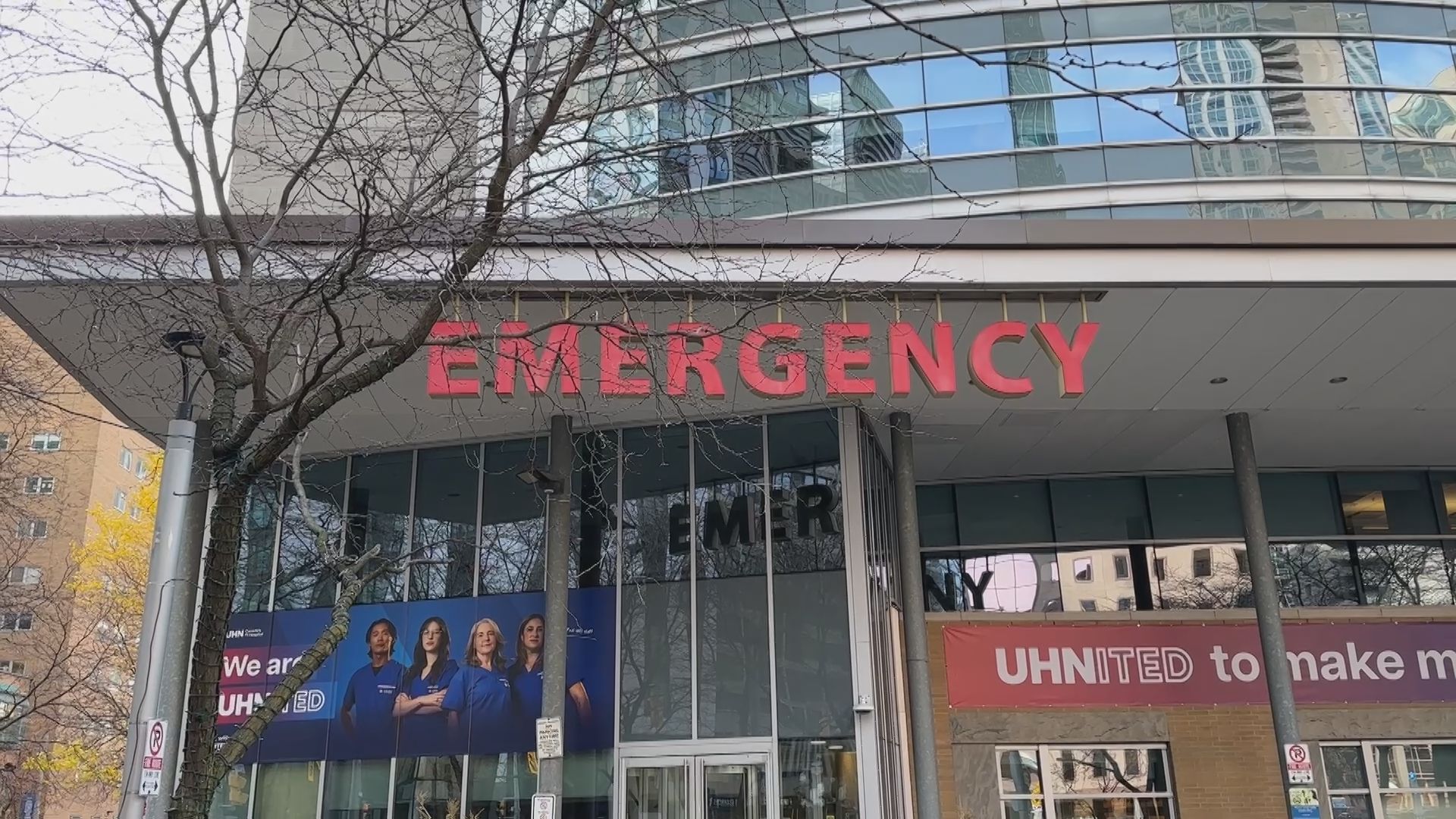
An emergency room physician in Toronto, Dr. Raghu Venugopal, has raised significant concerns regarding the capacity of emergency rooms (ERs) in the city. He described the current volume of patients as "insane, out-of-control, explosive, never seen before, [and] record-breaking." Dr. Venugopal, with 19 years of experience in emergency medicine, stressed that any ER doctor would concur with his concerns about the situation.
According to Dr. Venugopal, a primary issue is that many individuals lack access to timely medical treatment. He pointed out that whether it's a five-year-old suffering from a fever or an 85-year-old parent with the same ailment, there are insufficient options for patients to receive care. "They can’t get an appointment for three weeks," he explained to CityNews, indicating that many patients aren't necessarily without a family doctor; they simply can't access care in a timely manner.
Describing his overnight shifts, Dr. Venugopal characterized the experience as "demoralizing." He articulated the sinking feeling that can arise for medical professionals when they arrive to find that they will need to treat between 50 to 100 patients in a single shift. "How am I going to make an impact on that?" he reflected, emphasizing the need for ER doctors to focus on doing their best under challenging circumstances.
Despite the hospitals' capabilities to bring in more medical staff, Dr. Venugopal warned that these measures cannot fully address the overwhelming demand. Official statistics from the Ontario Ministry of Health indicated the average wait time to see an ER doctor in Ontario ranges from 1.7 to 2 hours, though Dr. Venugopal asserted that this figure does not accurately represent the variability in actual wait times. He noted that as of Thursday morning, wait times were reported at nearly seven hours for Toronto General Hospital, five hours and 42 minutes for Toronto Western Hospital, and three hours and 47 minutes for Sunnybrook Health Sciences Centre.
By the afternoon, Sunnybrook's wait time escalated to six hours and 55 minutes, while Toronto General and Toronto Western's wait times were around three and a half hours. North York General Hospital, while not providing real-time updates, also indicated on its website that patients should expect longer-than-normal wait times.
Dr. Venugopal stated that during his shifts, he often witnesses patients waiting upwards of eight to ten hours just to see a doctor. Furthermore, this initial wait time often leads to additional hours in the hospital for scans, tests, and treatment, culminating in total hospital time that can exceed 15 hours.
“We just don’t have enough doctors, we don’t have enough support services like radiology, we don’t have enough nurses and we don’t have enough beds,” Dr. Venugopal lamented. He highlighted that many of Toronto's hospitals are already at full capacity ahead of the upcoming respiratory season, suggesting that conditions will likely worsen. Although he acknowledged the strengths of the Canadian health care system, he insisted that it is not equipped to meet the growing needs of the population.
To alleviate the crisis, he called for an increase in hospital and long-term health care capacity to create space in ERs for new patients. "We need more boots on the ground; we need more doctors, we need more nurses,” he pleaded, proposing that surge funding be allocated to ensure sufficient staffing levels.
Dr. Venugopal did commend Ontario's current government, led by Premier Doug Ford, for introducing 3,000 new beds, with plans to add another 3,000. However, he emphasized that the efforts are falling short of meeting the demands posed by the province's increasingly complex healthcare needs, including an aging population and a growing number of patients with medical complexities.
The Ontario Hospital Association has advocated for $2.7 billion in funding aimed at stabilizing the healthcare system. Dr. Venugopal stressed the importance of political will to allocate the necessary resources to hospitals. He clarified that patients should not feel discouraged from visiting the ER, stating that "patients and their families define an emergency,” and that the ER serves as a critical safety net for everyone in need of urgent care.
Lastly, Dr. Venugopal advised the public to receive their flu and COVID-19 vaccinations to mitigate the risk of severe illness as respiratory illnesses peak during the season in Ontario.