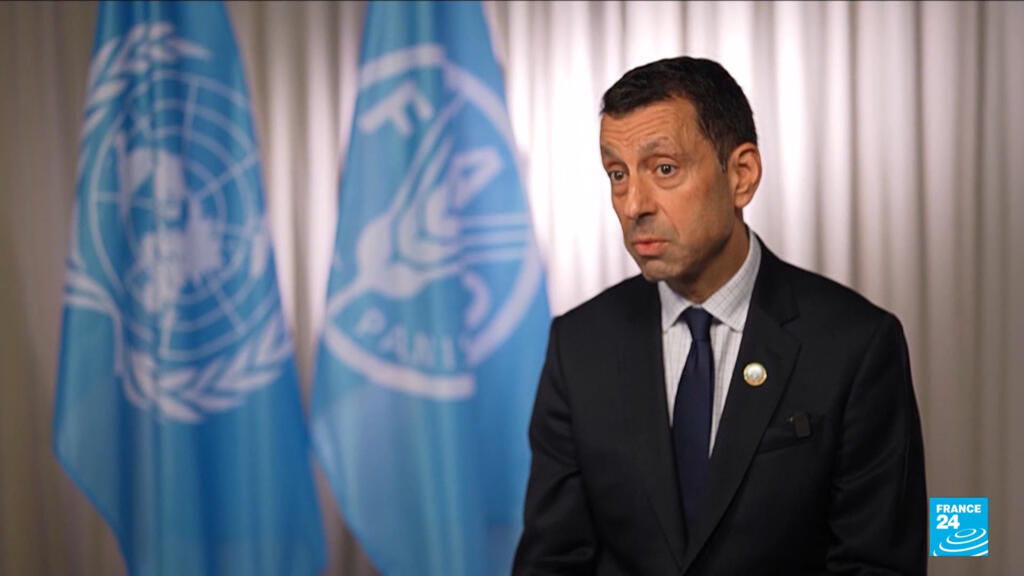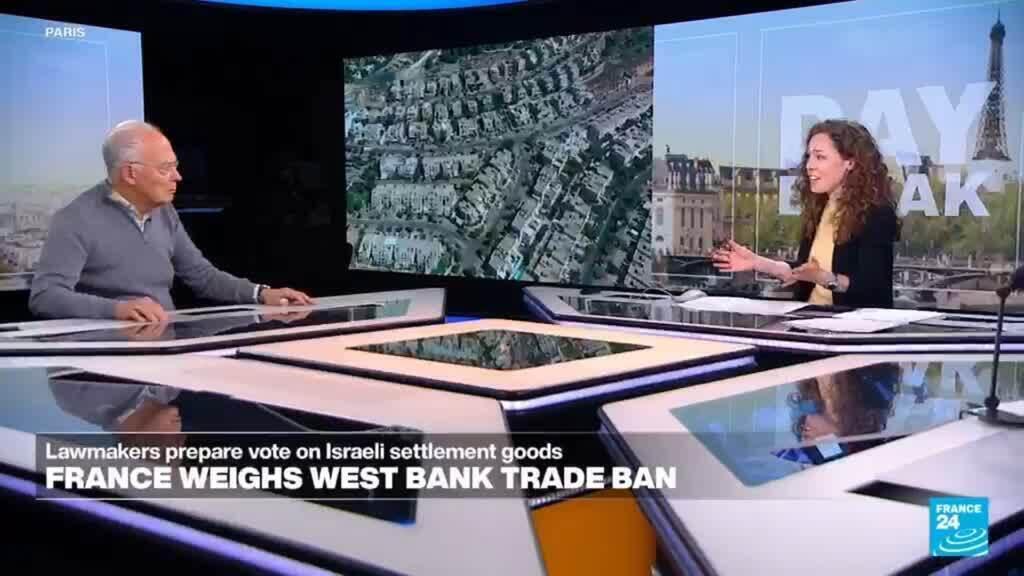
France is contemplating new legislation aimed at restricting trade with Israeli settlements located in the occupied Palestinian territories, specifically in the West Bank. This move has sparked extensive discussions regarding the implications of such measures on both local economies and the broader international relations landscape. Ivar Ekeland, Professor Emeritus at Paris Dauphine-PSL University and Chair of the Organization of Academics for the Respect of International Law in Palestine, weighs in on this topic during a conversation with Alison Sargent.
Ekeland emphasizes the necessity for the French government to implement restrictions that extend beyond just goods. He advocates for encompassing services as well, which includes critical sectors like financial services, insurance, and tourism. Ekeland posits that the sustainability and expansion of these Israeli settlements are heavily reliant on a network of financial backing and support, making it imperative that such services are also subjected to restrictions.
According to Ekeland, the existence and growth of larger settlements are significantly supported by various financial entities. These entities not only provide the necessary funds but also facilitate insurance and tourism activities that contribute to the settlements' viability. He contends that by limiting trade and services, France could play a crucial role in undermining the framework that allows these settlements to thrive.
The proposed legislation reflects a growing sentiment among European nations to take a firmer stance on the issue of Israeli settlements in the occupied territories, which are widely considered illegal under international law. Ekeland reiterates the importance of this step as a means to uphold international regulations and to show solidarity with Palestinian rights. He underscores that, without comprehensive measures targeting both goods and services, any attempts to curtail the operations of settlements may prove ineffective.
This discussion brings to light the broader implications of trade policies and their potential impact on international diplomacy and human rights advocacy. Ekeland's perspective amplifies the call for a more holistic approach when considering the economic dynamics surrounding the Israeli-Palestinian conflict.
In summary, the considerations for France's potential legislation are not merely confined to commercial transactions but encompass a wider array of services that are intertwined with the existence of Israeli settlements. The conversation highlights the necessity for a coherent strategy that addresses both economic and legal dimensions of the issue, underscoring the role of international actors in advocating for a just resolution to the ongoing conflict.