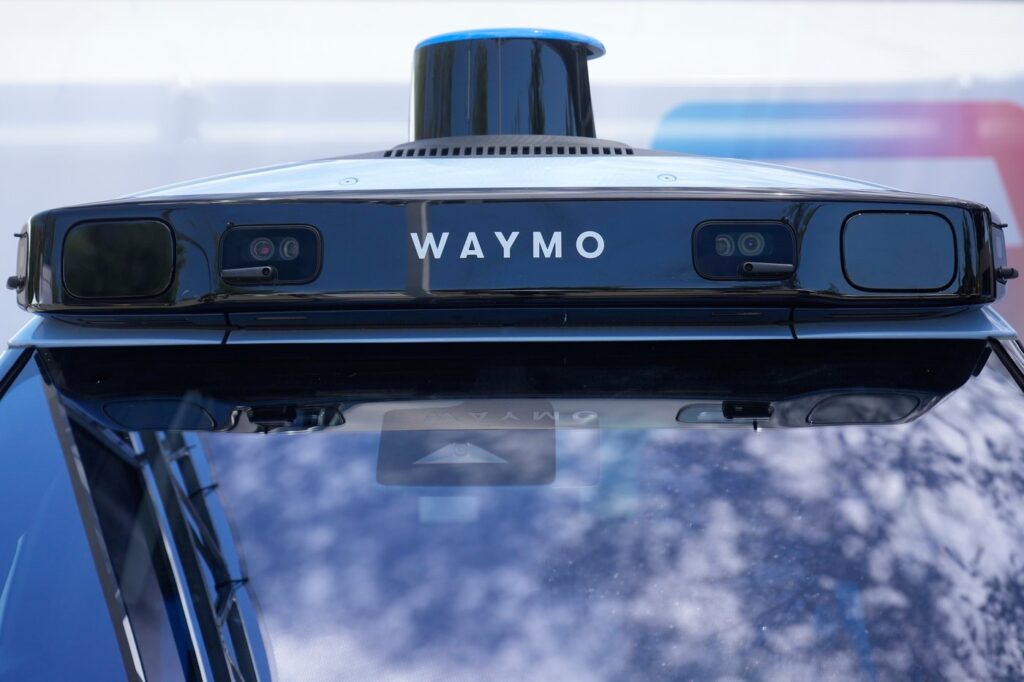
Waymo has suspended its driverless taxi rides on freeways after the California Department of Motor Vehicles (DMV) issued a ban following recent traffic incidents involving its vehicles. This ban comes amidst increasing concerns about the safety of driverless operations in freeway environments and was officially implemented on the same day as the incidents.
The company, known for its autonomous driving technology, previously allowed riders to hail robotaxis for freeway rides in several metropolitan areas, including the San Francisco Bay Area, Los Angeles, Phoenix, Miami, and Austin. Furthermore, Waymo continues to provide rides on city streets in various other locales, such as Las Vegas, Dallas, and Denver, although the freeway operations have now been put on hold.
A spokesperson for Waymo confirmed via email that the company has "temporarily restricted commercial freeway rides in all markets where we operate that service." However, the spokesperson also noted that freeway testing is still ongoing, albeit with trained autonomous specialists behind the wheel. The exact duration of this suspension has not been disclosed.
This restriction was enforced following two significant incidents involving Waymo vehicles. One incident on November 5 saw three of the company's driverless cars enter a construction zone, a situation that prompted DMV spokesperson Jonathan Groveman to remark that the vehicles posed "an imminent hazard to public safety." This was further intensified by a second incident occurring the following day, where a Waymo vehicle attempted to bypass California Highway Patrol vehicles involved in a traffic break on a highway in San Francisco.
The events, particularly the second incident, gained significant attention on social media platforms, showcasing the risks associated with Waymo's driverless operations. Groveman stressed that the incidents raised serious concerns due to recurring problems with the company's vehicles encroaching upon active construction zones, which are often dangerous environments due to the presence of construction workers, vehicles, and equipment.
Officials highlighted that similar safety concerns emerged as early as May 18, indicating a pattern of operational issues that have led to these recent restrictions. In response to the DMV's actions, Waymo insisted that the recent freeway construction zone encounters on U.S. 101 did not entail any injuries or collisions, framing the situation in a less severe light.
The California DMV's current restrictions mean that Waymo is barred from both operating and testing its driverless vehicles on California freeways until the company can demonstrate that it has implemented effective corrective measures to address the safety concerns raised. The DMV spokesperson conveyed that operations would remain suspended until Waymo satisfactorily resolves the deficiencies noted in the incidents.
This incident marks a significant step in the ongoing discourse around the safety and regulation of autonomous vehicles on public roads, particularly in high-stakes environments like freeways where pedestrian safety can be critically compromised. As Waymo moves forward, the company will likely face increased scrutiny from regulators and the public regarding their safety protocols and operational practices.