Vanuatu's Environment Minister Calls for Reform in UN Climate Summit Process
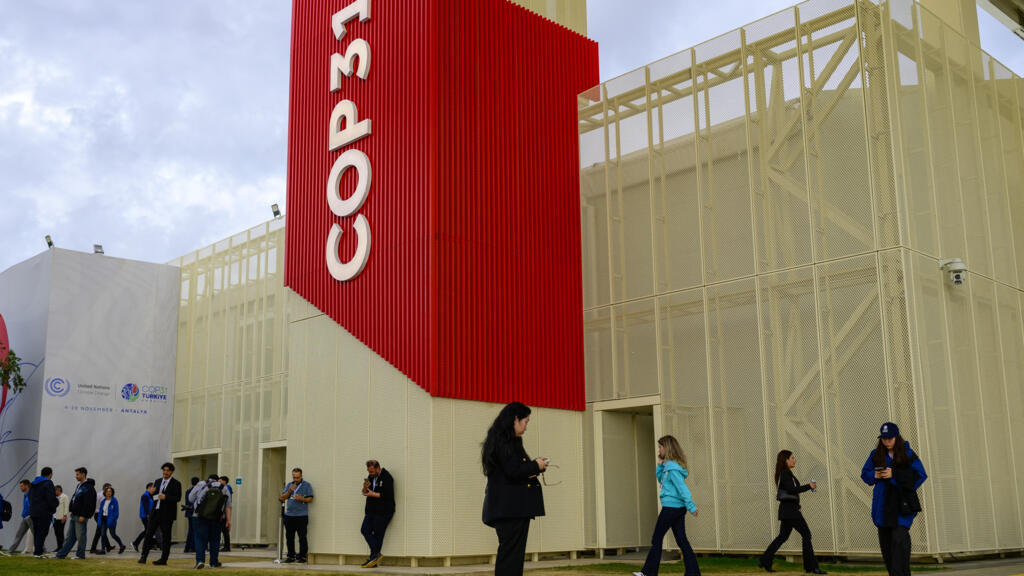
Ralph Regenvanu, the Environment Minister of Vanuatu, has recently expressed significant concerns regarding the direction of the United Nations climate summit process. As the world prepares for COP31, which is scheduled to take place in 2026, Regenvanu has accused a small group of countries of hindering meaningful progress in international climate negotiations. His remarks highlight the urgency for reforms in the climate summit framework to ensure that past commitments are not only reaffirmed but actively pursued.
Regenvanu emphasized that the current dynamics within the UN climate summit process risk undermining the global efforts to combat climate change. He pointed out that decision-making often falls into the hands of a few powerful nations, which can lead to stagnation and a lack of actionable commitments. This concentration of power, according to Regenvanu, is counterproductive and jeopardizes the achievements made in previous conferences, as countries grappling with the direct impacts of climate change face increasing pressure to adapt and mitigate its effects.
At the core of Regenvanu's argument is the observation that major emitters and industrialized nations have not been transparent or cooperative enough in sharing their climate action plans. He noted that many of these countries continue to prioritize their economic interests over environmental commitments, which contributes to the ongoing climate crisis affecting vulnerable countries like Vanuatu. The Pacific island nation has been one of the frontline victims of climate change, experiencing rising sea levels, severe weather events, and environmental degradation that threaten its very existence.
Moreover, Regenvanu called for a more inclusive approach to climate negotiations, one that would empower smaller nations and provide a platform for their voices to be heard. He argued that the participation of vulnerable states in discussions is crucial, not only for their own survival but also for the integrity of global climate efforts. By enabling a more participatory approach, the UN climate summit process could become more balanced and effective, facilitating collaboration rather than division among countries.
The Environment Minister’s passionate plea comes at a time when the world is at a critical juncture in terms of environmental policy. The repercussions of the ongoing climate emergency necessitate swift and decisive action, which Regenvanu believes is being impeded by the current operational framework of the UN climate summits. He insists that COP31 should serve as a turning point, a moment for re-evaluation and renewed commitment toward collective climate goals.
In conclusion, Vanuatu's Environment Minister Ralph Regenvanu has called for significant reforms within the UN climate summit process. His urgent appeal highlights the challenges posed by a handful of dominant nations that impede progress and threaten previously established commitments. As the world gears up for COP31, it is essential for all countries, particularly those most affected by climate change, to work collaboratively towards effective solutions that prioritize global sustainability over individual national interests.