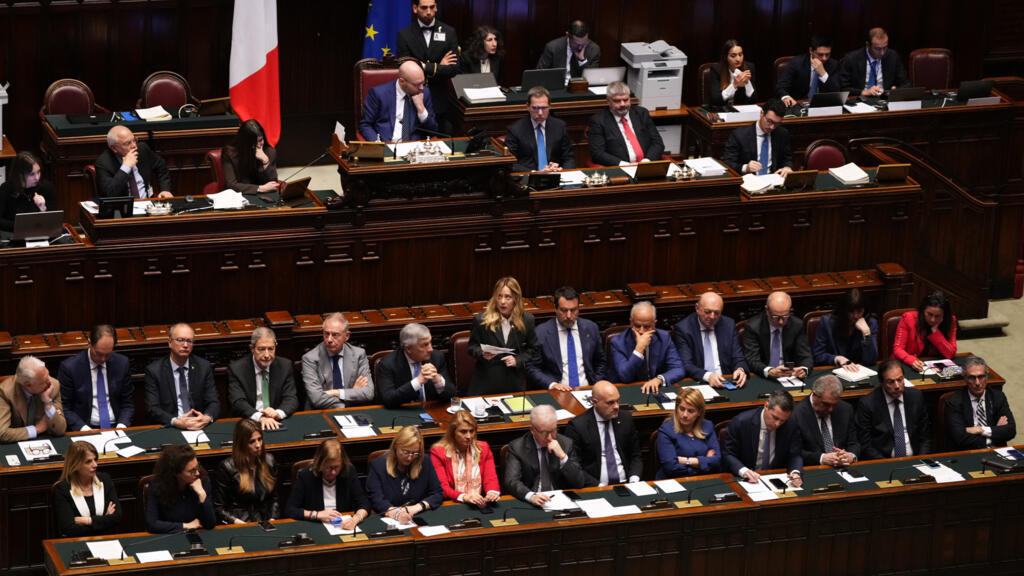
Italy's Parliament Approves Bill Against Anti-Semitism
On a recent Tuesday, Italy's parliament took a significant step in addressing anti-Semitism by approving a new bill aimed at combating hate against Jewish communities. This legislation includes provisions that list certain forms of criticism directed at Israel as examples of anti-Semitic behavior. The decision, however, has ignited a debate concerning the potential implications for freedom of expression and advocacy, particularly regarding Palestinian rights.
The newly enacted law outlines specific expressions and actions that could be categorized as anti-Semitic. Among these are various criticisms of the Israeli government and its policies, which some lawmakers argue could inadvertently suppress legitimate dialogue about Israel's actions and their implications for the Palestinian people. Critics have raised concerns that the bill may create a chilling effect, deterring individuals and organizations from openly discussing or critiquing Israeli policies due to fear of being labeled as anti-Semitic.
Supporters of the bill argue that it is essential to protect Jewish communities from hate speech and discrimination. They assert that while critical discussion about Israel and its government should be permitted, crossing certain lines into hate speech or delegitimization of the Jewish state is unacceptable. The aim, they claim, is to foster a societal atmosphere that is intolerant of anti-Semitism while still allowing for constructive criticism and debate surrounding the Israeli-Palestinian conflict.
It is important to note that the legislation does not impose any financial penalties or criminal sanctions on individuals found to be in violation of its provisions. Instead, the focus is largely on creating awareness and fostering education about anti-Semitism in Italy. This aspect of the law is seen as a means to promote understanding and dialogue, rather than punitive measures that could stifle conversation on sensitive topics.
The passage of the bill has sparked reactions from various factions within Italy. Human rights advocates, particularly those supporting Palestinian rights, have voiced their apprehensions about the implications of the law. They argue that it could marginalize voices advocating for Palestinian causes, hindering the ability to participate in healthy discourse about ongoing conflicts in the region. Some critics have also expressed concerns over the subjective nature of determining what constitutes anti-Semitic speech in relation to criticism of Israel.
In the broader European context, Italy's move reflects a growing trend among countries to adopt stricter measures against anti-Semitism. This surge in legislative action points to a mounting concern about rising anti-Semitic incidents across Europe, prompting governments to take a more proactive stance. However, the balance between curbing hate speech and maintaining a space for legitimate discourse remains a contentious issue, with various countries grappling with similar challenges in their legislative frameworks.
Ultimately, Italy's decision to approve this bill may set a precedent regarding how nations confront anti-Semitism while navigating the complexities of free speech and advocacy. With ongoing debates about the boundaries of acceptable criticism and the safeguarding of minority rights, this law will undoubtedly be a focal point for discourse both within Italy and in international discussions on human rights and freedom of expression.